



Iron and Oxygen Transport
Iron is a crucial mineral necessary for oxygen transport in the body.
Boosting iron absorption is key for preventing anemia and maintaining energy levels.
Anemia can lead to fatigue, weakness, and impaired cognitive function.
Factors Affecting Iron Absorption
Iron absorption can be influenced by dietary factors and individual health conditions.
Vitamin C enhances iron absorption, while calcium and caffeine inhibit it.
Iron from animal sources is absorbed better than iron from plant sources.
Strategies to Enhance Iron Absorption
Pair iron rich foods with vitamin C sources such as citrus or bell peppers.
Avoid consuming calcium rich foods or supplements with iron rich meals.
Cooking in cast iron cookware can increase the iron content of foods.
Include fermented foods or probiotics to promote better iron absorption.
Limit coffee and tea consumption because they can hinder iron absorption.
Implement these strategies and mind dietary choices to support health and well being.
Consume iron-rich foods
Eating iron-rich foods helps maintain healthy iron levels.
Additionally, include a variety of animal and plant sources in your meals.
Use fortified products to increase your daily iron conveniently.
Unlock the Power of Nigerian Food Minerals
Discover personalized Food Advisory tailored to boost your health or business using expert insights on Nigerian minerals.
Get Started- Red meat such as beef, lamb, and pork provides heme iron.
- Poultry like chicken and turkey provide heme iron.
- Fish such as tuna, salmon, and shellfish contain heme iron.
- Beans including lentils, chickpeas, and kidney beans supply non-heme iron.
- Fortified cereals offer added iron and increase daily intake.
Types of dietary iron
Dietary iron occurs in two main forms.
These forms differ in how the body absorbs them.
Refer to the list below for each type and its characteristics.
- Heme iron occurs in animal-based foods and is more easily absorbed by the body.
- Non-heme iron exists in plant-based foods and is not as readily absorbed.
Incorporate a variety of iron-rich foods into meals.
This approach helps support iron intake and prevent deficiency.
Include Vitamin C in Meals
Vitamin C helps increase iron absorption in the body.
It converts non-heme iron into a form intestines absorb more easily.
Including vitamin C foods with plant sources improves iron uptake.
- Discuss how vitamin C helps increase iron absorption in the body.
- Advise on incorporating fruits like oranges, strawberries, and bell peppers into meals.
By including vitamin C foods in meals, you improve absorption from plant sources.
Fruits such as oranges, strawberries, and bell peppers boost vitamin C intake.
Oranges are a refreshing and delicious snack.
They also serve as a great source of vitamin C.
Add a glass of fresh orange juice to breakfast to boost absorption.
Include sliced oranges in salads to increase iron absorption.
Captivate Your Audience with Exclusive Nigerian Food Content
Imagine your platform enriched with unique, mineral-rich Nigerian cuisine stories that no one else can offer. Let's create content that resonates deeply and sets you apart.
Get StartedStrawberries provide vitamin C and pair well with yogurt or oatmeal.
Enjoy them on their own or add them to yogurt or oatmeal.
Blend strawberries into a smoothie for a tasty and nutritious boost.
Bell peppers, particularly red ones, are rich in vitamin C.
Add them to stir-fries, salads, sandwiches, or wraps.
Ensure meals combine vitamin C with iron sources to enhance absorption.
Discover More: Secrets to Better Mineral Absorption from Local Foods
Calcium and Iron Food Interactions
Calcium-rich foods can hinder iron absorption.
They reduce absorption by competing for intestinal sites.
Therefore, this interaction occurs mainly in the small intestine.
How Calcium Inhibits Iron Absorption
Calcium interferes with non-heme iron absorption.
For example, it affects plant-based foods like spinach and lentils.
Additionally, calcium can form insoluble complexes with iron in the gut.
- Calcium interferes with absorption of non-heme iron found in spinach and lentils.
- Calcium competes with iron for intestinal binding sites and reduces iron absorption.
- High calcium levels can form insoluble complexes with iron and prevent absorption.
Suggested Alternatives for Calcium Sources
Include calcium-rich foods in meals separate from iron-rich foods.
Choose lower-calcium options like almond milk or fortified cereals.
Consider taking calcium supplements at a different time of day.
- Include calcium foods in meals separate from iron foods to minimize absorption competition.
- Choose lower-calcium options like almond milk or fortified cereals with iron meals.
- Take calcium supplements at a different time than iron-rich meals to avoid interference.
Be mindful of how and when you consume calcium-rich foods.
This practice can help optimize iron absorption in your body.
Uncover the Details: Essential Tips for Better Absorption of Vitamins and Minerals
Cooking Techniques to Enhance Iron Absorption
One effective cooking method to increase iron absorption is by cooking in cast-iron pots.
This can significantly boost the iron content in food as some of the iron leaches into the food during cooking.
When acidic foods like tomatoes or citrus fruits cook in cast-iron pots, iron leaches more easily.
Acid increases iron solubility and enhances absorption.
Another cooking technique to consider is soaking grains and legumes before cooking them.
Soaking reduces phytates in grains and legumes.
Phytates can inhibit iron absorption.
Soak grains like quinoa, brown rice, and oats overnight to reduce phytates.
This process makes iron more bioavailable for absorption.
Similarly, soak legumes such as lentils, beans, and chickpeas before cooking.
This reduces phytates and improves iron absorption.
Soak grains and legumes in water for at least six to eight hours.
This practice helps maximize iron absorption and nutrient uptake.
Include vitamin C rich foods like bell peppers, broccoli, and citrus fruits.
Pair these with iron rich foods to enhance absorption when you eat them.
Vitamin C helps convert non heme iron in plant foods.
This conversion makes iron more readily absorbed by the body.
It helps meet daily iron requirements.
Using these methods and pairing iron rich foods with vitamin C sources enhances iron absorption.
This practice supports better iron levels in the body.
Discover More: Maximizing Nutrient Absorption with Traditional Foods
Benefits and Guidance for Iron Supplements
Iron supplements can be beneficial in certain situations.
Some people cannot meet iron needs through diet alone.
- Pregnant women often require additional iron to support fetal growth and prevent anemia.
- Women of childbearing age, especially those with heavy menstrual bleeding, may need extra iron.
- Individuals with chronic conditions like kidney disease or gastrointestinal disorders may have impaired iron absorption.
Before starting iron supplements, consult a healthcare provider.
Additionally, they will determine appropriate dosage and safety for your needs.
Without proper guidance, you risk taking too much iron.
Excess iron can cause toxicity and harm health.
A healthcare provider can help address underlying issues causing low iron.
Furthermore, they can recommend the best course of action.
See Related Content: Top Foods to Boost Mineral Absorption in Your Diet
Be Mindful of Medications That Affect Iron Absorption
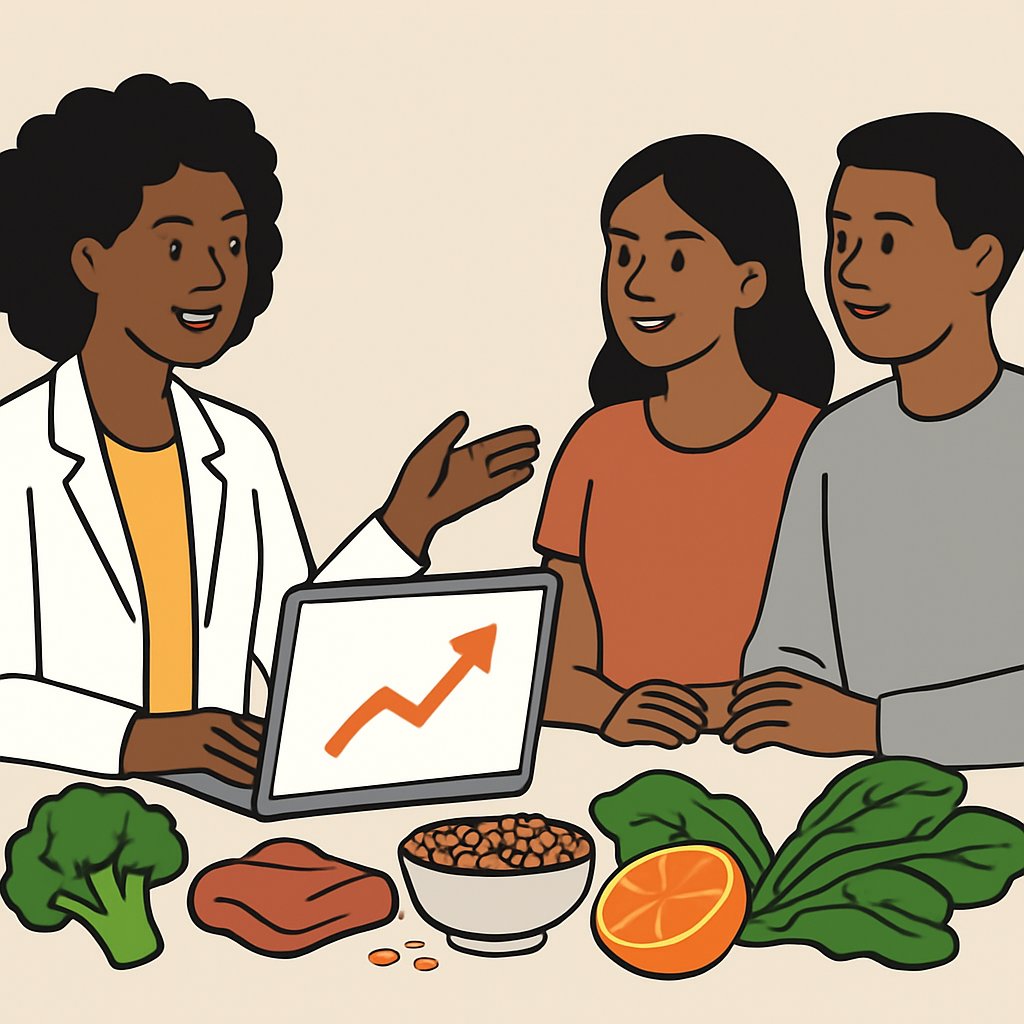
Medications can reduce how well your body absorbs iron.
Antacids and proton pump inhibitors lower stomach acidity and limit iron uptake.
Also certain supplements and drugs can interact with iron in the gut.
Talk with your healthcare provider about coordinating medication timing.
Below are common medications that may interfere with iron absorption.
- Antacids reduce stomach acidity required for iron absorption.
- Proton pump inhibitors lower acid and hinder iron uptake.
- Calcium supplements can inhibit iron when taken simultaneously.
- Non-steroidal anti-inflammatory drugs can irritate the gut and affect absorption.
- Some cholesterol-lowering medications may interfere with iron uptake.
Follow these practical tips to improve iron absorption while on medications.
- Take iron supplements at least two hours before or four hours after other medications.
- Consult your doctor to adjust medication schedules for better iron absorption.
- Regularly monitor iron levels to ensure they remain within recommended ranges.
- Consider alternative medications or formulations that do not interfere with absorption.
Be mindful of medications and manage timing to support iron absorption.
Proper scheduling helps your body obtain the iron it needs.
Talk with a clinician for personalized guidance and safe adjustments.
Monitor Iron Levels Regularly
Regular blood tests help monitor iron levels.
These tests show trends over time and reveal reductions early.
Discuss testing frequency with your healthcare provider.
- Emphasize the importance of regular blood tests to check iron levels.
- Discuss symptoms of iron deficiency and when to seek medical advice.
Common symptoms include fatigue, weakness, pale skin, shortness of breath, and dizziness.
Seek medical advice promptly if you experience these symptoms.
Early testing allows prompt intervention to address deficiencies.
Consult with your healthcare provider for personalized recommendations.
Key Strategies for Enhancing Iron Absorption
- Consume Vitamin C-rich foods such as oranges, strawberries, and bell peppers.
- Avoid drinking tea or coffee with meals as they can inhibit iron absorption.
- Include lean sources of protein like chicken, fish, and beans in your diet.
- Cook in cast iron pots and pans to increase iron content in your meals.
- Avoid consuming calcium-rich foods like dairy products at the same time as iron-rich foods.
- Consider taking iron supplements under the guidance of a healthcare professional.
- Eat iron-rich foods such as red meat, poultry, lentils, and spinach regularly.
- Limit consumption of foods high in phytates like whole grains and legumes that can block iron absorption.
- Choose fortified foods like cereals and bread to increase iron intake.
Encouragement for Optimal Iron Levels
- Make informed dietary choices to boost iron absorption and prevent deficiencies.
- Be mindful of combining foods to maximize iron absorption from your meals.
- Incorporate a variety of iron-rich foods into your diet for overall health benefits.
- Consult a nutritionist or healthcare provider for personalized recommendations.
- Stay hydrated and maintain a balanced diet rich in vitamins and minerals.
- Monitor iron levels regularly through blood tests and adjust your diet accordingly.
- Listen to your body’s signals and address any signs of iron deficiency promptly.
- Prioritize your health by making conscious decisions about what you eat.
- Lead a healthy lifestyle and prioritize getting enough iron through a balanced diet.
Additional Resources
Google search results for Effective Strategies for Enhancing Iron Absorption Mineral Absorption Tips
Bing search results for Effective Strategies for Enhancing Iron Absorption Mineral Absorption Tips


