



Introduction:
- Understanding the importance of vitamins and minerals in our diet is crucial.
- Proper absorption of these nutrients plays a vital role in maintaining overall health.
- Factors like poor diet, medication, and certain health conditions can hinder absorption.
Include a Variety of Nutrient-Rich Foods:
Consume a diverse range of fruits, vegetables, whole grains, lean proteins, and dairy products.
Consequently, this supports optimal absorption of vitamins and minerals.
Importance of Consuming a Variety of Foods:
- Different food groups provide a wide array of essential nutrients necessary for overall health.
- Each food group offers unique vitamins and minerals that support various bodily functions.
- Combining various nutrient-rich foods ensures a balanced intake of essential nutrients.
Specific Vitamins and Minerals in Different Food Groups:
- Fruits: Rich in vitamin C, potassium, and various antioxidants that boost immunity and promote skin health.
- Vegetables: Excellent sources of vitamin A, vitamin K, folate, and fiber crucial for digestion and heart health.
- Whole Grains: Provide B vitamins, iron, magnesium, and fiber important for energy production and digestive health.
- Lean Proteins: Supply ample amounts of protein, zinc, iron, and B vitamins essential for muscle growth and repair.
- Dairy Products: High in calcium, vitamin D, and phosphorus that support bone health and strengthen teeth.
Enhance Nutrient Absorption with Healthy Fats
Include healthy fats such as avocados, nuts, seeds, and olive oil.
They improve absorption of fat-soluble vitamins A, D, E, and K.
Try a salad with avocado slices, nuts, and seeds.
Dress it with olive oil to boost vitamin absorption.
Snack on a handful of almonds.
Pair it with a piece of fruit for better absorption.
Make a stir-fry with vegetables cooked in olive oil.
This makes a nutritious meal that enhances vitamin absorption.
Spread almond butter on whole grain toast.
This creates a nutrient-packed breakfast with healthy fats and vitamins.
Additionally, include these healthy fats in meals and snacks.
They enhance vitamin absorption and add flavor and texture.
Find Out More: Maximizing Nutrient Absorption with Traditional Foods
Unlock the Power of Nigerian Food Minerals
Discover personalized Food Advisory tailored to boost your health or business using expert insights on Nigerian minerals.
Get StartedCook Foods in a Nutrient-Friendly Manner
Cooking method affects nutrient retention.
It alters how vitamins and minerals are preserved.
Here are cooking methods that help preserve nutritional value.
- Steaming: Use gentle steam to cook foods and retain many nutrients. It preserves water-soluble vitamins like vitamin C and B vitamins.
- Roasting: Roast foods in the oven at higher heat to enhance flavor. This method also helps maintain vitamins and minerals in vegetables.
- Sauteing: Sauteing cooks food quickly in a small amount of oil or butter. This technique preserves nutrients while adding flavor.
These methods help retain vitamins and minerals.
Also be mindful of tips to avoid overcooking.
Overcooking can cause nutrient loss.
- Mind cooking times and temperatures to avoid overheating food.
- Use minimal water when cooking vegetables to prevent nutrient leaching.
- Avoid overcooking meat and proteins to protect protein and B vitamins.
- Set a timer or monitor cooking to prevent overcooking.
- Choose steaming, roasting, or sauteing instead of boiling or deep-frying. Those methods reduce nutrient losses.
Cook foods in a nutrient-friendly manner.
Also avoid overcooking to preserve nutrients.
This helps you get more vitamins and minerals from meals.
Discover More: Top Foods to Boost Mineral Absorption in Your Diet
Pair Vitamin C with Iron-Rich Foods
One way to enhance the absorption of non-heme iron from plant-based foods is by combining them with vitamin C-rich foods.
Vitamin C helps convert non-heme iron into a form that is easier for the body to absorb.
- Include foods like spinach salad with strawberries to increase iron absorption.
- Pair bell peppers with beans to add flavor and improve iron absorption.
- Add lemon juice to iron-rich meals to boost vitamin C.
Pairing vitamin C with iron-rich foods improves absorption of plant-based iron.
This simple strategy helps you get more nutrients from your meals.
Captivate Your Audience with Exclusive Nigerian Food Content
Imagine your platform enriched with unique, mineral-rich Nigerian cuisine stories that no one else can offer. Let's create content that resonates deeply and sets you apart.
Get StartedGain More Insights: How to Improve Mineral Absorption From Nigerian Foods for Better Health
Avoid Excessive Alcohol and Caffeine
Alcohol and caffeine can interfere with absorption of certain vitamins and minerals.
These nutrients include B vitamins, calcium, and magnesium.
To optimize absorption, be mindful of alcohol and caffeine consumption.
How Alcohol Impacts Nutrient Absorption
- Alcohol can deplete B vitamins such as folate, thiamine, and B12, harming energy and nerve function.
- Excessive alcohol consumption can inhibit the absorption of calcium, harming bone health.
- Alcohol interferes with magnesium absorption, affecting many biochemical reactions.
How Caffeine Impacts Nutrient Absorption
- Caffeine can interfere with iron absorption, reducing oxygen transport and energy metabolism.
- Excessive caffeine intake can hinder calcium absorption, risking bone health.
- Caffeine consumption may also reduce magnesium absorption, affecting muscle and nerve function.
Suggestions for Moderation and Alternatives
- Limit alcohol intake to moderate levels: no more than one drink per day for women and two for men.
- Consider mocktails or nonalcoholic beer and wine as alternatives to alcoholic beverages.
- Limit caffeine to 400 milligrams per day, about four cups of brewed coffee.
- Swap caffeinated beverages for herbal tea or decaffeinated options to reduce caffeine.
Mindful alcohol and caffeine habits support optimal absorption of essential vitamins and minerals.
This practice helps your body receive needed nutrients.
Consequently, your body can function at its best.
Explore Further: Maximize Magnesium Absorption from Everyday Foods
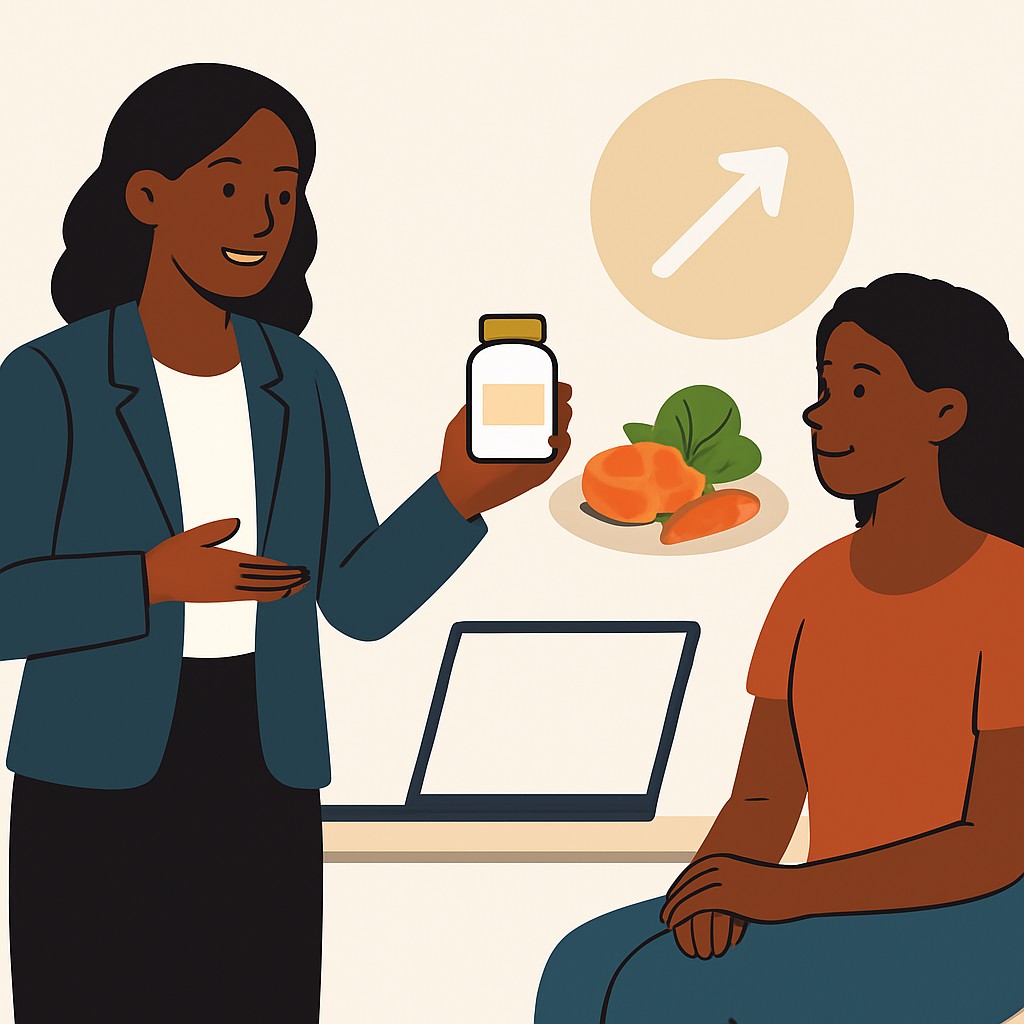
Consider Supplemental Support
- Mention scenarios where supplements may fill nutrient gaps or support absorption.
- Offer guidance on choosing high quality supplements and consulting a healthcare provider.
Maximizing absorption of vitamins and minerals may require supplements.
Sometimes supplements can help fill dietary gaps.
The following scenarios may require supplemental support.
Nutrient Gaps
People with dietary restrictions may need supplements.
For example vegans may benefit from vitamin B12 supplementation.
Health Conditions Affect Absorption
Certain health conditions can impair nutrient absorption.
For instance celiac disease may reduce iron and calcium absorption.
Increased Nutrient Needs
Pregnancy can increase the need for specific nutrients.
Intense physical training can also raise nutrient requirements.
Choosing High Quality Supplements
- Look for third party testing that verifies quality and purity.
- Check supplement forms for higher bioavailability to boost absorption.
- Read reputable reviews and seek recommendations from healthcare providers.
Consult a healthcare provider before starting any supplement.
They can give personalized advice based on health status and medications.
Use supplements to complement a balanced diet rather than replace foods.
Apply supplements wisely to support overall nutrient absorption.
Optimizing Vitamin and Mineral Absorption
Optimizing absorption of vitamins and minerals supports overall health.
Prioritize nutrient-dense foods to supply essential vitamins and minerals.
Use mindful cooking methods to help preserve nutrients during preparation.
For example, choose gentle techniques such as steaming or sauteing over deep frying.
Manage stress, sleep adequately, and stay hydrated to support absorption.
Small, consistent changes in diet and lifestyle can improve nutrient uptake.
These improvements enhance overall health and well-being.
Treat your body with care and make wise lifestyle choices.
Additional Resources
No relevant external resources were found for this topic at the time of publishing.


