



Introduction:
Selenium is a vital mineral that plays a crucial role in reducing cancer risks among individuals.
Cancer is a significant health issue in Nigeria, with high rates of occurrence and mortality.
Selenium acts as an antioxidant, protecting cells from damage that can lead to cancer development.
Definition of Selenium
Selenium is a trace mineral.
This mineral is essential for various bodily functions.
It supports various physiological processes.
Role in the Body
Selenium plays a crucial role in protecting cells from oxidative damage.
Consequently, it helps maintain cellular integrity.
It contributes to antioxidant defense systems.
How Selenium Works as an Antioxidant
Selenium works by helping to neutralize free radicals, which can cause cellular damage.
This process reduces oxidative stress.
As a result, cells experience less molecular harm.
Sources of Selenium in Nigerian Diet
The following foods supply selenium.
Many of these items are commonly available in Nigeria.
Below is a list of examples.
Unlock the Power of Nigerian Food Minerals
Discover personalized Food Advisory tailored to boost your health or business using expert insights on Nigerian minerals.
Get Started- Seafood – Fish such as tuna and shrimp are rich in selenium
- Nuts and Seeds – Brazil nuts and sunflower seeds are good sources
- Whole Grains – Brown rice and whole wheat bread contain selenium
- Meat and Poultry – Chicken and beef liver are high in selenium
- Vegetables – Spinach, broccoli, and garlic also have selenium
- Eggs – Consuming eggs can contribute to selenium intake
Selenium and Cancer Prevention
- Research studies show a strong correlation between selenium intake and reduced cancer risks.
- It can help prevent prostate, colorectal, lung, and breast cancers.
- Selenium supports the body’s natural defense against cancer cells.
It helps prevent damage to cells caused by free radicals.
When the body has enough selenium, it neutralizes free radicals.
Consequently, selenium may reduce the risk of cell damage that leads to cancer.
Selenium can inhibit cancer cell growth and trigger apoptosis.
It also decreases inflammation in the body.
Moreover, it enhances immune cell activity against cancer cells.
For example, selenium supports T cells and natural killer cells.
Additionally, it helps regulate genes involved in cell proliferation and apoptosis.
Incorporate selenium-rich foods like brazil nuts, seafood, and whole grains.
Ensure you get an adequate amount to support overall health.
Uncover the Details: Chromium: Managing Diabetes and Blood Sugar in Nigeria
Selenium Deficiency in Nigeria
- Information on the prevalence of selenium deficiency in Nigeria
- Reasons why Nigerians may not be getting enough selenium in their diet
- Impact of selenium deficiency on cancer rates in Nigeria
Prevalence of Selenium Deficiency
Studies have shown that selenium deficiency is a common issue in Nigeria.
A significant portion of the population does not get adequate selenium in their diet.
Research in various regions of Nigeria found low selenium levels in soil.
Captivate Your Audience with Exclusive Nigerian Food Content
Imagine your platform enriched with unique, mineral-rich Nigerian cuisine stories that no one else can offer. Let's create content that resonates deeply and sets you apart.
Get StartedSoil selenium directly affects selenium content in food crops.
Many Nigerians may not consume enough selenium-rich foods.
This situation leads to deficiency in this micronutrient.
Reasons for Selenium Deficiency
Several factors contribute to the prevalence of selenium deficiency among Nigerians.
One major reason is poor soil quality in many parts of the country.
Those soils lack necessary selenium for healthy plant growth.
Inadequate agricultural practices deplete soil selenium.
The use of chemical fertilizers can also reduce selenium in crops.
Reliance on processed foods that are low in selenium plays a role.
Some food preparation methods can lead to nutrient loss.
Impact on Cancer Rates
The consequences of selenium deficiency on cancer rates in Nigeria are significant.
Selenium plays a role in antioxidant defense mechanisms.
It also supports DNA repair.
Low selenium may compromise these mechanisms and increase cancer susceptibility.
Individuals may become more susceptible to several cancer types.
Prostate, breast, and colon cancers may be affected.
Thus, selenium deficiency could contribute to higher cancer incidence.
This situation may affect cancer rates in the population.
Uncover the Details: Mineral Interactions: Ensuring Optimal Health Benefits
4 Ways to Increase Selenium Intake
Ensure adequate selenium intake through diet and meal choices.
These suggestions focus on common foods and practical tips.
Use varied sources to improve overall nutrient balance.
List of Selenium-Rich Foods Commonly Found in Nigerian Cuisine
Local cuisine includes multiple selenium-rich foods.
Select items from the following list to diversify meals.
Try to combine several sources during the week.
- Beans: Black-eyed peas lentils and kidney beans contain selenium.
- Seafood: Fish such as mackerel tuna and sardines provide selenium.
- Nuts and Seeds: Almonds sunflower and pumpkin seeds add selenium to snacks.
- Whole Grains: Brown rice oats and whole wheat bread contain selenium.
- Poultry: Chicken and turkey are common selenium sources in Nigeria.
Suggestions for Incorporating More Selenium into Daily Meals
Plan meals that combine different selenium sources.
Also include nuts and seeds as easy snacks.
Swap refined grains for whole grains when possible.
- Diversify meals with multiple selenium sources each week.
- Snack on almonds sunflower or pumpkin seeds between meals.
- Choose fish and seafood more often than red meat.
- Use brown rice oats and whole wheat instead of refined grains.
- Try different types of beans in stews and salads.
Importance of Balanced Diet and Variety in Selenium Intake
A balanced diet supports overall nutrient needs.
Moreover variety ensures the body receives complementary nutrients.
Selenium works with other antioxidants to protect cells.
- Nutrient synergy helps multiple nutrients work together effectively.
- Antioxidant benefits reduce cellular damage when combined with selenium.
- Selenium supports immune system function and resilience.
- Balanced eating contributes to healthier aging over time.
- Consistent intake of selenium-rich foods supports long-term health.
Follow these suggestions to support long-term health.
Make gradual changes that fit your typical meals.
You Might Also Like: Hydration and Minerals: Importance for Nigerian Climate
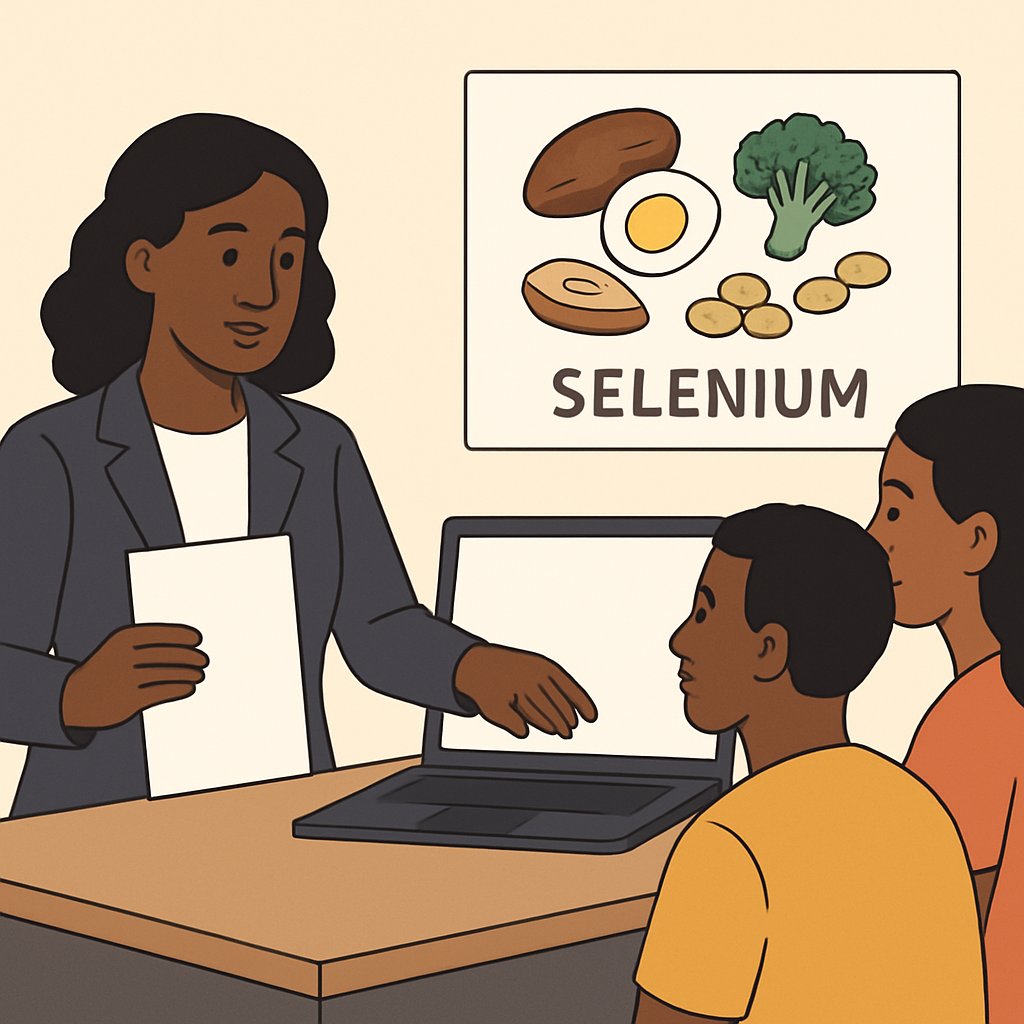
Selenium Supplements
When it comes to reducing cancer risks among Nigerians, selenium supplements play a crucial role.
This section focuses on using supplements to increase dietary selenium intake.
Additionally, it outlines potential risks and steps for safer supplementation.
For safety, consult a healthcare provider before starting supplements.
Use of Selenium Supplements
Selenium, a powerful antioxidant, is known to have anti-cancer properties.
It helps protect cells from damage caused by free radicals, reducing the risk of cancer development.
Inadequate selenium intake has been linked to increased cancer risk.
Supplementation may benefit those with low selenium levels.
Potential Risks and Benefits
Selenium supplements can enhance the body’s immune response, support DNA repair, and regulate thyroid function.
- Benefits: Selenium supplements enhance immune response and support DNA repair.
- Risks: Excessive selenium intake can lead to selenosis with hair and nail loss.
Selenosis can cause gastrointestinal problems and neurological symptoms.
It is important to note that the benefits of selenium supplementation outweigh the risks when taken in appropriate doses.
By improving antioxidant defenses and supporting immune function, selenium supplements can help lower the risk of cancer in Nigerian populations.
Recommendation for Consulting a Healthcare Provider
Before incorporating selenium supplements into your daily regimen, it is crucial to consult a healthcare provider.
They can assess your selenium levels through blood tests and recommend an appropriate dosage based on your individual needs.
This personalized approach ensures that you are receiving the right amount of selenium.
You Might Also Like: Fluoride: Preventing Dental Cavities in Nigerian Children
Selenium Benefits for Health and Cancer Prevention
Selenium plays a crucial role in reducing cancer risks among Nigerians.
Its antioxidant properties help protect cells from damage.
They also help prevent the development of cancerous cells.
Individuals should prioritize selenium-rich foods in their diet.
This practice helps ensure adequate selenium intake.
Foods such as Brazil nuts, seafood, eggs, and whole grains are excellent sources of selenium.
Including selenium in the daily diet can reduce cancer risk.
Furthermore, it promotes general health and helps prevent disease.
Selenium supports immune function and thyroid health.
It may also aid in preventing heart disease.
Selenium should not be overlooked for health and well-being.
Conscious effort to include selenium-rich foods can improve health.
This action may also support longevity.
Take steps to ensure sufficient selenium in the diet.
Doing so allows people to gain benefits for cancer prevention and health.


