



Introduction
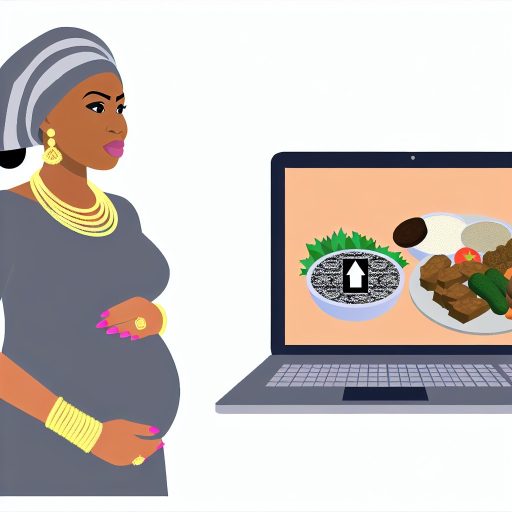
In pregnancy, protein is crucial for the growth and development of the baby.
Pregnant Nigerian women need specific protein sources due to cultural dietary preferences.
Importance of Protein During Pregnancy
- Protein is essential for the growth and development of the baby.
- It helps in building and repairing tissues.
- Protein supports the overall health of the mother and baby.
During pregnancy, the body undergoes significant changes to support the growing baby.
Protein is a crucial nutrient that plays a vital role in ensuring the proper development of the baby.
It also helps maintain the health of the mother during this time.
Including an adequate amount of protein in the diet is essential to support these needs.
Protein Sources for Pregnant Nigerian Women
In Nigeria, pregnant women can choose from a variety of protein-rich foods to meet their nutritional requirements.
Here are some excellent protein sources available for pregnant Nigerian women.
Beans
Beans are a staple in Nigerian cuisine and provide a great source of protein for pregnant women.
They are rich in fiber, iron, and folate, making them an excellent choice for a healthy pregnancy.
Eggs
Eggs are a versatile and nutrient-dense food that provides high-quality protein.
They are also a good source of choline, which is essential for brain development in the fetus.
Fish
Fish is rich in protein and omega-3 fatty acids, which support the growth and development of the baby’s brain and eyes.
Pregnant women should choose low-mercury fish like mackerel and sardines.
Chicken
Chicken is a lean source of protein that helps pregnant women meet their daily protein needs.
Unlock the Power of Nigerian Food Minerals
Discover personalized Food Advisory tailored to boost your health or business using expert insights on Nigerian minerals.
Get StartedIt also provides iron and zinc, essential for the baby’s growth.
Soybeans
Soybeans are a plant-based protein source rich in folate, iron, and calcium.
They can be included in various dishes or consumed as a soy drink.
Milk and Dairy Products
Milk and dairy products like yogurt and cheese provide excellent sources of protein and calcium.
They also provide vitamin D and potassium, important for the health of both mother and baby.
Nuts and Seeds
Nuts and seeds are nutrient-dense foods rich in protein, healthy fats, and fiber.
They can be enjoyed as snacks or added to meals for extra protein and nutrients.
Legumes
Legumes like lentils, peas, and chickpeas provide excellent plant-based protein sources for pregnant women.
They also contain fiber, folate, and iron, supporting a healthy pregnancy.
Including a variety of protein sources in the diet ensures pregnant Nigerian women receive essential nutrients.
It is important to consult a healthcare provider or nutritionist to determine appropriate protein intake.
They can provide guidance based on individual needs and preferences.
Benefits of Varied Protein Intake During Pregnancy
Protein plays a crucial role in supporting the baby’s growth and development during pregnancy.
It also promotes overall health for pregnant women throughout this special time.
Captivate Your Audience with Exclusive Nigerian Food Content
Imagine your platform enriched with unique, mineral-rich Nigerian cuisine stories that no one else can offer. Let's create content that resonates deeply and sets you apart.
Get StartedBy incorporating various protein-rich foods into their diets, pregnant Nigerian women can meet nutritional requirements effectively.
They should also maintain a balanced diet and stay hydrated for optimal health.
Recommended Daily Protein Intake for Pregnant Women
During pregnancy, it is crucial for Nigerian women to meet the recommended daily protein intake.
This supports the healthy growth and development of the baby.
The amount of protein needed varies depending on the stage of pregnancy.
Individual factors also affect protein requirements.
Recommended Protein Amounts for Pregnant Nigerian Women
- Pregnant women in Nigeria should consume an additional 25 grams of protein per day compared to non-pregnant women.
- The recommended daily protein intake for pregnant Nigerian women is around 71 grams per day.
- This amount can be easily achieved through a balanced diet including protein-rich foods.
Importance of Meeting Daily Protein Requirements
- Protein is essential for the baby’s growth as it helps build tissues and muscles.
- Protein plays a vital role in the development of the baby’s brain and overall health.
- Adequate protein intake helps prevent complications during pregnancy and promotes healthy birth outcomes.
- Meeting daily protein needs also supports the mother’s health and energy levels.
Pregnant Nigerian women must pay close attention to their protein intake.
Ensuring they meet recommended daily protein requirements supports both mother and baby’s health throughout pregnancy.
Gain More Insights: Mineral-Rich Nigerian Meals for Pregnant Women
Traditional Nigerian Protein Sources
When it comes to protein sources in Nigerian cuisine, there are several traditional options.
These options are not only delicious but also highly nutritious for pregnant women.
Here are some popular sources of protein that are commonly used.
- Beans: Beans are a staple in Nigerian cooking and a great source of protein.
- They come in various types such as black-eyed peas, brown beans, and honey beans.
- Beans are rich in protein and fiber, which helps with digestion and prevents constipation.
- Constipation is a common issue during pregnancy.
- Peas: Peas are another popular protein source in Nigeria and are commonly used in stews and soups.
- They are rich in vitamins and minerals like iron, essential for preventing anemia during pregnancy.
- Peas also provide a good amount of dietary fiber that aids in maintaining a healthy digestive system.
- Lentils: Lentils are a versatile protein source used in various Nigerian dishes such as stews, soups, and side dishes.
- They are high in protein and fiber, making them an excellent choice for pregnant women.
- Lentils are packed with essential nutrients like folate, iron, and magnesium.
- These nutrients are crucial for the health of both the mother and the developing baby.
Benefits of Consuming Locally Available Protein Sources
There are several advantages to consuming locally available protein sources for pregnant Nigerian women.
Here are some key benefits to consider.
- Nutritional Value: Locally available protein sources like beans, peas, and lentils are rich in essential nutrients.
- These nutrients include protein, fiber, vitamins, and minerals.
- They are vital for the health and development of the baby.
- Affordability: Traditional protein sources are often more affordable and accessible than imported options.
- This makes it easier for pregnant women, especially in rural areas, to maintain a healthy diet.
- They can do so without breaking the bank.
- Cultural Connection: Consuming traditional protein sources provides nutritional benefits and helps pregnant women stay connected to their cultural roots.
- It allows them to enjoy familiar flavors and dishes that are part of their heritage.
- Sustainability: Locally available protein sources are more sustainable as they are grown and produced within the country.
- This reduces the carbon footprint linked to importing food from other countries.
- It also supports local farmers and producers.
Incorporating traditional Nigerian protein sources like beans, peas, and lentils into the diet benefits pregnant women.
These foods are rich in essential nutrients, cost-effective, culturally relevant, and environmentally sustainable.
By making these protein-rich options a regular part of meals, pregnant Nigerian women can ensure a healthy pregnancy.
This supports the well-being of their growing baby.
Explore Further: Calcium Sources for Pregnant Women in Nigeria
Animal-Based Protein Sources
It is crucial to incorporate animal-based proteins like fish, poultry, and meat into the diet during pregnancy.
These proteins are rich in essential nutrients such as iron, zinc, and vitamin B12.
They help in the baby’s growth and development, especially their brain and nervous system.
Animal-based proteins provide high-quality protein necessary for the body’s repair and maintenance.
They also boost the immune system to help protect both the mother and the baby.
Including these proteins improves energy levels and helps in preventing fatigue during pregnancy.
- Rich in essential nutrients such as iron, zinc, and vitamin B12.
- Helps in the baby’s growth and development, especially their brain and nervous system.
- Provides high-quality protein necessary for the body’s repair and maintenance.
- Boosts the immune system to help protect both the mother and the baby.
- Improves energy levels and helps in preventing fatigue during pregnancy.
By including animal-based proteins in the diet, pregnant women can ensure they are getting all the necessary nutrients for a healthy pregnancy and baby.
See Related Content: Vitamins and Minerals for Nigerian Pregnancies
Vegetarian Protein Sources for Pregnant Nigerian Women
Pregnant Nigerian women who choose vegetarian or vegan diets must find alternative protein sources.
These sources help ensure proper nutrition for both mother and baby.
- Nuts: Almonds, cashews, walnuts, and pistachios provide excellent protein.
- Seeds: Chia, flax, pumpkin, and sunflower seeds are rich in protein and nutrients.
- Soy Products: Tofu, tempeh, and edamame contain high-quality vegetarian protein.
- Legumes: Lentils, chickpeas, black beans, and kidney beans offer hearty protein options.
- Whole Grains: Quinoa, brown rice, oats, and barley supply protein plus key vitamins and minerals.
Incorporating these vegetarian proteins helps pregnant Nigerian women meet their nutritional needs.
They can effectively maintain a plant-based lifestyle while supporting their baby’s health.
Uncover the Details: Top Nigerian Foods for Child Growth and Development

Importance of Variety in Protein Sources
It is crucial for pregnant Nigerian women to incorporate a variety of protein sources into their diets for optimal health benefits.
Benefits of Different Protein Sources
- Diverse protein sources offer a wide range of essential nutrients that are vital for the mother and the developing baby.
- Each protein source contains a unique combination of amino acids, vitamins, and minerals that contribute to overall health.
- By consuming a variety of proteins, pregnant women can ensure they are meeting their daily nutritional requirements.
- Different protein sources can help prevent deficiencies in specific nutrients, promoting a healthy pregnancy and fetal development.
Essential Nutrients Found in Various Protein Sources
- Meat such as beef and poultry provide high-quality protein, iron, zinc, and vitamins B12 and B6.
- Legumes like beans and lentils are rich in fiber, folate, potassium, and plant-based protein.
- Seafood such as fish and shrimp offer omega-3 fatty acids, iodine, and vitamin D, crucial for brain development.
- Dairy products like milk and yogurt contain calcium, vitamin D, and protein, essential for bone health and growth.
- Nuts and seeds provide healthy fats, magnesium, and vitamin E, supporting heart health and overall well-being.
By incorporating a variety of these protein sources into their diets, pregnant Nigerian women can ensure they are receiving a diverse array of nutrients.
These nutrients are essential for both their own health and the development of their baby.
It is recommended to consult with a healthcare provider or a nutritionist to create a personalized meal plan that meets individual needs during pregnancy.
Tips for Increasing Protein Intake
- Incorporate lean sources of protein such as poultry, fish, eggs, and legumes into your meals.
- Snack on protein-rich foods like Greek yogurt, nuts, seeds, or hummus throughout the day.
- Include at least one serving of protein in each meal to meet your daily requirements.
- Prepare protein-rich dishes like beans and plantain porridge, grilled fish, or chicken stir-fry.
- Opt for whole grains like brown rice, quinoa, or whole wheat bread to pair with your protein sources.
- Experiment with different cooking methods such as grilling, baking, or steaming to retain the nutrients in your proteins.
- Plan your meals ahead of time to ensure that you have a balance of protein, carbohydrates, and vegetables in each dish.
- Choose snacks that are high in protein and fiber to keep you full and satisfied between meals.
- Consider incorporating protein shakes or smoothies made with whey protein, fruits, and vegetables for a quick and easy nutrient boost.
- Be mindful of portion sizes and try to avoid consuming too much red meat or processed meats, which can be high in saturated fats.
- Consult with a nutritionist or healthcare provider to create a personalized meal plan that meets your specific protein needs during pregnancy.
By following these tips and incorporating a variety of protein-rich foods into your diet, you can ensure that you are meeting the necessary nutrient requirements for a healthy pregnancy.
Remember to listen to your body and adjust your intake as needed to support both you and your growing baby.
Role of Protein Intake for Pregnant Nigerian Women
Proteins are essential for pregnant Nigerian women.
They help in the growth and development of the baby.
Pregnant women must prioritize their protein intake.
This priority ensures a healthy pregnancy and baby.
Including a variety of protein sources in the diet is important.
It helps meet nutritional needs and promotes optimal health.
The quality of protein consumed is as important as the quantity.
Therefore, choose nutrient-dense protein options.
Consulting a healthcare provider or nutritionist is advisable.
They can help create a balanced meal plan for individual needs.
Investing in protein intake during pregnancy promotes healthy childbirth.
Additional Resources
Nutrition Policy and Practice Landscape on Adolescent, Pre …