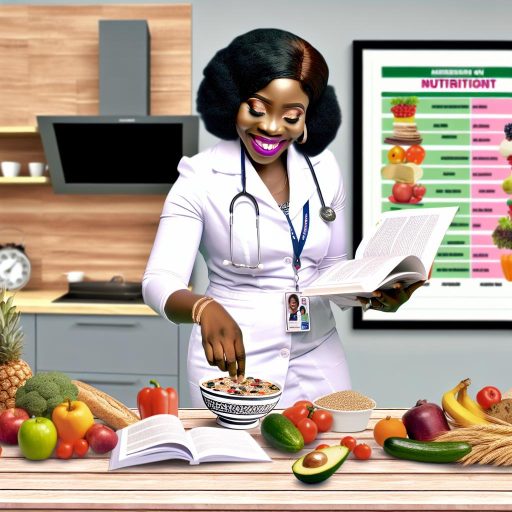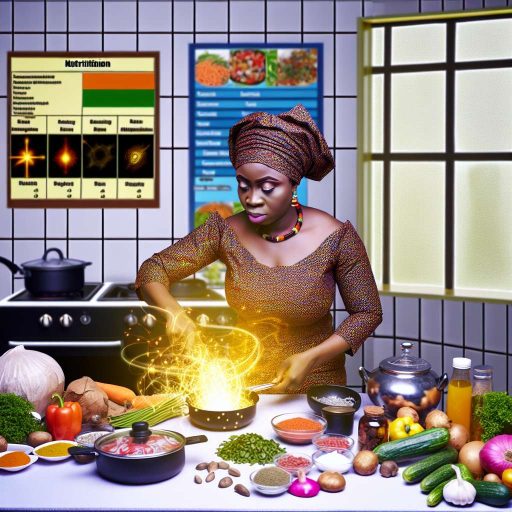




Pairing foods for better nutrient and mineral uptake is essential.
It maximizes the benefits of the foods we eat.
By combining certain foods, we can enhance absorption of key nutrients and minerals.
This ultimately improves our overall health and well-being.
Importance of Pairing Foods
Pairing foods strategically helps ensure we get the most out of our meals.
Some nutrients are better absorbed when consumed with other specific nutrients.
Food pairing is an effective way to optimize nutrient uptake.
Enhancing Nutrient Absorption
For example, pairing vitamin C-rich foods with iron-rich foods boosts iron absorption.
Vitamin C helps convert non-heme iron into a more absorbable form.
This increases overall iron uptake by the body.
Traditional Nigerian Food Pairings
Nigerian cuisine features traditional food pairings developed over generations to optimize mineral intake.
Combining beans with rice creates a complete protein source.
This pairing also provides a good balance of essential nutrients.
Understanding Food Synergy
Food synergy refers to the concept that nutrients in foods work together in a way that is more beneficial for our bodies than when consumed alone.
This means that certain nutrients can enhance the absorption and effectiveness of others when consumed together.
Unlock the Power of Nigerian Food Minerals
Discover personalized Food Advisory tailored to boost your health or business using expert insights on Nigerian minerals.
Get StartedHow Certain Nutrients Work Together to Enhance Absorption
- Iron and Vitamin C: Consuming foods rich in iron with foods high in vitamin C can significantly increase the absorption of iron in the body.
- This is especially important for individuals at risk for iron deficiency, such as pregnant women and vegetarians.
- Vitamin D and Calcium: These two nutrients are essential for bone health.
- Vitamin D helps the body absorb calcium, which is crucial for maintaining strong bones and preventing conditions like osteoporosis.
- Omega-3 Fatty Acids and Antioxidants: Combining omega-3 fatty acids found in fish with antioxidants from fruits and vegetables can help reduce inflammation and promote heart health.
Examples of Synergistic Nutrients
- Vitamin C and Iron: Vitamin C enhances the absorption of non-heme iron, which is found in plant-based sources like lentils and spinach.
- Probiotics and Prebiotics: Probiotics are beneficial bacteria that support gut health, and prebiotics are non-digestible fibers that feed these bacteria.
- Consuming both can promote a healthy gut microbiome.
- Vitamin E and Selenium: These antioxidants work together to protect cells from damage and support immune function.
- Foods like nuts and seeds are good sources of both nutrients.
Benefits of Consuming a Variety of Foods
It is essential to consume a diverse range of foods to maximize the benefits of food synergy.
By incorporating different food groups into your diet, you can ensure you are getting a wide array of nutrients.
These nutrients work together to support overall health and well-being.
When planning your meals, consider pairing foods that complement each other in terms of nutrient absorption and effectiveness.
This approach can help you optimize your nutrient intake and make the most of the foods you consume.
Remember that no single food can provide all the nutrients your body needs.
That is why variety is key.
Experiment with different food combinations and recipes to discover new ways to enhance the synergistic effects of nutrients in your diet.
Understanding food synergy and the importance of pairing foods for better nutrient absorption can help you make informed choices about your diet.
This knowledge supports optimal health and wellness.
Key food pairings for better mineral uptake
- Overview of specific food combinations that improve mineral absorption
- Examples of popular pairings in Nigerian cuisine, such as beans and plantains
- Explanation of why these combinations work well together to boost mineral intake
Overview of specific food combinations
Combining certain foods can enhance the absorption of minerals within our bodies.
This means that by strategically pairing foods, we can maximize the nutrients we receive from our meals.
Vitamin C has been shown to increase the absorption of non-heme iron found in plant-based foods like beans and lentils.
Pairing these with vitamin C rich foods like citrus fruits or bell peppers can significantly improve iron uptake.
Captivate Your Audience with Exclusive Nigerian Food Content
Imagine your platform enriched with unique, mineral-rich Nigerian cuisine stories that no one else can offer. Let's create content that resonates deeply and sets you apart.
Get StartedSimilarly, pairing foods high in calcium with foods high in vitamin D, such as dairy products with fatty fish like salmon, can enhance calcium absorption.
This combination promotes stronger bones and teeth.
Examples of popular pairings in Nigerian cuisine
Nigerian cuisine offers a variety of delicious food pairings that naturally enhance mineral absorption.
One popular combination is beans and plantains.
Beans are a great source of non-heme iron, while plantains are rich in vitamin C.
Combining these two foods allows Nigerians to benefit from increased iron uptake due to the synergistic effect of iron and vitamin C.
Another common pairing is okra soup with eba or pounded yam.
Okra is high in magnesium, while eba or pounded yam provides a good source of calcium.
This combination improves the absorption of both minerals, leading to better overall nutrient intake.
Reasons why these combinations improve mineral absorption
These food pairings work well together because they complement each other in nutrient content and bioavailability.
Combining foods that enhance mineral absorption ensures our bodies can make the most of the nutrients we consume.
The combination of beans and plantains is ideal because vitamin C in plantains converts non-heme iron in beans into a more absorbable form.
This synergy leads to improved iron uptake and better health outcomes.
Similarly, pairing calcium-rich foods with vitamin D rich foods ensures effective calcium absorption for bone health.
This strategic combination helps prevent deficiencies and promotes strong bones and teeth.
Understanding these important food pairings helps optimize mineral uptake and supports overall health and well-being.
Incorporating key food combinations into diets maximizes nutrient benefits and supports the body’s full potential.
Uncover the Details: Improve Nutrient Uptake: Key Tips for Mineral Absorption
Importance of Including a Variety of Food Groups in Daily Meals
Incorporating diverse food groups in your daily meals is essential for overall health and well-being.
Each food group provides a unique set of nutrients and minerals that are necessary for proper body function.
By including a variety of food groups in your diet, you can ensure that you are getting a wide range of essential nutrients.
Discussion on How Different Food Groups Contribute to Overall Nutrient Intake
- Fruits and Vegetables: Rich in vitamins, minerals, and antioxidants.
- They provide fiber for digestion and disease-fighting compounds.
- Protein Foods: Essential for muscle growth and repair.
- They also provide iron, zinc, and B vitamins for overall health.
- Whole Grains: Good source of fiber, B vitamins, and minerals like iron and magnesium.
- They help regulate blood sugar levels.
- Dairy or Alternatives: Great source of calcium, vitamin D, and protein for strong bones and teeth.
- Choose low-fat options for heart health.
- Healthy Fats: Include nuts, seeds, and avocados for omega-3 fatty acids that support brain function and heart health.
Tips for Balancing Meals to Ensure a Diverse Range of Nutrients
- Create a Colorful Plate: Include a variety of fruits and vegetables of different colors to ensure a range of nutrients.
- Mix Up Protein Sources: Rotate between animal and plant-based proteins like beans, lentils, tofu, and nuts for a diverse amino acid profile.
- Choose Whole Grains: Opt for whole grain bread, rice, and pasta instead of refined grains for more fiber and nutrients.
- Include Dairy Alternatives: If you’re lactose intolerant or vegan, choose fortified plant-based milk alternatives for calcium and vitamin D.
- Add Healthy Fats: Incorporate olive oil, nuts, seeds, and fatty fish into your diet for essential fatty acids and fat-soluble vitamins.
By incorporating diverse food groups and following these tips for balanced meals, you can ensure that you are getting a wide range of nutrients and minerals to support your overall health and well-being.
Find Out More: Pairing Foods for Optimal Mineral Absorption in Nigeria
When it comes to preserving the nutrient content of foods during cooking, the methods you use can have a significant impact.
Here is a breakdown of how different cooking methods can affect the nutrient content of your meals.
Cooking Methods and Nutrient Content
Certain cooking methods such as boiling and frying can lead to a loss of nutrients in foods.
Boiling vegetables, for example, can cause water-soluble vitamins like vitamin C and B vitamins to leach out into the water.
On the other hand, methods like steaming, roasting, and grilling can help preserve the nutrient content of foods.
These techniques expose foods to less heat and water, reducing the risk of nutrient loss during cooking.
Tips for Preserving Minerals
When it comes to minerals, it is important to choose cooking methods that minimize mineral loss.
Steaming is a great option for preserving minerals in foods, as it involves minimal water contact.
Another tip is to cook foods in their skins whenever possible.
Many minerals are concentrated in the outer layers of fruits and vegetables.
Roasting or baking with the skin on can help retain these valuable minerals.
Maintaining Nutrient Density in Food Pairings
To maintain nutrient density while preparing food pairings, focus on fresh, whole ingredients.
Choosing nutrient-dense foods like leafy greens, berries, nuts, and seeds can boost the nutritional value of your meals.
Pairing foods that complement each other’s nutrient profiles can enhance overall nutrient absorption.
For example, combining vitamin C-rich foods with iron-rich foods can improve the body’s ability to absorb iron.
Additionally, avoiding overcooking or overprocessing foods helps maintain their nutrient density.
Opt for cooking methods that retain as many nutrients as possible, such as lightly sauteing vegetables or eating fruits raw.
By being mindful of your cooking methods and ingredients, you can ensure that your food pairings are not only delicious but also packed with essential nutrients and minerals.
See Related Content: Tips to Increase Mineral Absorption From Common Nigerian Dishes

Meal Planning for Optimal Nutrient Absorption
When it comes to meal planning, it is not just about eating a variety of foods.
It is also about making sure these foods work together to maximize absorption of nutrients.
These nutrients include essential vitamins and minerals.
Here are strategies and tips for planning balanced meals that focus on nutrient synergy and bioavailability.
Strategies for Planning Balanced Meals
- Include a variety of colorful fruits and vegetables in each meal to ensure a wide range of essential vitamins and minerals.
- Pair foods rich in vitamin C, such as citrus fruits or bell peppers, with iron-rich foods like spinach or lean meats to enhance iron absorption.
- Combine sources of vitamin D, like fatty fish or fortified dairy products, with foods high in calcium to support bone health.
- Include sources of healthy fats, such as avocado or nuts, to aid in the absorption of fat-soluble vitamins like A, D, E, and K.
- Choose whole grains over refined grains to increase fiber intake, which can help with the absorption of nutrients and minerals.
Tips for Maximizing Mineral Uptake
- Pair foods rich in magnesium, such as leafy greens or nuts, with sources of vitamin B6 like poultry or bananas to enhance magnesium absorption.
- Combine foods high in zinc, such as shellfish or legumes, with sources of vitamin C to improve zinc absorption in the body.
- Include sources of potassium, like bananas or sweet potatoes, alongside high-sodium foods to help balance electrolytes and support heart health.
- Pair foods rich in calcium, such as dairy products or leafy greens, with magnesium-rich foods to support bone density and muscle function.
Considerations for Nutrient Bioavailability
Besides pairing foods strategically, it is crucial to consider nutrient bioavailability when planning meals.
Bioavailability refers to the rate and extent to which nutrients are absorbed and utilized by the body.
Several factors can affect nutrient bioavailability.
- Food processing or cooking methods may destroy or enhance certain nutrients.
- The presence of other nutrients or compounds can inhibit or enhance absorption of specific nutrients.
- Individual differences in digestion and absorption depend on genetics, age, or health status.
By considering nutrient synergy, mineral pairing, and bioavailability in your meal planning, you can ensure optimal health benefits.
This approach supports a balanced diet and maximizes absorption of essential nutrients and minerals.
Find Out More: Boosting Zinc Absorption: Best Practices and Foods
Nutrient-dense Ingredients for Enhancing Mineral Intake
Spinach is rich in iron and magnesium.
Almonds are an excellent source of calcium.
Salmon is high in omega-3 fatty acids.
Quinoa contains iron, magnesium, and zinc.
Greek yogurt provides calcium and probiotics.
When it comes to boosting mineral intake, incorporating nutrient-dense foods into your daily meals is essential.
These foods not only provide a wide range of essential minerals but also support the absorption of these nutrients in the body.
List of Nutrient-dense Foods that Are Rich in Essential Minerals
- Spinach: Known for its high iron and magnesium content, spinach is a versatile leafy green that can be easily added to salads, smoothies, or omelets to increase mineral intake.
- Almonds: These nuts are an excellent source of calcium, making them a great snack option or addition to salads and yogurt for a mineral boost.
- Salmon: As a rich source of omega-3 fatty acids, salmon not only supports heart health but also provides essential minerals like magnesium and selenium.
- Quinoa: This ancient grain is a powerhouse of nutrients, including iron, magnesium, and zinc, making it a great alternative to rice or pasta in meals.
- Greek yogurt: Besides being a good source of calcium, Greek yogurt also contains probiotics that support gut health and enhance mineral absorption in the body.
Suggestions for Incorporating These Foods into Daily Meals for Optimal Nutrition
- Add spinach to your morning smoothie or omelet for a nutrient-rich breakfast option.
- Snack on a handful of almonds or sprinkle them over salads or yogurt for a crunchy and mineral-packed snack.
- Include salmon in your weekly meal plan by grilling or baking it with herbs and spices for a flavorful and nutritious dish.
- Replace rice or pasta with quinoa in salads, stir-fries, or as a side dish to increase your mineral intake and overall nutrient profile.
- Enjoy Greek yogurt as a snack or as a base for dressings, dips, or desserts to boost your calcium and probiotic intake while supporting mineral absorption.
How Specific Ingredients Support Mineral Absorption
- Spinach: The high vitamin C content in spinach aids in the absorption of iron, while magnesium helps regulate mineral balance in the body.
- Almonds: The vitamin D found in almonds promotes calcium absorption, while the fiber content supports overall nutrient absorption in the gut.
- Salmon: Omega-3 fatty acids in salmon enhance mineral absorption, while selenium contributes to antioxidant defense and mineral utilization in the body.
- Quinoa: The combination of iron, magnesium, and zinc in quinoa supports various bodily functions and helps maintain mineral balance for optimal health.
- Greek yogurt: Probiotics in Greek yogurt promote gut health, enhancing mineral absorption and overall nutrient utilization in the body.
Incorporating these nutrient-dense foods into your daily meals can improve your mineral intake.
They also support overall health and wellbeing.
Remember to eat a balanced diet rich in a variety of minerals to ensure optimal nutrition and proper mineral absorption.
Optimizing Mineral Absorption Through Food Pairing
Pairing foods enhances mineral uptake for better nutrient absorption.
You can increase bioavailability of iron, calcium, and zinc by combining foods.
It is important to explore diverse food combinations for optimal nutrient use.
For instance, vitamin C-rich foods improve iron absorption when eaten together.
A well-rounded diet with varied nutrients supports overall health effectively.
By carefully pairing foods, you optimize nutrient intake and support body functions.
Additional Resources
Fueling Your Body: How Exercise Enhances Nutrient Absorption …