




Introduction:
Nutrient-dense foods are packed with essential vitamins and minerals that are beneficial for overall health.
Additionally, these foods play a crucial role in maintaining a balanced and healthy diet.
Nigerian cuisine is rich in nutrient-dense ingredients like vegetables, lean proteins, and whole grains.
Nutrient-Dense Ingredients in Nigerian Cuisine
Nigerian dishes include several nutrient-dense ingredients.
They add flavor to many traditional recipes.
Furthermore, they provide health benefits from high nutrient content.
Spinach
- Spinach ranks among popular leafy greens in Nigeria.
- It contains iron and vitamins A, C, and K.
- Also, spinach offers high fiber that aids digestion and weight management.
- For example, cooks use it in Efo Riro and similar soups.
Beans
- Beans serve as a staple in Nigerian cuisine.
- They provide protein, fiber, and essential minerals.
- Also, beans supply plant-based protein for vegetarians and vegans.
- For example, dishes like Ewa Agoyin and Nigerian Beans Porridge use beans.
Plantains
- Plantains appear in both savory and sweet Nigerian dishes.
- They contain vitamins A, C, and B6 plus potassium and magnesium.
- Also, plantains offer energy from their complex carbohydrates.
- For example, cooks prepare Boli and Dodo with plantains.
Incorporating these ingredients into meals supports a balanced and healthy diet.
For example, Efo Riro, Nigerian Beans Porridge, and Dodo showcase these ingredients.
Traditional Nigerian Dishes
Egusi soup is made with ground melon seeds, spinach, and other vegetables.
This soup is rich in protein and essential vitamins.
Moi Moi is a steamed bean pudding made with black-eyed peas, onions, and bell peppers.
Jollof rice is a one-pot dish made with rice, tomatoes, and spices.
Nutritional Value
These traditional Nigerian dishes are nutrient-dense and offer health benefits.
Moi Moi provides fiber from black-eyed peas and vegetables.
Jollof rice is rich in antioxidants like lycopene and vitamin C.
Unlock the Power of Nigerian Food Minerals
Discover personalized Food Advisory tailored to boost your health or business using expert insights on Nigerian minerals.
Get StartedRecipes to Try
For those looking to recreate these dishes at home, here are some recipes to try.
- Egusi Soup recipe on allnigerrecipes.com
- Moi Moi recipe on allnigerrecipes.com
- Jollof Rice recipe on allnigerrecipes.com
Learn More: Mineral-Rich Traditional Nigerian Food Practices
Modern Twists on Classic Nigerian Dishes
Explore modern ways to refresh classic Nigerian recipes.
These ideas emphasize healthier ingredients and cooking methods.
They help you enjoy familiar flavors with mindful choices.
Use Whole Grain Rice
Swap white rice for brown rice or quinoa in recipes.
Brown rice and quinoa increase dietary fiber and fullness.
Whole grains also supply B vitamins, iron, and magnesium.
- Swap out white rice for whole grain varieties like brown rice or quinoa to increase fiber content and promote satiety.
- Whole grain rice also provides essential nutrients like B vitamins, iron, and magnesium, making it a more nutritious option.
Add Extra Vegetables
Add colorful vegetables such as bell peppers, carrots, spinach, and tomatoes.
Leafy greens like kale or collard greens boost nutrient profiles.
Include a variety to increase vitamins and minerals in meals.
- Incorporate a variety of colorful vegetables like bell peppers, carrots, spinach, and tomatoes for added vitamins and minerals.
- Experiment with leafy greens such as kale or collard greens to boost nutrients.
Tips on Portion Control and Healthier Cooking Methods
Fill half your plate with vegetables for balanced meals.
Allocate one quarter to lean protein and one quarter to whole grains.
Choose grilling, baking, or steaming instead of frying to reduce fats.
Captivate Your Audience with Exclusive Nigerian Food Content
Imagine your platform enriched with unique, mineral-rich Nigerian cuisine stories that no one else can offer. Let's create content that resonates deeply and sets you apart.
Get Started- Aim to fill half of your plate with vegetables, a quarter with lean protein, and a quarter with whole grains.
- Opt for grilling, baking, or steaming rather than frying to lower added fats.
Importance of Balance and Variety
Include a diverse range of foods to get essential nutrients.
Try different herbs, spices, and seasonings to add flavor without excess salt.
Vary ingredients regularly to support a balanced diet and enjoyment.
- Include a diverse range of foods to ensure you get all essential nutrients your body needs.
- Experiment with herbs, spices, and seasonings to add flavor without excessive salt or oil.
Incorporate these modern twists to improve the health profile of classic dishes.
You can preserve familiar flavors while making mindful ingredient swaps.
Use these tips to enjoy tasty meals with better nutrition.
Delve into the Subject: Key Nigerian Foods to Enhance Your Mineral Diet
Nutrient-Dense Snack and Street Food Options
Nigerian snacks and street foods include many nutrient-dense options.
They offer tasty choices and provide essential nutrients.
Additionally, these snacks can support a balanced diet when chosen mindfully.
Roasted Plantain Chips
- Roasted plantain chips are a popular Nigerian snack.
- They are rich in vitamins A and C, fiber, and potassium.
- You can enjoy them as a snack or pair them with a dip.
Groundnut Cakes
- Groundnut cakes are a common protein-packed street snack.
- They contain protein, healthy fats, and dietary fiber.
- Include them as a midday snack or pair with fruit for balance.
Grilled Corn
- Grilled corn, also called roasted maize, is a popular street food.
- It provides fiber, B6, and minerals like magnesium.
- Instead of fried meats, choose grilled meats as a healthier option.
Choosing these snacks helps you enjoy Nigerian flavors while nourishing your body.
Incorporate them into meals and snacks to support a balanced, healthy lifestyle.
Delve into the Subject: Boost Your Health with These Nigerian Superfoods
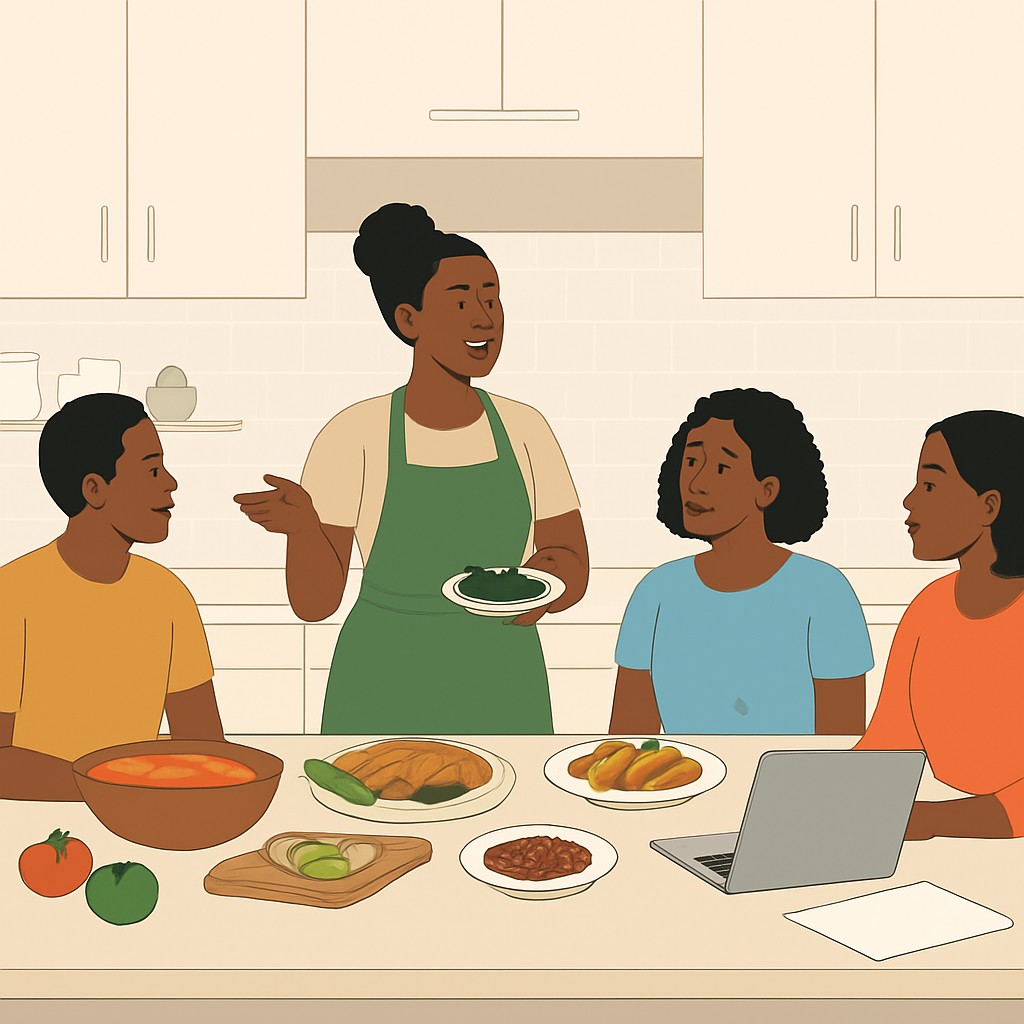
Eating Nutrient-Dense Nigerian Dishes on a Budget
This section explains strategies to enjoy Nigerian dishes without spending too much.
Implementing simple habits reduces food costs and preserves flavor.
Read the tips below to plan budget friendly meals.
Buy Seasonal Ingredients
Buy produce that is in season to lower costs.
Seasonal items are often fresher and more flavorful.
Visit local markets to find the best deals on produce.
You also support local farmers by buying locally.
- Purchase seasonal produce to save money and get fresher ingredients.
- Buy fruits and vegetables in season for lower prices and quality.
- Support local farmers by shopping at farmers markets for the best deals.
Opt for Cost-Effective Alternatives
Choose affordable proteins to replace expensive meats.
Select chicken or fish when they cost less than beef.
Use common herbs and spices instead of exotic seasonings to save money.
Shop at local and ethnic stores to find budget friendly substitutes.
- Replace pricey meats with chicken or fish for similar nutrition.
- Swap exotic spices for common herbs to maintain flavor at lower cost.
- Explore local markets for affordable ingredient substitutes and deals.
Prepare Simple and Delicious Recipes
Focus on simple recipes that require few ingredients.
Use pantry staples to avoid buying specialty items.
Choose recipes that balance nutrition and low cost.
Cook meals that preserve flavor while keeping costs down.
- Select one pot meals to save time and reduce waste.
- Rely on pantry staples that are affordable and versatile.
- Avoid recipes that require costly specialty items and extras.
Follow these budget friendly tips to enjoy nutrient dense Nigerian meals.
Use creativity and planning to prepare meals that nourish and save money.
Gain More Insights: Best Nigerian Foods to Increase Your Mineral Intake
Dining Out: How to Make Nutrient-Dense Choices at Nigerian Restaurants
When dining out at Nigerian restaurants, it can be tempting to indulge in fried dishes and large portions.
However, with a few simple strategies, you can make healthier choices that are still delicious and satisfying.
Here are some tips for making nutrient-dense choices when eating out.
Opt for Grilled or Steamed Dishes
Choose grilled or steamed dishes more often to lower unhealthy fat intake.
Grilled meats and fish provide bold flavor and satisfying texture without excess oil.
Also ask the restaurant to prepare your dish with less or no oil.
- Choose grilled or steamed dishes over fried ones to reduce unhealthy fats.
- Grilled meats and fish are flavorful and satisfying alternatives to fried options.
- Ask the restaurant if they can cook using less oil or no oil.
Practice Portion Control
Watch portion sizes to avoid overeating at restaurants that serve large portions.
Consider sharing a dish or packing half to take home for later.
Also listen to your body and stop when you feel satisfied, not stuffed.
- Avoid overeating by watching portion sizes because restaurants often serve generous portions.
- Share a dish with a friend or take half your meal home.
- Stop eating when you feel satisfied rather than finishing everything.
Read Menu Descriptions Carefully
Scan menu wording to learn how each dish is prepared and what it includes.
Look for words like grilled, steamed, baked, or fresh when choosing a dish.
Avoid dishes described as fried, crispy, deep-fried, or battered.
- Search for keywords such as ‘grilled’, ‘steamed’, ‘baked’, or ‘fresh’.
- Avoid dishes labeled fried, crispy, deep-fried, or battered.
- Menu descriptions give useful details about ingredients and cooking methods.
Request Modifications for Nutritional Value
Ask for substitutions or simple changes to boost a meal’s nutrition.
Request extra vegetables or a side salad instead of fries or rice.
Also ask to have sauces or dressings placed on the side for control.
- Ask for substitutions or modifications to increase nutrient density.
- Request extra vegetables or a side salad instead of fries or rice.
- Request sauces and dressings on the side so you control how much you use.
Follow these tips and make mindful choices to enjoy nourishing and tasty meals.
Balance matters and small changes add up to meaningful health benefits over time.
Nutrient-dense foods support a healthy diet.
Include more Nigerian nutrient-dense dishes for improved health benefits.
Please share your favorite nutrient-dense Nigerian recipes or dining experiences below.
Your posts can inspire others to make healthier food choices.
Let us prioritize health and well-being through nourishing foods together.
Small dietary changes can produce significant improvements in overall health.
Begin experimenting with nutrient-dense Nigerian dishes today to enjoy health benefits.
Additional Resources
Google search results for Nutrient-Dense Nigerian Dishes: A Guide Cultural Food Practices
Bing search results for Nutrient-Dense Nigerian Dishes: A Guide Cultural Food Practices


