




Molybdenum’s Role in Enzyme Function and Detoxification
Molybdenum supports enzyme function and detoxification processes in the human body.
It helps the body perform various metabolic reactions and break down certain substances.
Additionally, this mineral activates enzymes necessary for proper bodily function.
The mineral also assists detoxification by helping remove harmful substances from the body.
By supporting enzyme activity, molybdenum helps the body metabolize nutrients efficiently.
Furthermore, molybdenum helps detoxify sulfites, which can result from metabolism.
These processes support overall health and well-being.
Therefore, eating molybdenum-rich foods can support enzyme function and detoxification.
Legumes, nuts, seeds, and whole grains provide dietary sources of molybdenum.
Adequate molybdenum intake can support optimal health and wellness.
This vital mineral plays an important role in enzyme function and detoxification.
What Is Molybdenum?
Molybdenum is a chemical element with the symbol Mo and atomic number 42.
It appears as a silvery metal with a gray cast.
Additionally, it has the sixth-highest melting point among the elements.
Chemical Properties of Molybdenum
- Molybdenum has a high melting point of 2,623 degrees Celsius.
- It is a refractory metal, meaning it resists heat and wear.
- Furthermore, it is a transition metal with multiple oxidation states.
- Molybdenum has a density of 10.22 grams per cubic centimeter.
Where Molybdenum Occurs
Molybdenum does not occur free in nature.
Unlock the Power of Nigerian Food Minerals
Discover personalized Food Advisory tailored to boost your health or business using expert insights on Nigerian minerals.
Get StartedInstead, it occurs in various minerals.
Common examples include molybdenite, MoS2, and wulfenite, PbMoO4.
Molybdenum in Food Sources
Molybdenum is an essential trace mineral found in various foods.
Several plant-based foods provide this mineral.
- Legumes such as lentils, beans, and peas provide good sources of molybdenum.
- Grains, including oats and barley, also contain molybdenum.
- Moreover, nuts, leafy vegetables, and liver provide additional sources.
Functions of Molybdenum
Molybdenum supports enzyme activity and detoxification processes in the body.
This essential mineral helps enzymes perform important biochemical reactions.
It also assists the body in processing certain potentially harmful substances.
Molybdenum and Enzyme Activity
Enzymes act as catalysts that facilitate important biochemical reactions.
Molybdenum serves as a cofactor for several essential enzymes.
These enzymes use molybdenum within their active sites to function effectively.
- Xanthine oxidase participates in purine metabolism and nucleotide breakdown.
- Sulfite oxidase helps metabolize sulfur-containing amino acids and sulfite.
- Aldehyde oxidase contributes to aldehyde and xenobiotic metabolism.
Molybdenum in Detoxification Processes
Molybdenum also supports pathways that help the body process harmful substances.
Sulfite oxidase converts toxic sulfite into sulfate, which the body can excrete.
Aldehyde oxidase helps process aldehydes formed during alcohol metabolism and oxidative stress.
- Sulfite detoxification changes sulfite into the less harmful compound sulfate.
- Aldehyde detoxification supports the metabolism of aldehydes in the body.
- Phase II detoxification links toxins with compounds such as glutathione for elimination.
These detoxification pathways help protect cells and tissues from harmful substances.
Captivate Your Audience with Exclusive Nigerian Food Content
Imagine your platform enriched with unique, mineral-rich Nigerian cuisine stories that no one else can offer. Let's create content that resonates deeply and sets you apart.
Get StartedThey also support the removal of reactive oxygen species and other unwanted compounds.
Adequate molybdenum intake supports these enzyme-dependent processes.
See Related Content: Sodium: Maintains Fluid Balance and Nerve Function
Molybdenum Deficiency
Molybdenum deficiency can produce several symptoms and metabolic changes.
The body may struggle when molybdenum levels remain inadequate.
These effects can involve energy levels, sulfite processing, and metabolism.
Symptoms of Molybdenum Deficiency
- Fatigue can develop when molybdenum deficiency reduces energy levels.
- The body may show increased sensitivity to sulfites.
- Deficiency may hinder sulfite oxidase function.
- Urinary sulfite excretion may increase during deficiency.
- Metabolic disturbances may occur when molybdenum levels remain low.
Effects on Enzyme Function
Molybdenum deficiency can reduce the activity of enzymes that require this mineral.
As a result, those enzymes may not perform their functions optimally.
Consequently, metabolic processes that depend on these enzymes may become disrupted.
- Molybdenum supports the activity of several enzymes.
- Low molybdenum levels can hinder enzyme activity.
- Enzyme-dependent metabolic processes may become less efficient.
- Deficiency may compromise certain detoxification pathways.
Effects on Detoxification
Molybdenum helps the body process sulfites and other substances.
When deficiency occurs, the body may process these substances less efficiently.
Therefore, impaired processing may affect health and well-being.
- Molybdenum supports the detoxification of sulfites and other toxins.
- Deficiency can impair the body’s ability to process harmful substances.
- Substances may accumulate when detoxification pathways work inefficiently.
- Reduced detoxification efficiency may affect overall well-being.
Maintaining Adequate Molybdenum Intake
Adequate molybdenum intake supports enzyme activity and detoxification processes.
People can obtain molybdenum through dietary sources or supplements.
Maintaining adequate levels may help support these important body processes.
Gain More Insights: Fluoride: Protects Against Dental Cavities and Tooth Decay
Increased Antioxidant Activity
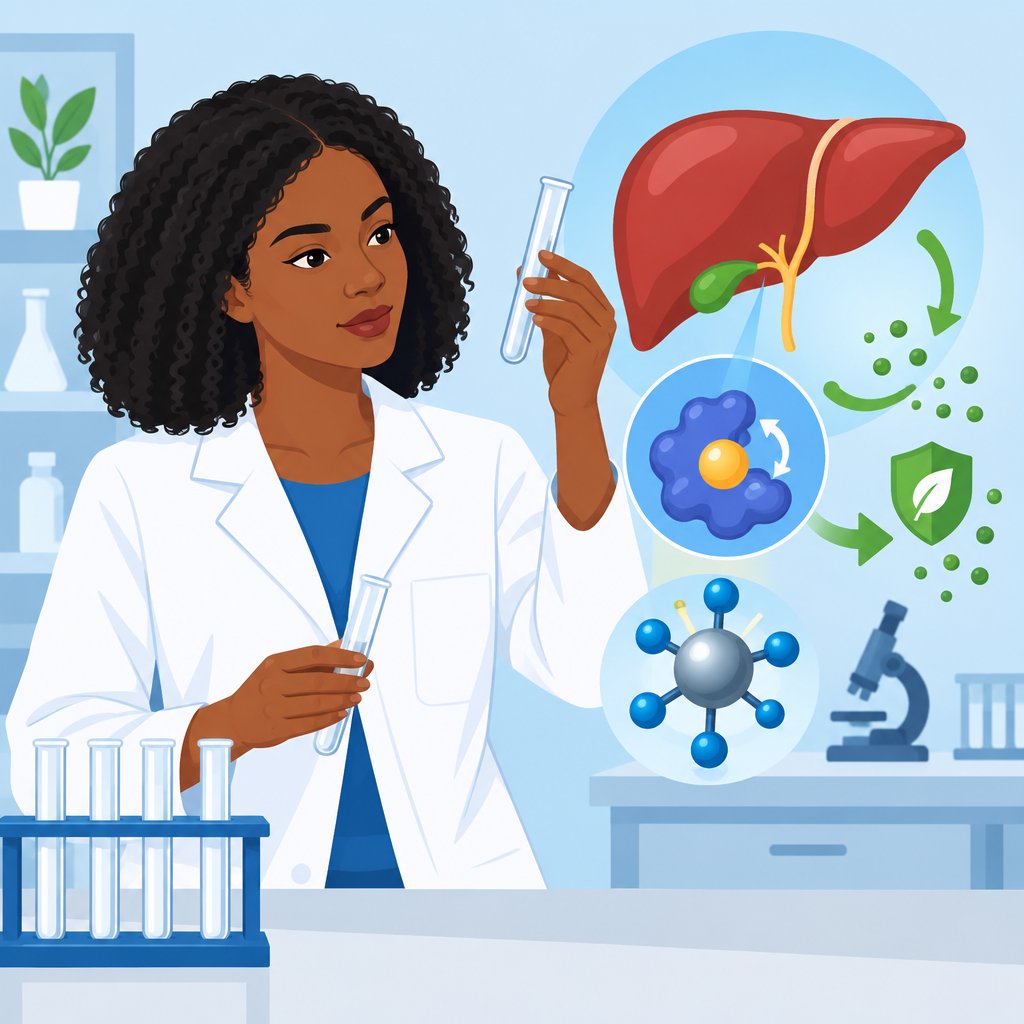
Molybdenum helps produce enzymes that act as antioxidants.
These enzymes help neutralize harmful free radicals in the body.
By combating oxidative stress, molybdenum supports overall health.
Improved Detoxification
Sulfite oxidase depends on molybdenum for proper function.
This enzyme helps convert sulfites into sulfates during detoxification.
As a result, this process supports the body’s removal of certain substances.
Enhanced Energy Production
Molybdenum supports the metabolism of carbohydrates and fats.
The body uses these nutrients to produce energy.
Consequently, efficient energy production can support daily vitality.
Healthy Nervous System
Molybdenum contributes to neurotransmitter production.
Neurotransmitters facilitate communication throughout the nervous system.
Therefore, adequate molybdenum levels support healthy nerve function.
Thyroid Function Support
Molybdenum participates in thyroid hormone production.
It also contributes to thyroid hormone synthesis and regulation.
Maintaining balanced molybdenum levels supports thyroid health.
Collagen Formation
Molybdenum supports the body’s collagen formation process.
Collagen provides structure for the skin, bones, and tissues.
Thus, adequate molybdenum levels may support collagen synthesis.
Immune System Function
Molybdenum helps maintain healthy immune system function.
It supports the production of immune cells and antibodies.
Accordingly, optimal molybdenum levels can support the immune response.
Optimized Enzyme Function
Molybdenum acts as a cofactor for several enzymes.
These enzymes participate in various biochemical processes.
Supporting enzyme activity helps the body maintain essential functions.
Molybdenum and Physiological Health
Molybdenum supports important physiological processes through its effects on enzyme activity.
Its contributions include antioxidant activity, nutrient metabolism, and sulfite processing.
Molybdenum-rich foods or supplements can help maintain adequate levels of this essential mineral.
You Might Also Like: Iodine: Crucial for Thyroid Function and Metabolism
Sources of Molybdenum
Molybdenum is an essential mineral that the body needs in small amounts.
It supports overall health and well-being through dietary intake.
Therefore, varied food choices can help provide this nutrient.
Common Food Sources of Molybdenum
Several food groups provide molybdenum through everyday dietary choices.
Legumes, whole grains, nuts, seeds, vegetables, and animal products contain this mineral.
Including different food groups can help diversify dietary molybdenum sources.
- Legumes, including lentils, peas, and beans, provide excellent sources of molybdenum.
- Whole grains, such as oats, barley, and quinoa, contain significant amounts of molybdenum.
- Nuts and seeds, including almonds, sunflower seeds, and flaxseeds, provide molybdenum.
- Dark leafy greens, such as spinach and kale, also contain molybdenum.
- Animal products, including liver, kidney, and dairy products, contain this mineral.
These foods offer practical options for adding molybdenum to meals and snacks.
People can combine these choices to create a varied diet.
Meanwhile, occasional inclusion of different sources can support dietary variety.
Ways to Include Molybdenum-Rich Foods
Simple meal choices can make molybdenum-rich foods easier to include regularly.
For example, legumes, whole grains, nuts, seeds, and leafy greens fit many meals.
Additionally, animal products can provide another dietary option when included occasionally.
- Add lentils or beans to soups, stews, or salads for a nutritious molybdenum source.
- Use quinoa or barley as a side dish or part of a main course.
- Snack on almonds, sunflower seeds, or flaxseeds for a molybdenum-rich option.
- Include spinach or kale in smoothies, salads, or stir-fries.
- Incorporate liver or kidney into meals occasionally to increase dietary molybdenum sources.
By diversifying food choices, people can include several sources of molybdenum in their diets.
Explore Further: Chromium: Enhances Insulin Function and Glucose Metabolism
Dietary Support for Molybdenum Intake
Molybdenum supports enzyme function during several metabolic processes.
It also helps the body convert toxic substances into harmless compounds.
Therefore, adequate dietary intake can support health and well-being.
Legumes, whole grains, and leafy greens provide dietary sources of molybdenum.
These foods can help people meet their daily molybdenum requirements.
Consequently, prioritizing molybdenum intake supports enzymatic functions and detoxification processes.
That support can contribute to overall health and wellness.
Additional Resources
Google search results for Molybdenum: Supports Enzyme Function and Detoxification Health Benefits
Bing search results for Molybdenum: Supports Enzyme Function and Detoxification Health Benefits


