



Importance of Mineral Intake
Minerals play a vital role in maintaining overall health and well-being.
Calcium, iron, zinc, magnesium, and potassium are essential minerals.
Incorporating mineral-rich foods in the Nigerian diet ensures proper nutrition.
Mineral-Rich Foods in Nigerian Cuisine
Nigerian cuisine offers many flavorful foods that provide essential minerals.
These foods appear regularly in household meals and local markets.
Therefore, people can include mineral-rich ingredients in everyday Nigerian dishes.
Natural Mineral Sources in Nigerian Ingredients
Vegetables, fruits, grains, and proteins supply minerals through varied Nigerian meals.
For example, these ingredients can provide iron, calcium, potassium, magnesium, and zinc.
Moreover, eating different food groups helps people obtain minerals from natural sources.
Traditional Dishes With Valuable Minerals
Several traditional dishes combine familiar ingredients with substantial mineral content.
Each dish offers a different combination of minerals from its main ingredients.
Consequently, varied meals can introduce several mineral sources into the diet.
- Egusi soup provides iron, magnesium, and zinc.
- Okra soup supplies calcium, potassium, and magnesium.
- Beans porridge contains iron, potassium, and zinc.
- Egusi seed stew offers calcium and magnesium.
Accessibility of Mineral-Rich Foods
Local markets commonly sell many vegetables, fruits, grains, and proteins rich in minerals.
These foods also offer affordable choices for people managing household food costs.
Additionally, local cultivation and nearby markets can make these ingredients easier to obtain.
Unlock the Power of Nigerian Food Minerals
Discover personalized Food Advisory tailored to boost your health or business using expert insights on Nigerian minerals.
Get StartedRecommended Daily Mineral Intake by Age
Mineral requirements vary across different stages of life.
Children, teenagers, adults, and older people need different amounts.
The listed values focus on calcium, iron, and zinc intake.
Children Aged 1 to 8 Years
Children need minerals to support growth and development.
They also require nutrients that support immunity and cognitive function.
Mineral deficiencies may cause stunted growth, weakened immunity, and cognitive impairments.
- Calcium: 700 mg
- Iron: 7-10 mg
- Zinc: 3-5 mg
Teenagers Aged 9 to 18 Years
Teenagers experience rapid growth and development during puberty.
Therefore, their mineral requirements increase during this period.
Deficiencies can contribute to fatigue, poor concentration, and delayed growth.
- Calcium: 1300 mg
- Iron: 11-15 mg
- Zinc: 8-11 mg
Adults Aged 19 to 50 Years
Adults need minerals to maintain bone density.
These nutrients also support metabolism and normal body functions.
Adequate intake may help prevent anemia and osteoporosis.
- Calcium: 1000 mg
- Iron: 8-18 mg
- Zinc: 8-11 mg
Adults Aged 51 Years and Older
Older adults may absorb minerals less efficiently.
Consequently, meeting mineral requirements remains important with advancing age.
Captivate Your Audience with Exclusive Nigerian Food Content
Imagine your platform enriched with unique, mineral-rich Nigerian cuisine stories that no one else can offer. Let's create content that resonates deeply and sets you apart.
Get StartedSuitable intake can help prevent osteoporosis and frailty.
- Calcium: 1200 mg
- Iron: 8 mg
- Zinc: 8-11 mg
Health Effects of Mineral Imbalances
Mineral deficiencies can affect several aspects of health.
Possible effects include weakened immunity, impaired cognition, anemia, and bone disorders.
Excessive intake can also create health risks.
Calcium Deficiency and Excess
Insufficient calcium can contribute to osteoporosis.
However, excessive calcium intake may cause kidney stones.
Excess intake may also create cardiovascular concerns.
Iron Deficiency and Excess
Insufficient iron can cause anemia.
Excessive iron intake can damage organs.
The liver and heart may experience harm from excessive iron.
Zinc Deficiency and Excess
Zinc deficiency may compromise immune function.
Too much zinc can interfere with copper absorption.
Excess zinc may also cause gastrointestinal problems.
Dietary Strategies for Meeting Mineral Needs
Food choices can help people meet their daily mineral requirements.
A varied eating pattern provides several opportunities to obtain essential minerals.
Professional guidance can help address individual dietary challenges.
Varied Food Choices
Include leafy greens, dairy products, lean meats, nuts, and seeds.
Whole grains can also contribute minerals to daily meals.
Combining different foods supports a broader nutrient intake.
Fortified Foods
Fortified cereals can help increase mineral intake.
Fortified plant-based milks provide another dietary option.
People can also discuss nutritional supplements with a professional.
Mineral-Preserving Cooking Methods
Cooking methods can influence the nutrients retained in food.
Steaming vegetables helps preserve their mineral content.
Choose preparation methods that support nutrient retention.
Balanced Meals
Build meals with protein, carbohydrates, healthy fats, and mineral-rich foods.
This combination supports balanced daily nutrition.
Regularly planned meals can make mineral targets easier to reach.
Professional Nutrition Guidance
Some people may struggle to meet mineral needs through food alone.
A nutritionist can review dietary patterns and identify possible gaps.
The professional can determine whether supplements are necessary.
Explore Further: Mineral Intake Guide: Nigerian Diet Plans to Follow
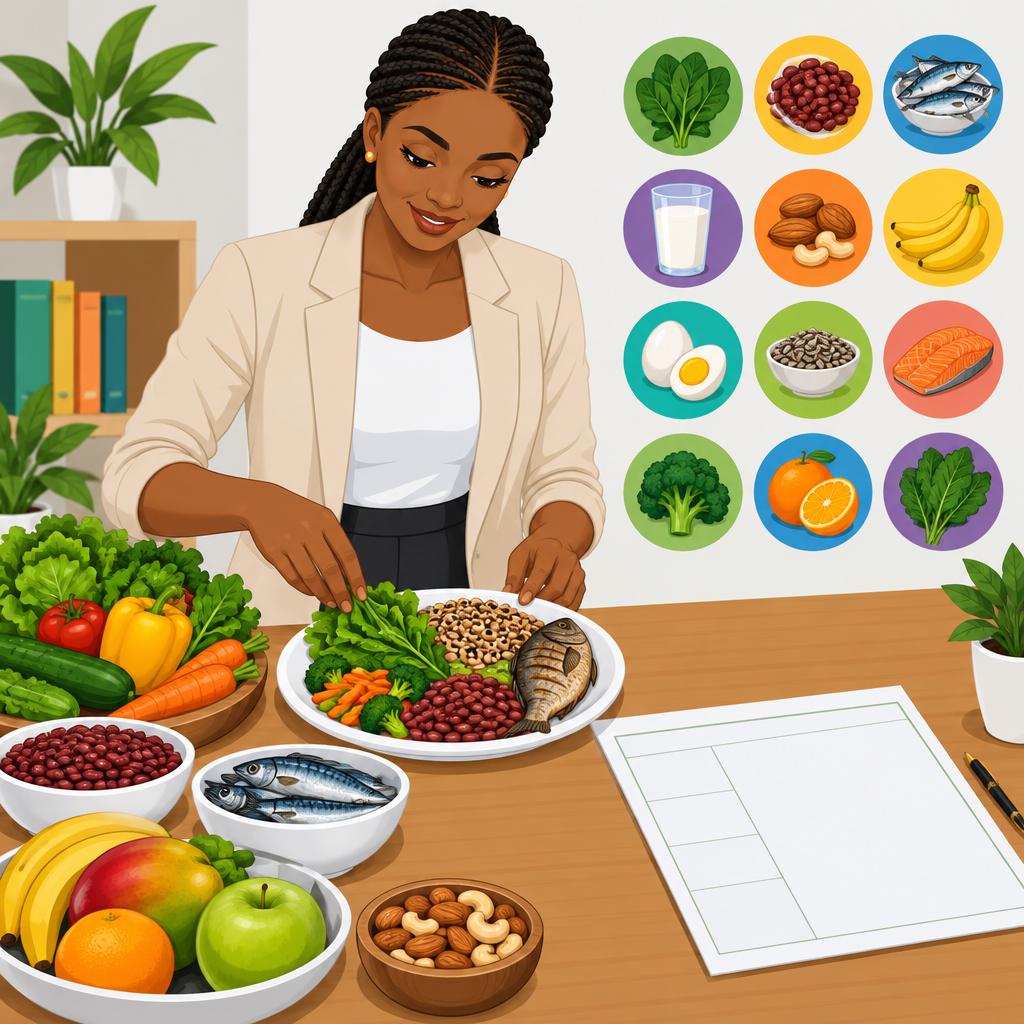
Sample Mineral-Rich Diet Plans for Different Lifestyles
These meal plans pair varied foods with practical choices for different lifestyles.
Vegetarian options combine plant foods with eggs, dairy, nuts, and seeds.
Non-vegetarian options include seafood, poultry, eggs, and other animal foods.
Vegetarians can use the following meal plan.
- Breakfast: Spinach and feta omelette with whole grain toast.
- Lunch: Quinoa salad with chickpeas, avocado, and mixed vegetables.
- Dinner: Lentil curry with brown rice and sauteed kale.
- Snack: Almonds or Greek yogurt with fresh fruits.
- Beverage: Chia seed smoothie with almond milk.
Non-vegetarians can follow this alternative meal plan.
- Breakfast: Smoked salmon on a whole grain bagel with cream cheese.
- Lunch: Grilled chicken Caesar salad with a side of sweet potato.
- Dinner: Baked salmon with quinoa pilaf and steamed asparagus.
- Snack: Beef jerky or boiled eggs.
- Beverage: Protein shake with banana and spinach.
Sample Mineral-Rich Nigerian Dishes
Nigerian dishes can provide varied meal ideas for different times of day.
These examples feature beans, vegetables, fish, chicken, grains, and plantains.
Each meal combines familiar dishes with accompanying foods and vegetables.
- Breakfast: Moi Moi, or steamed bean pudding, with plantains and vegetable stew.
- Lunch: Efo Riro, or spinach stew, with grilled fish and amala, or yam flour.
- Dinner: Jollof rice with baked chicken and coleslaw salad.
Snack and Beverage Options for Daily Mineral Needs
Snacks can complement meals with convenient choices between breakfast, lunch, and dinner.
Beverages can accompany meals or provide additional variety throughout the day.
People can choose options that suit their preferences and daily routines.
Snack options include the following choices.
- Roasted plantain chips or groundnut cakes.
- Fruit salad with peanuts or cashews.
Beverage options include the following choices.
- Palm wine or freshly squeezed orange juice.
- Hibiscus tea, also called Zobo, or Tigernut milk, also called Kunu aya.
By incorporating these mineral-rich plans and Nigerian dishes, you can support varied daily meals.
Remember to stay hydrated and consult a nutritionist or dietitian for personalized guidance.
See Related Content: Effective Diet Plans for Mineral Balance in Nigeria
Importance of Proper Food Preparation Techniques
Proper food preparation techniques help retain minerals in ingredients.
Cooking choices can change the mineral content that foods provide.
Therefore, careful preparation supports an adequate intake of essential minerals.
Impact of Cooking Methods on Mineral Retention
Different cooking methods affect mineral retention in foods.
For example, boiling can move minerals into the cooking water.
Consequently, boiling may reduce the minerals remaining in the food.
Tips for Preserving Minerals During Cooking
Cooks can reduce mineral loss by selecting suitable preparation methods.
Steaming, roasting, grilling, and stir-frying provide alternatives to boiling.
These methods help preserve the mineral content of ingredients during cooking.
Benefits of Raw and Minimally Processed Foods
Raw or minimally processed foods contain vitamins and minerals.
Including these foods can help maintain healthy mineral intake in the diet.
For instance, salads, smoothies, and fresh fruits can increase daily mineral intake.
Learn More: Nigerian Meal Plans for Essential Mineral Balance
Cultural Practices That Influence Mineral Intake
In Nigerian households, cultural practices significantly shape dietary habits.
Traditional foods such as pounded yam, egusi soup, and jollof rice remain popular choices.
However, these meals may not always provide enough minerals for optimal health.
Cooking methods and ingredient choices can reduce their mineral contribution.
Therefore, households should identify practices that limit mineral intake.
Prolonged cooking may reduce the mineral content of some foods.
Excessive oil can also reduce the nutritional quality of meals.
Moreover, urban households may rely on processed convenience foods.
These foods may contain fewer essential nutrients than fresh alternatives.
Traditional Beliefs That Affect Meal Nutrition
Traditional beliefs and habits can also influence meal quality.
Some cooks overcook vegetables because they prefer soft textures.
However, this practice may reduce water-soluble vitamins and minerals.
Similarly, frequent frying can add unnecessary calories and unhealthy fats.
These changes may weaken the overall nutritional value of meals.
Consequently, families can learn how preparation choices affect mineral intake.
Education can encourage nutrient-dense foods and suitable cooking techniques.
Fresh fruits, vegetables, lean proteins, and whole grains can support balanced meals.
Adapting Traditional Recipes for Mineral Absorption
Families can adapt traditional recipes while maintaining their cultural food practices.
Adding varied fruits and vegetables can increase mineral intake.
For example, leafy greens such as spinach or kale can enrich soups and stews with iron.
Additionally, steaming, sauteing, or slow cooking may retain more nutrients than boiling or frying.
Pairing vitamin C sources with iron-rich foods can improve iron absorption.
Citrus fruits and bell peppers provide vitamin C for this purpose.
Beans and lean meats provide examples of iron-rich foods.
Small recipe adjustments can help Nigerians obtain essential minerals.
These changes support nutrient-dense meals while respecting cultural food preferences.
You Might Also Like: Healthy Nigerian Diet Plans for Essential Minerals
Mineral Intake and Long-Term Health
Prioritizing mineral intake helps Nigerians support optimal health and prevent deficiencies.
Additionally, mineral-rich foods support various bodily functions and promote overall well-being.
Neglecting minerals can contribute to health problems and weaken healthy dietary patterns.
Therefore, Nigerians should include diverse mineral-rich foods in their meals.
People can experiment with different meal plans and recipes to identify suitable choices.
Moreover, proactive choices help individuals take greater control of their health and well-being.
Small dietary changes can increase mineral-rich food consumption over time.
Trying new foods and meal plans can support healthier choices for a brighter future.
Additional Resources
Google search results for Ensuring Mineral Intake: Diet Plans for Nigerians Diet Plans
Bing search results for Ensuring Mineral Intake: Diet Plans for Nigerians Diet Plans


