




Introduction
Magnesium is essential for energy levels and overall health.
Symptoms of deficiency include fatigue and muscle cramps.
Nigerian meals are rich sources of magnesium that can help boost energy levels.
Overview of Magnesium
Magnesium is a crucial mineral that plays a vital role in the body’s energy production process.
This mineral is involved in over 300 biochemical reactions.
Magnesium helps convert food into energy effectively.
Role of Magnesium in Energy Production
Magnesium is essential for the activation of ATP.
ATP serves as the primary source of energy in cells.
It also helps in the synthesis of DNA and RNA.
This synthesis aids in proper energy metabolism.
Recommended Daily Intake of Magnesium
- The recommended daily intake for adult males is 400-420 milligrams.
- For adult females, the intake is 310-320 milligrams.
- Pregnant and lactating women require higher doses, around 350-360 milligrams per day.
Health Benefits of Maintaining Adequate Magnesium Levels
- It supports muscle and nerve function and helps maintain a healthy heartbeat.
- Magnesium regulates blood sugar and blood pressure, reducing heart disease risk.
- It strengthens bones and improves bone density to prevent osteoporosis.
- Magnesium relieves migraine symptoms and lowers headache frequency.
- This mineral enhances exercise performance by boosting energy and reducing fatigue.
Maintaining adequate magnesium levels is crucial for optimal health and well-being.
Magnesium-rich Nigerian Foods
Incorporating magnesium-rich foods is essential for boosting your energy levels.
Nigerian cuisine offers several traditional dishes naturally high in magnesium content.
Traditional Nigerian Foods High in Magnesium Content
- Vegetable Soups: soups like Efo riro, Edikang Ikong, and Okro soup contain magnesium-rich vegetables such as spinach and okra.
- Beans: Nigerian Jollof rice served with beans, Moi Moi, and Akara provide excellent magnesium sources.
- Seafood: dishes like Grilled Tilapia fish, Prawn stir-fry, and Catfish pepper soup offer high magnesium and other nutrients.
- Nuts and seeds: snacks such as Groundnut cakes (Kuli Kuli), Tiger nuts, and Watermelon seeds are great magnesium options.
Specific Ingredients and Dishes That Are Good Sources of Magnesium
- Ingredients: Spinach, Okra, Beans, Rice, Fish (Tilapia, Catfish), Prawns, Groundnuts, Tiger nuts, Watermelon seeds.
- Dishes: Efo riro, Edikang Ikong, Okro soup, Jollof rice with beans, Moi Moi, Akara, Grilled Tilapia, Prawn stir-fry, Catfish pepper soup, Kuli Kuli.
Incorporating Magnesium-rich Nigerian Foods into a Balanced Diet
You can include these magnesium-rich foods in your daily diet to maintain optimal energy levels.
- Include vegetables in your meals: Cook Nigerian vegetable soups using spinach, okra, and other magnesium-rich greens.
- Pair beans with rice: Enjoy Jollof rice with beans or have Moi Moi and Akara as protein-rich snacks.
- Opt for seafood: Prepare Grilled Tilapia, Prawn stir-fry, or Catfish pepper soup for magnesium and omega-3 benefits.
- Snack on nuts and seeds: Eat Groundnut cakes (Kuli Kuli), Tiger nuts, or Watermelon seeds for quick nutrition.
By including magnesium-rich Nigerian foods, you provide your body with nutrients to support energy and function at its best.
Unlock the Power of Nigerian Food Minerals
Discover personalized Food Advisory tailored to boost your health or business using expert insights on Nigerian minerals.
Get StartedDelve into the Subject: Vitamin C-Rich Fruits and Vegetables in Nigeria
Cooking Methods to Retain Magnesium
Cooking Nigerian meals requires methods that preserve magnesium content.
Certain techniques help maintain the nutrient value of foods during preparation.
The following tips will help you retain magnesium in your dishes effectively.
Steaming as a Nutrient-Preserving Method
- Steaming cooks vegetables without losing their nutrients, including magnesium.
- This method retains more magnesium compared to boiling or frying.
- Steam vegetables for a short time to avoid loss of water-soluble vitamins and minerals.
Grilling and Roasting to Maintain Nutrient Density
- Grilling or roasting meats and vegetables helps preserve magnesium content.
- These methods allow foods to cook in their juices, keeping nutrients concentrated.
- Avoid overcooking as it causes loss of nutrients, including magnesium.
Stir-Frying for Quick and Nutritious Cooking
- Stir-frying is a fast cooking method that preserves magnesium in foods.
- Use healthy oils like olive or coconut oil to improve flavor and maintain nutrients.
- Cook vegetables and meats quickly on high heat to retain essential nutrients.
Applying these cooking methods ensures maximum magnesium retention in Nigerian meals.
Proper cooking avoids nutrient loss, enhancing the health benefits of your food.
Delve into the Subject: Nigerian Foods Rich in Zinc for Immune Support
The Impact of Magnesium on Energy Levels
Magnesium plays a crucial role in energy metabolism by activating ATP.
ATP is the main energy-carrying molecule in our cells.
Adequate magnesium intake supports the function of enzymes involved in energy production.
This support helps combat fatigue effectively.
Magnesium is essential for overall energy levels.
It aids in synthesizing proteins and DNA required for energy production.
- To optimize magnesium absorption, consume magnesium-rich foods such as leafy greens, nuts, seeds, and whole grains.
- Pair magnesium-rich foods with vitamin C-rich foods to enhance absorption.
- Vitamin C helps convert magnesium into its active form.
- Avoid high doses of calcium and zinc supplements as they interfere with magnesium absorption.
Methods to Enhance Magnesium Absorption and Energy
Consuming a range of magnesium-rich foods helps maintain proper levels.
Captivate Your Audience with Exclusive Nigerian Food Content
Imagine your platform enriched with unique, mineral-rich Nigerian cuisine stories that no one else can offer. Let's create content that resonates deeply and sets you apart.
Get StartedIncluding vitamin C-rich foods improves magnesium conversion and uptake.
Limiting calcium and zinc intake prevents competition with magnesium absorption.
Uncover the Details: Sodium in Nigerian Foods: Healthy Intake Tips
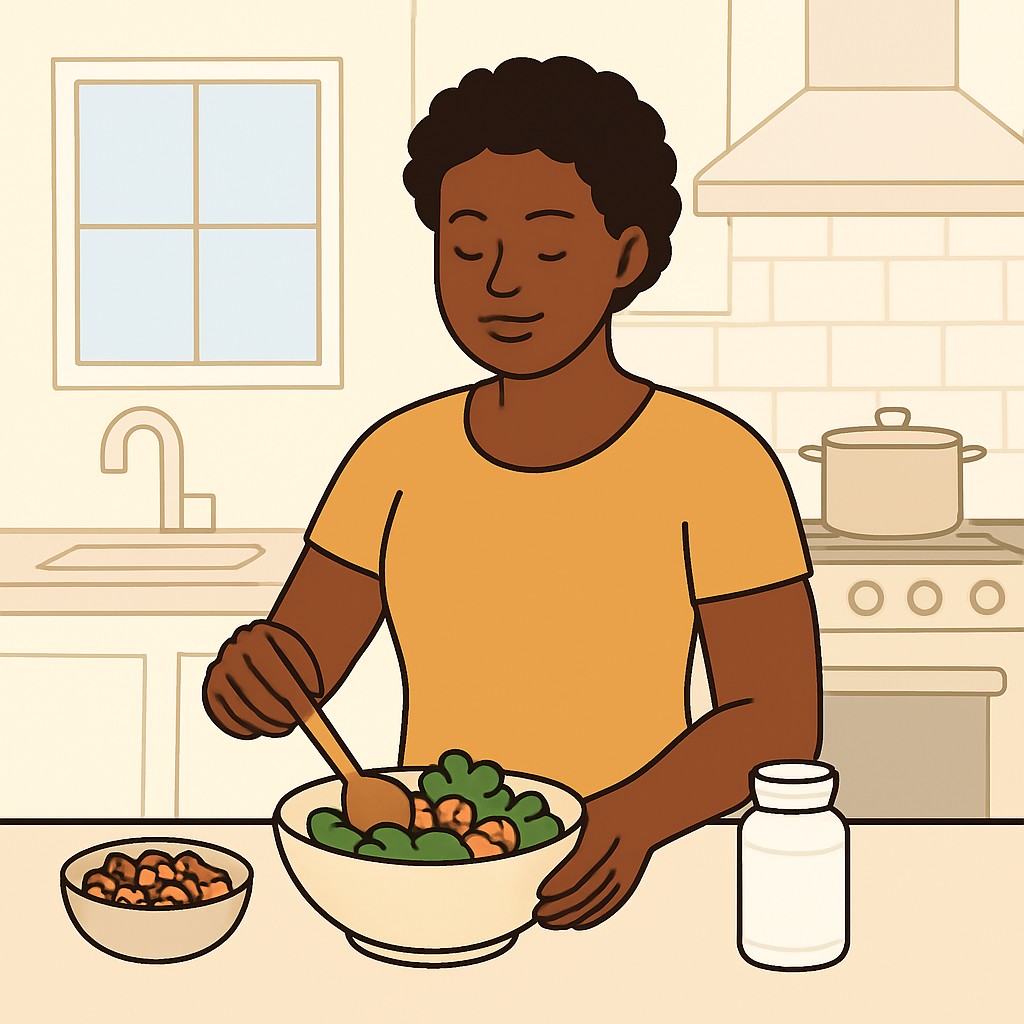
Dietary Guidelines for Magnesium Intake
Include leafy greens like spinach and bitter leaf in your daily meals.
Opt for nuts and seeds such as almonds, pumpkin seeds, and sunflower seeds.
Choose whole grains like brown rice, millet, and oats to boost magnesium intake.
Incorporate beans and legumes like black beans, kidney beans, and lentils into your diet.
Consume more fish, especially mackerel and salmon, which are rich in magnesium.
- Include leafy greens like spinach and bitter leaf in your daily meals.
- Opt for nuts and seeds such as almonds, pumpkin seeds, and sunflower seeds.
- Choose whole grains like brown rice, millet, and oats to boost magnesium intake.
- Incorporate beans and legumes like black beans, kidney beans, and lentils into your diet.
- Consume more fish, especially mackerel and salmon, which are rich in magnesium.
Meal Planning Tips for Balanced Magnesium Intake
Plan your meals in advance to ensure variety and adequate magnesium intake.
Include magnesium-rich foods in each meal or snack throughout the day.
Experiment with different recipes to make eating magnesium-rich foods interesting.
Use herbs and spices like basil, coriander, and cumin to add flavor to your dishes.
Consider meal prepping to have magnesium-rich meals ready for busy days.
- Plan your meals in advance to ensure variety and adequate magnesium intake.
- Include magnesium-rich foods in each meal or snack throughout the day.
- Experiment with different recipes to make eating magnesium-rich foods interesting.
- Use herbs and spices like basil, coriander, and cumin to add flavor to your dishes.
- Consider meal prepping to have magnesium-rich meals ready for busy days.
The Role of Variety in Maintaining Nutrient Adequacy
Eating a variety of foods ensures that you get a wide range of nutrients.
This includes magnesium, which supports many body functions.
Each food group provides different essential nutrients necessary for overall health.
Rotate your menu weekly to prevent nutrient deficiencies and avoid monotony.
Try new fruits, vegetables, grains, and proteins to enhance nutrient intake.
Consider consulting a nutritionist for personalized diet plans tailored to your magnesium needs.
- Eating a variety of foods ensures that you get a wide range of nutrients, including magnesium.
- Each food group provides different essential nutrients necessary for overall health.
- Rotate your menu weekly to prevent nutrient deficiencies and monotony in meals.
- Try new fruits, vegetables, grains, and proteins to enhance your nutrient intake.
- Consult a nutritionist for personalized diet plans tailored to your magnesium needs.
Find Out More: Iron in Nigerian Foods: Benefits and Best Sources
Addressing Magnesium Deficiency
When it comes to magnesium deficiency, understanding the risks is crucial.
You must maintain good health and overall well-being by being aware of these risks.
Risks and Consequences of Magnesium Deficiency
- Increased risk of cardiovascular disease
- Muscle cramps and weakness
- Insomnia and poor sleep quality
- High blood pressure
- Weak bones and osteoporosis
Those are some examples of potential risks related to magnesium shortage.
Being aware helps you take effective preventative measures timely.
Strategies for Identifying and Addressing Magnesium Deficiencies
- Include magnesium-rich foods like leafy greens, nuts, seeds, and whole grains
- Consider magnesium supplements if you have a known deficiency
- Consult a healthcare professional for personalized recommendations
- Monitor magnesium levels through periodic blood tests
- Watch out for medications that may lower magnesium levels in your body
Applying these strategies in daily life helps you effectively address magnesium issues.
Early action prevents deficiencies from developing into serious health problems.
Importance of Medical Advice for Severe Magnesium Deficiencies
If you suspect a severe magnesium deficiency, seek medical advice immediately.
Healthcare professionals can perform tests to diagnose your condition accurately.
They will then recommend the most suitable treatment plan for you.
Ignoring severe magnesium deficiencies can cause serious health complications.
Therefore, it is essential to prioritize your health and act promptly.
Significance of Magnesium for Energy and Health
Magnesium plays a vital role in boosting energy levels.
It also helps maintain overall health effectively.
Individuals should include magnesium-rich Nigerian foods in their daily diets.
Making conscious dietary choices ensures meeting daily magnesium needs.
Meeting these needs supports optimal health and wellbeing.
Additional Resources
Nutraceutical values of natural honey and its contribution to human …
RETRACTED: The interplay between monosodium glutamate (MSG …


