



Introduction
Iron deficiency is a common nutritional disorder.
It affects many people worldwide.
The condition develops when the body lacks enough iron to meet its needs.
Definition of Iron Deficiency
Iron deficiency means the body lacks enough iron.
The body needs iron to produce hemoglobin.
Hemoglobin carries oxygen to the body’s tissues.
Importance of Iron in the Body
Iron supports many vital functions in the body.
It helps produce red blood cells and supports energy metabolism.
Iron also contributes to growth, development, oxygen transport, and immune function.
Untreated iron deficiency can cause significant health effects.
Causes of Iron Deficiency
- A diet lacking iron-rich foods can cause iron deficiency.
- Celiac disease, inflammatory bowel disease, and gastric bypass surgery can impair iron absorption.
- Heavy periods, ulcers, and surgeries that cause blood loss can deplete iron.
Iron deficiency can cause fatigue, weakness, pale skin, shortness of breath, and dizziness.
Dietary Solutions for Iron Deficiency
- Choose lean meats, seafood, beans, lentils, tofu, and iron-fortified cereals.
- Pair iron-rich foods with vitamin C-rich foods, including citrus fruits, strawberries, bell peppers, and tomatoes.
- Coffee, tea, and dairy products can inhibit iron absorption.
- Consult a healthcare provider before starting supplements when dietary changes do not correct deficiency.
Vitamin C improves the body’s ability to absorb iron from foods.
Therefore, avoid coffee, tea, and dairy products during meals containing iron-rich foods.
A balanced diet with varied iron-rich foods supports healthy iron levels.
Recognizing Common Symptoms
Iron deficiency can make everyday activities feel more difficult.
Unlock the Power of Nigerian Food Minerals
Discover personalized Food Advisory tailored to boost your health or business using expert insights on Nigerian minerals.
Get StartedRecognizing changes early helps people discuss appropriate testing with a healthcare provider.
Several symptoms may appear together, although other conditions can cause similar signs.
- Fatigue and weakness: Low iron can reduce oxygen transport, causing persistent tiredness and weakness.
- Pale skin and nail beds: Reduced hemoglobin can make the skin and nail beds look paler than usual.
- Shortness of breath: Low iron may cause breathlessness, even during mild physical exertion.
- Dizziness and headaches: Reduced oxygen delivery may contribute to dizziness, lightheadedness, and frequent headaches.
Dietary Strategies for Iron Intake
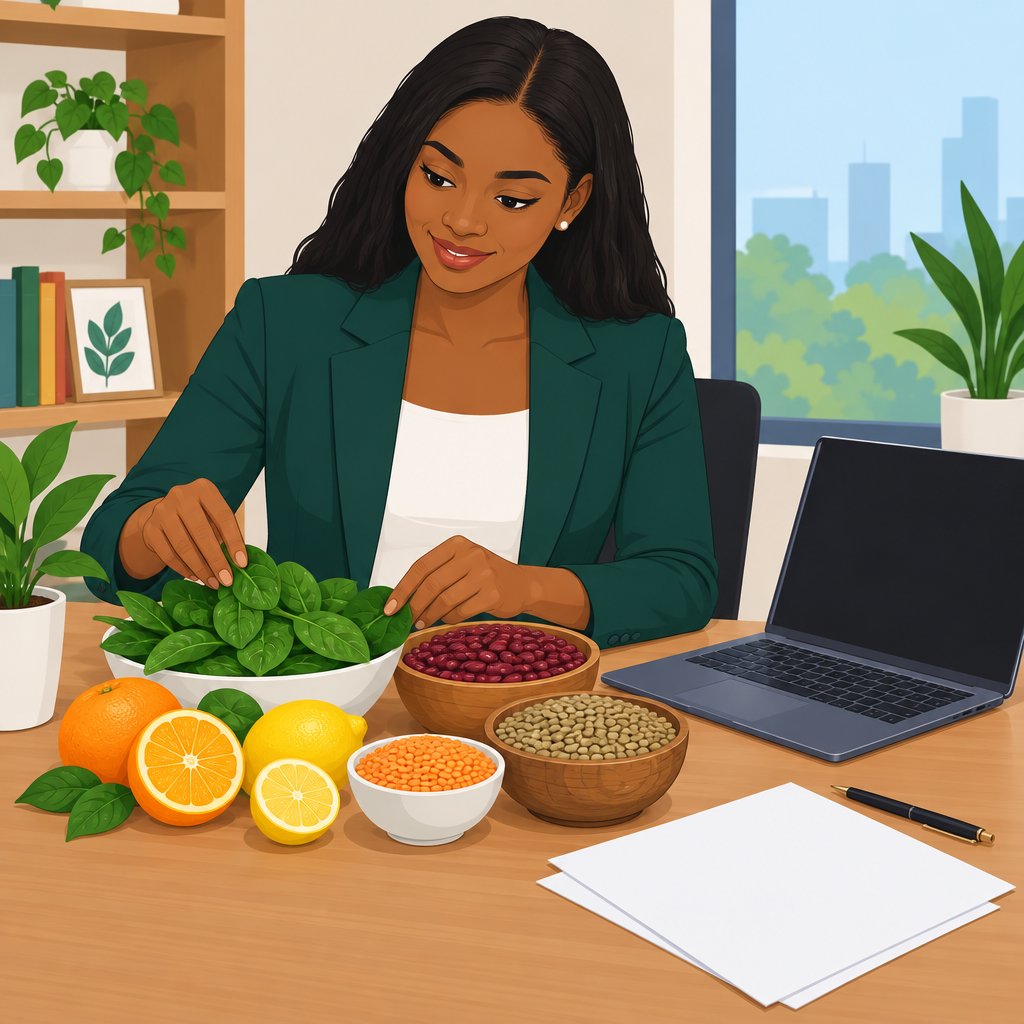
People can support iron intake by including both animal and plant-based sources.
Heme iron from animal foods is generally easier for the body to absorb.
Plant-based foods provide non-heme iron and can also contribute to daily intake.
- Red meat, poultry, and seafood provide heme iron.
- Beans and lentils provide plant-based non-heme iron.
- Spinach and fortified cereals can also increase iron intake.
Vitamin C can improve absorption of non-heme iron.
Citrus fruits, bell peppers, and tomatoes provide useful vitamin C.
Calcium-rich foods, tea, and coffee may reduce absorption when consumed with iron-rich meals.
Separating these foods and beverages from iron-rich meals may help maximize absorption.
Considering Iron Supplementation
Some people may need supplements when diet alone does not meet their iron needs.
Individuals with severe deficiency should discuss supplementation with a healthcare provider.
A healthcare provider or registered dietitian can help determine an appropriate dosage.
Professional guidance supports safer decisions based on individual requirements.
Addressing symptoms promptly can help people manage deficiency and support daily well-being.
Captivate Your Audience with Exclusive Nigerian Food Content
Imagine your platform enriched with unique, mineral-rich Nigerian cuisine stories that no one else can offer. Let's create content that resonates deeply and sets you apart.
Get StartedDiscover More: How to Combat Chloride Deficiency with Nigerian Foods
Diagnosing Iron Deficiency
Iron deficiency affects many people, particularly women, children, and vegetarians.
Healthcare providers use diagnosis to select treatment and prevent potential complications.
They combine blood tests, physical examinations, and medical history reviews.
- Blood tests measure ferritin, a protein that stores iron in the body.
- Physical examinations check for signs such as fatigue, pale skin, shortness of breath, and brittle nails.
- Medical history reviews examine diet, menstrual cycles, and previous conditions that could contribute to deficiency.
Blood Tests for Ferritin Levels
Blood tests provide the most common method for diagnosing iron deficiency.
Ferritin levels reveal valuable information about the body’s iron stores.
Low ferritin levels suggest depleted iron stores and possible iron deficiency.
However, inflammation or infection can affect ferritin levels.
Therefore, healthcare providers may order additional blood tests to confirm the diagnosis.
Physical Examination and Signs of Deficiency
During an examination, healthcare providers assess physical signs associated with iron deficiency.
These signs can include pale skin, fatigue, weakness, shortness of breath, dizziness, and brittle nails.
Providers may also examine the tongue and mouth for inflammation or unusual coloration.
Severe deficiency may produce an increased heart rate or a systolic heart murmur.
Review of Medical History
Healthcare providers review medical history to identify possible risk factors for iron deficiency.
They may ask about diet, menstrual cycles, pregnancy, and chronic medical conditions.
Previous surgeries, blood loss, and medications can also provide relevant information.
Some medications may affect iron absorption.
This review helps providers identify underlying causes and develop an appropriate treatment plan.
Early detection and treatment can help prevent complications and support better health.
Explore Further: How to Identify and Address Sulfur Deficiency in Diet
Dietary Solutions for Iron Deficiency
A varied diet can provide iron from both animal and plant-based foods.
Pairing iron-rich foods with vitamin C can help the body absorb iron more effectively.
Separating calcium-rich foods from iron-rich meals can help maximize iron absorption.
- Increase consumption of iron-rich foods like red meat, poultry, beans, and leafy greens.
- Pair iron-rich foods with vitamin C to enhance absorption.
- Avoid consuming calcium-rich foods or beverages with iron-rich foods.
Iron-Rich Foods to Include in Your Diet
Include a variety of iron-rich foods in daily meals when addressing iron deficiency.
Red meat, poultry, seafood, beans, lentils, tofu, spinach, and kale provide dietary iron.
These choices can increase dietary iron intake and support efforts to address deficiency.
Enhancing Iron Absorption with Vitamin C
Vitamin C helps the body absorb iron more effectively.
Combine iron-rich foods with citrus fruits, strawberries, bell peppers, or tomatoes.
This pairing can improve iron availability for the body to absorb and use.
Iron Inhibitors to Avoid
Some substances can reduce iron absorption when consumed with iron-rich foods.
Calcium-rich foods and beverages, including dairy products, can hinder iron absorption.
Therefore, consume these foods separately from iron-rich meals to support absorption.
Gain More Insights: Signs of Potassium Deficiency and How to Increase Intake
Available Iron Supplement Types
Iron supplements can provide an important treatment option for people with iron deficiency anemia.
Several forms are available, and each one may suit different needs.
A healthcare provider can help determine which form and dosage best fits your situation.
- Ferrous sulfate is the most common over-the-counter iron supplement.
- Ferrous gluconate may provide a gentler option for the stomach.
- Ferrous fumarate is considered highly absorbable and may suit people with low iron levels.
Common Side Effects of Iron Supplements
Iron supplements can cause digestive changes, especially when someone first begins taking them.
However, people can often manage these effects with appropriate guidance.
Some changes may appear harmless, while others may require advice from a healthcare provider.
- Constipation commonly occurs and may improve when people increase their fiber intake.
- Some people experience stomach discomfort or nausea after taking iron supplements.
- Iron supplements can turn stools black, which is usually normal and harmless.
Why Professional Guidance Matters
People should consult a healthcare provider before starting an iron supplement regimen.
Professional guidance helps identify an appropriate supplement type and dosage.
Providers can monitor iron levels, adjust treatment, and review possible interactions.
- A healthcare provider can determine the right supplement type and dosage for individual needs.
- Regular monitoring allows providers to adjust treatment according to iron levels.
- Professional advice can identify interactions with other medications or supplements.
Self-medicating with iron supplements can cause serious health complications.
Therefore, always seek professional guidance before using these supplements.
Gain More Insights: Symptoms of Fluoride Deficiency and Dietary Sources
Maintaining Healthy Iron Levels
Iron supports oxygen transport and energy production.
Regularly monitoring iron levels can help identify changes early.
A balanced diet supports healthy iron intake and overall well-being.
Therefore, seek medical advice when iron deficiency symptoms appear.
Healthcare professionals can guide appropriate treatment and management.
Small dietary adjustments may improve iron intake and support an active lifestyle.
Stay proactive by making informed choices about iron-rich foods.


