




Introduction
Copper is a vital mineral.
It plays a crucial role in enhancing heart and brain health for Nigerians.
Importance of Copper in Promoting Heart and Brain Health
Copper is essential for the formation of red blood cells.
It helps maintain healthy nerve cells.
Copper supports the immune system as well.
Essential Role of Copper in the Body
Copper is involved in various enzymatic reactions in the body.
These reactions include the production of energy.
Copper also helps form connective tissues.
Significance of Maintaining Adequate Copper Levels in the Diet
Adequate copper levels in the diet are crucial for preventing cardiovascular diseases.
They also support cognitive function effectively.
Furthermore, sufficient copper reduces the risk of neurodegenerative disorders.
The benefits of copper for heart health
Copper is essential for maintaining a healthy heart.
It aids in the formation of collagen and elastin.
These are vital for blood vessel health.
Copper’s role in the formation of red blood cells
Copper plays a crucial role in the synthesis of hemoglobin.
Unlock the Power of Nigerian Food Minerals
Discover personalized Food Advisory tailored to boost your health or business using expert insights on Nigerian minerals.
Get StartedHemoglobin is the protein in red blood cells that carries oxygen throughout the body.
Copper’s effect on reducing cholesterol levels
Copper helps lower LDL cholesterol levels.
It also increases the beneficial HDL cholesterol.
These actions reduce the risk of heart disease.
Copper-rich foods that promote heart health
- Shellfish
- Nuts
- Seeds
- Whole grains
- Dark leafy greens
- Cocoa
The benefits of copper for brain health
Copper plays a crucial role in maintaining brain health.
It helps in the proper functioning of the brain.
Copper’s role in the proper functioning of the brain
Copper is essential for the production of myelin.
Myelin surrounds nerve fibers and allows efficient transmission of signals.
Role of copper in neurotransmitter synthesis
Copper is involved in the synthesis of neurotransmitters.
These neurotransmitters include dopamine, norepinephrine, and epinephrine.
These chemicals are crucial for brain function.
Importance of copper in preventing neurodegenerative diseases
Copper has antioxidant properties.
It helps protect the brain from oxidative damage.
Oxidative damage is linked to neurodegenerative diseases like Alzheimer’s.
Captivate Your Audience with Exclusive Nigerian Food Content
Imagine your platform enriched with unique, mineral-rich Nigerian cuisine stories that no one else can offer. Let's create content that resonates deeply and sets you apart.
Get StartedExplore Further: Top Mineral-Rich Foods for Nigerian Diets
Common dietary sources of copper in Nigeria
In Nigeria, copper can be found in a variety of foods.
Some common dietary sources of copper include:
- Beef liver
- Black beans
- Cashew nuts
- Lentils
- Quinoa
- Sunflower seeds
- Sweet potatoes
Traditional Nigerian foods that are rich in copper
Traditional Nigerian foods that are rich in copper include:
- Beans
- Groundnuts
- Oysters
- Pumpkin seeds (Ugu seeds)
- Seafood
- Vegetables such as spinach, kale, and okra
Tips on incorporating copper-rich foods into the diet
To ensure an adequate intake of copper, consider the following tips:
- Include a variety of copper-rich foods in your meals
- Snack on nuts and seeds for a boost of copper during the day
- Use beans and lentils in soups, stews, and salads
- Add seafood to your diet regularly
- Add vegetables like spinach and kale to your meals
Recommended daily intake of copper for Nigerians
The recommended daily intake of copper for Nigerians is approximately 900 micrograms per day for adults.
Gain More Insights: Health Supplements: When Nigerians Need Extra Minerals
Factors That Can Lead to Copper Deficiency
Inadequate dietary intake can cause copper deficiency.
Not consuming enough copper-rich foods can lead to deficiency.
Malabsorption issues may hinder copper absorption in the body.
Conditions like celiac disease or Crohn’s disease can reduce copper absorption.
Excessive zinc intake impacts copper absorption negatively.
Zinc competes with copper for absorption in the body.
High intake of iron or vitamin C can inhibit copper absorption as well.
Potential Causes of Copper Deficiency in Nigerians
Copper deficiency in Nigerians can stem from region-specific factors.
Poor dietary choices are common causes of copper deficiency in Nigeria.
Traditional Nigerian diets might lack sufficient copper-rich foods.
Chronic health conditions prevalent in Nigeria also affect copper absorption.
Some individuals have genetic predispositions to copper deficiency.
Environmental factors such as pollution or contaminated water can impact copper levels in the body.
Symptoms of Copper Deficiency
Fatigue and weakness commonly occur due to copper deficiency.
Copper plays a crucial role in energy production.
Anemia can result from impaired red blood cell production.
Copper deficiency may impair the body’s ability to produce red blood cells.
Neurological issues like cognitive impairment and nerve damage may arise.
Bone abnormalities can develop due to copper deficiency.
Copper is essential for maintaining bone health.
Strategies for Preventing and Treating Copper Deficiency
Consume foods rich in copper to prevent deficiency.
Include nuts, seeds, seafood, and whole grains in your diet.
Balance zinc and iron intake to optimize copper absorption.
Limit excessive intake of zinc and iron.
Consult healthcare providers for appropriate copper supplementation.
Treat underlying health issues that contribute to copper deficiency.
Periodic blood tests can help monitor copper levels effectively.
Adjust prevention or treatment strategies based on monitoring results.
Importance of Addressing Copper Deficiency for Nigerians’ Health
Understanding factors leading to copper deficiency is essential.
Discussing causes specific to Nigerians enhances targeted interventions.
Recognizing symptoms helps in timely diagnosis and treatment.
Implementing prevention and treatment strategies supports overall well-being.
Optimizing copper levels promotes heart and brain health in the Nigerian population.
Uncover the Details: Minerals in Nigerian Foods: Ensuring Adequate Intake
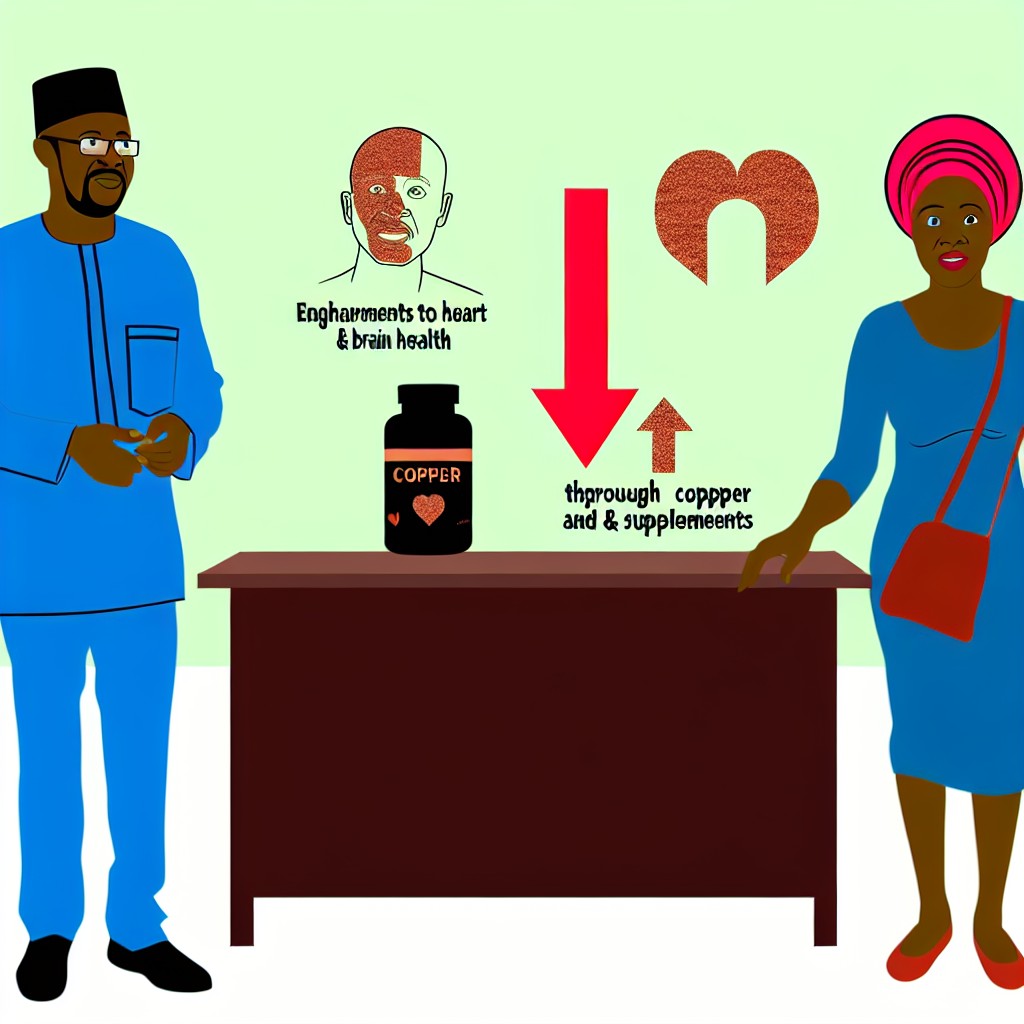
When it comes to copper consumption, there is a fine line between meeting the body’s requirements for this essential mineral and risking copper toxicity.
Copper is vital for overall health.
Excessive intake can lead to serious health issues.
The risks of copper toxicity
Copper toxicity occurs when there is an excessive build-up of copper in the body.
This leads to harmful effects on various organs and systems.
Unlike other minerals, the body does not have a specific excretory pathway for copper.
This makes it easier to accumulate copper to toxic levels.
Dangers of consuming too much copper
Consuming too much copper disrupts the delicate balance of minerals in the body.
It interferes with the absorption of other essential nutrients like zinc and iron.
This imbalance can lead to oxidative stress and damage cells and tissues.
Symptoms associated with copper toxicity
- Abdominal pain and cramping
- Nausea and vomiting
- Diarrhea
- Headaches
- Fatigue
- Irritability
- Liver damage
- Kidney failure
Recommendations to avoid excessive copper intake
- Avoid cooking acidic foods in copper pots and pans, as this can leach copper into the food.
- Limit consumption of copper-rich foods like shellfish, nuts, seeds, and organ meats.
- Use copper supplements only under the guidance of a healthcare provider and follow recommended dosages.
- Ensure a balanced diet with adequate intake of other minerals like zinc and manganese to maintain proper mineral balance.
- Consider using water filters that remove excess copper from tap water.
- Regularly monitor copper levels in the body through blood tests to prevent toxicity.
By being mindful of your copper intake and following these recommendations, you can support your heart and brain health.
This helps you avoid the risk of copper toxicity.
Delve into the Subject: Sodium: Understanding Its Role and Risks in Nigerian Diets
When considering ways to enhance heart and brain health through copper intake, it is crucial to consult a healthcare professional before making any significant dietary changes.
Here are some reasons why seeking professional advice is essential.
The Importance of Consulting a Healthcare Professional
- Healthcare professionals are trained to assess individual health needs and provide personalized recommendations.
- They can help determine the appropriate levels of copper intake based on a person’s age, gender, health status, and other factors.
- Consulting a healthcare provider can help prevent potential adverse effects of excess copper consumption.
Emphasizing the Need to Consult a Healthcare Provider Before Making Significant Dietary Changes
- Changing dietary habits without professional guidance can lead to imbalances in essential nutrients.
- A healthcare professional can conduct a thorough evaluation to identify any existing health conditions that may be affected by copper intake.
- It is important to discuss any concerns or questions about copper supplementation with a knowledgeable healthcare provider.
The Role of Healthcare Professionals in Diagnosing and Treating Copper-Related Health Issues
- Healthcare professionals can diagnose copper deficiency or toxicity through blood tests and other diagnostic tools.
- They can recommend appropriate treatment strategies to address imbalances and improve overall health outcomes.
- Regular monitoring by a healthcare provider can help ensure optimal copper levels for heart and brain health.
Receiving Personalized Recommendations Through Professional Advice
- Every individual has unique health needs, and consulting a healthcare provider is the best way to address them.
- Professional guidance can help create a well-rounded approach to heart and brain health that includes copper intake.
- By working with a healthcare professional, readers can receive tailored advice that aligns with their specific health goals.
Consulting a healthcare professional is essential when considering copper intake for heart and brain health.
Their expertise and personalized recommendations can make a significant impact on overall well-being.
Remember, it is always best to seek professional advice before making any changes to your dietary routine.
Copper’s Role in Supporting Heart and Brain Health in Nigerians
Copper plays a crucial role in enhancing heart health for Nigerians.
It also supports brain health significantly.
This mineral is essential for overall well-being in the population.
Key Benefits of Copper for Cardiovascular and Neurological Functions
Copper aids in the development of healthy nerve cells.
It contributes to the formation of collagen, which is vital for heart health.
This mineral helps support the absorption of iron efficiently.
Copper also contributes to the production of energy in the body.
Encouraging the Inclusion of Copper-Rich Foods in Daily Diets
Readers should prioritize the intake of copper-rich foods in their diets.
Incorporating nuts into meals can help maintain optimal copper levels.
Seeds are another excellent source to consider adding regularly.
Beans and whole grains also contribute significantly to copper intake.
The Importance of Balanced Copper Consumption for Health
Maintaining a balanced approach to copper intake is essential for good health.
While copper is necessary, excessive intake may lead to toxicity risks.
Consumers should be mindful of the amounts of copper they consume daily.
Additional Resources
Health Benefits of Groundnut: • Protein and fiber. Peanuts improve …


