



Iron is an essential mineral that plays a crucial role in the body’s overall health and well-being.
It is responsible for transporting oxygen throughout the body and ensuring proper cell function.
Importance of Iron in the Body
Iron is necessary for the production of hemoglobin.
Hemoglobin is a protein in red blood cells.
It carries oxygen from the lungs to the rest of the body.
Without enough iron, the body cannot produce enough healthy red blood cells.
Prevalence of Iron Deficiency in Nigeria
Iron deficiency is a common issue in Nigeria.
It is especially common among women and children.
This can lead to anemia.
It can also cause decreased immune function and impaired cognitive development.
Iron-Rich Foods in Nigerian Cuisine
This section lists iron rich foods common in Nigerian cuisine.
They include both animal and plant based sources.
These foods can help prevent iron deficiency when included regularly.
- Beef is a popular source of heme iron.
- Chicken provides heme iron that helps boost iron levels.
- Liver contains a concentrated amount of iron per serving.
- Snail is a Nigerian delicacy that is rich in iron.
- Fish such as mackerel and salmon supply iron and nutrients.
- Eggs are a versatile ingredient and a good iron source.
- Beans like black eyed peas and lentils are rich in iron.
- Dark leafy greens such as spinach pumpkin leaves and ugu are packed with iron.
- Plantain is a staple food that provides dietary iron.
- Oysters are a great iron source for seafood eaters.
By incorporating these iron rich foods into your diet, you can help prevent iron deficiency and maintain optimal health.
Spinach
Spinach is a popular leafy green vegetable in Nigerian cuisine.
Unlock the Power of Nigerian Food Minerals
Discover personalized Food Advisory tailored to boost your health or business using expert insights on Nigerian minerals.
Get StartedIt is packed with essential nutrients and vitamins.
People often use it as a versatile ingredient in many dishes.
High Iron Content
Spinach contains high levels of iron.
This iron supports red blood cell formation.
It also helps reduce the risk of iron deficiency.
Health Benefits
Spinach provides vitamin A, vitamin C, and vitamin K.
It also supplies folate.
Additionally, antioxidants in spinach protect the body from oxidative stress.
Nigerian Dishes
Spinach appears in many traditional Nigerian dishes.
Cooks often combine it with seeds, meats, and vegetables.
The ingredient adds flavor, color, and nutrition to meals.
- Egusi Soup combines melon seeds with spinach.
- Efo Riro features spinach cooked with assorted meats.
- Vegetable Stir-Fry often includes spinach among mixed vegetables.
- Spinach Stew is made with spinach, tomatoes, and onions.
This vegetable serves as a flavorful addition to Nigerian cuisine.
It is a nutrient-dense ingredient offering multiple health benefits.
These traits explain its frequent use in many recipes.
Captivate Your Audience with Exclusive Nigerian Food Content
Imagine your platform enriched with unique, mineral-rich Nigerian cuisine stories that no one else can offer. Let's create content that resonates deeply and sets you apart.
Get StartedPalm Oil
Palm oil is a versatile ingredient in Nigerian cuisine.
People often use it for cooking and for added flavor.
The oil has a rich red color and a distinct flavor.
Many popular Nigerian dishes rely on palm oil for flavor and nutritional benefits.
- Iron Content: Palm oil is rich in iron, which is essential for the production of red blood cells.
- Nutritional Value: In addition to iron, palm oil contains vitamins A and E, making it a healthy choice.
Examples of Nigerian Dishes Using Palm Oil
These dishes often rely on palm oil for flavor and color.
Additionally, palm oil contributes nutritional value to many recipes.
Below are common examples found in Nigerian cooking.
- Jollof Rice
- Egusi Soup
- Okra Soup
- Banga Soup
Delve into the Subject: Magnesium in Nigerian Diets: Energy Boosting Foods
Liver
Organ meats play a vital role in Nigerian cuisine.
They help incorporate iron rich foods into meals.
Liver is highly valued for its nutritional benefit.
Importance of Organ Meats in Nigerian Cuisine
Organ meats are prized in many Nigerian households.
They appear in both everyday meals and special celebrations.
Cooks often use these ingredients to boost meal nutrition.
- They are rich in essential nutrients such as iron, zinc, and vitamin B12.
- Many people view organ meats as sources of natural energy and strength.
- Communities commonly serve organ meats at celebratory meals and special occasions.
High Iron Content of Liver
Liver is one of the most iron rich foods available.
This trait makes liver a valuable addition to a balanced diet.
Iron supports red blood cell production and overall energy levels.
Nigerian Dishes Featuring Liver
Liver adds flavor and nutrients to many Nigerian recipes.
The ingredient appears in both everyday and festive meals.
Below are common dishes that feature liver.
- Jollof rice often includes liver pieces for extra flavor and iron.
- Peppered liver is sauteed with onions, peppers, and spices.
- Boiled yam with liver sauce pairs liver cooked in tomato sauce with yams.
See Related Content: Healthy Sodium Levels in Popular Nigerian Foods
Beans in Nigerian Cuisine
Beans are a staple in Nigerian cuisine.
People enjoy them across the country.
They provide versatility and varied textures for meals.
Popular Nigerian Bean Dishes
Below are several popular bean dishes from Nigeria.
Each recipe offers distinct flavors and simple preparation.
Some dishes serve as main courses while others act as sides.
- Ewa Aganyin features mashed beans topped with a spicy sauce and fried plantains.
- Akara are fried bean cakes made from ground black-eyed peas, onions, and peppers.
- Moimoi is a steamed savory bean pudding with spices and aromatics.
- Gbegiri is a traditional bean soup flavored with locust beans and spices.
- Beans porridge combines cooked beans with assorted vegetables and seasonings.
- Beans and Dodo pairs cooked beans with fried plantains and sautéed peppers.
Serving Suggestions and Meal Ideas
Serve bean dishes hot and garnish with fresh onions or peppers.
Additionally, pair them with grains or tubers for balanced meals.
Rotate different bean recipes to keep weekly menus interesting.
Tips for Adding Bean Dishes to Your Menu
Try one new bean recipe during your next meal planning.
Furthermore, experiment with spices to adjust heat and flavor.
Finally, use leftovers creatively in stews or wraps to reduce waste.
Delve into the Subject: Energy Boost: Magnesium in Nigerian Meals
Crayfish is a popular ingredient in Nigerian cuisine.
People commonly use it in soups and stews.
It appears among iron-rich food options.
How Crayfish is Used in Nigerian Soups and Stews
Chefs dry crayfish and grind it into a fine powder.
They add this powder to soups and stews for flavor.
It provides a rich umami taste that enhances dishes.
- Crayfish is dried and ground into a fine powder before use.
- It has a rich umami flavor that enhances soups and stews.
- Adding crayfish helps thicken the soup or stew.
Iron Content and Nutritional Benefits of Crayfish
A 100g serving of crayfish contains about 3.3mg of iron.
This iron supports healthy blood circulation.
Crayfish also provides protein, vitamins, and minerals like calcium and magnesium.
- 100g of crayfish contains about 3.3mg of iron.
- Crayfish is a good source of protein, vitamins, calcium, and magnesium.
- Including crayfish can help prevent iron deficiency anemia and boost general health.
Nigerian Dishes that Include Crayfish
Many popular Nigerian soups include crayfish for added flavor.
Egusi soup uses melon seeds, vegetables, and crayfish.
Ogbono soup uses ground ogbono seeds and crayfish.
- Egusi Soup made with melon seeds, vegetables, and crayfish.
- Ogbono Soup made with ground ogbono seeds and crayfish.
- Okra Soup made with okra, fish, and crayfish.
Crayfish adds rich flavor to many Nigerian dishes.
It also supplies important nutrients, including iron.
Including it in soups and stews can support dietary iron intake.
Learn More: Vitamin C-Rich Fruits and Vegetables in Nigeria
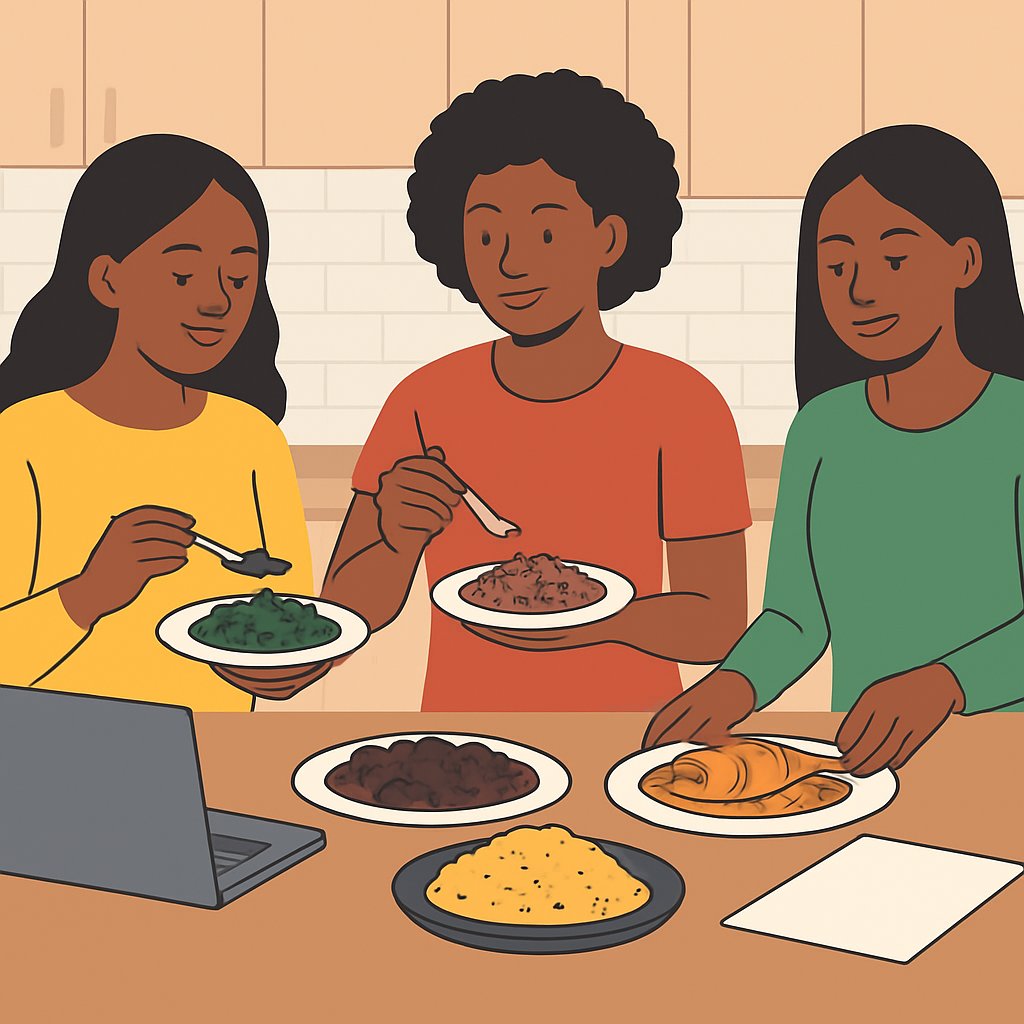
Red Meat
Red meat holds significant importance in Nigerian diet due to its high iron content.
Beef, goat meat, and lamb are commonly consumed red meats in Nigerian cuisine.
Red meat is a great source of heme iron, which is highly absorbable by the body.
A 3-ounce serving of beef can provide around 2.7 mg of iron.
There are countless Nigerian meat dishes that are rich in iron, such as:
- Suya: Grilled skewers of seasoned beef or goat meat.
- Pepper Soup: Spicy broth made with goat meat or beef.
- Beef Stew: Slow-cooked beef in a rich tomato-based sauce.
- Asun: Spicy smoked goat meat delicacy.
Incorporating red meat into your diet can help combat iron deficiency and boost overall health.
Egusi Seeds
Egusi seeds are a popular ingredient in Nigerian cuisine.
They are especially used in soups.
These small round seeds are rich in iron.
One serving of egusi seeds contains about 4mg of iron.
Nigerian Dishes with Egusi Seeds
Many Nigerian dishes use egusi seeds.
These dishes often combine seeds with vegetables and meat.
A sweet pudding also uses ground egusi seeds and coconut milk.
- Egusi soup, a traditional Nigerian dish made with egusi seeds, vegetables, and meat.
- Egusi stew, another popular dish that combines egusi seeds with tomatoes and peppers.
- Egusi pudding, a sweet treat made with ground egusi seeds, coconut milk, and sugar.
These seeds add flavor and nutrition to Nigerian cuisine.
Health Benefits of Iron-Rich Foods in Nigerian Cuisine
Iron-rich foods support healthy blood and energy levels.
Furthermore, they strengthen immune function and aid cellular processes.
Regular intake reduces the risk of fatigue and related symptoms.
Importance of Iron-Rich Foods in Nigerian Cuisine
Moreover, traditional dishes often provide accessible iron sources.
These foods contribute to community nutrition and meal variety.
Consuming diverse iron sources helps meet daily needs.
Incorporating Iron-Rich Foods into Your Diet
Create a balanced diet that includes multiple iron sources.
Enjoy traditional recipes to boost your iron intake and overall health.
Make small dietary changes today to support vital body functions.
Additional Resources
Google search results for Top 10 Iron-Rich Foods in Nigerian Cuisine Mineral Profiles
Bing search results for Top 10 Iron-Rich Foods in Nigerian Cuisine Mineral Profiles


