



Introduction
Minerals are essential nutrients needed for various bodily functions.
They support bone health and metabolism.
Minerals are vital for overall well-being.
When it comes to Nigerian foods, it is important to ensure adequate mineral intake.
Adequate intake helps prevent deficiencies and promotes optimal health.
Common minerals found in Nigerian foods:
- Iron: found in foods like red meat, beans, and green leafy vegetables.
- Calcium: abundant in foods like milk, yogurt, and leafy greens.
- Zinc: found in foods like seafood, poultry, and whole grains.
Iron
Iron is an essential mineral that plays a crucial role in transporting oxygen in the blood.
Nigerian cuisine includes foods like red meat, beans, and green leafy vegetables rich in iron.
Including these foods in your diet can help prevent iron deficiency anemia.
This condition is common in Nigeria.
Calcium
Calcium is important for maintaining strong bones and teeth.
Nigerian foods rich in calcium include milk, yogurt, and leafy greens like ugu and spinach.
Adequate calcium intake is essential for preventing osteoporosis and other bone-related conditions.
This is especially important for women and children.
Zinc
Zinc supports immune function and helps with wound healing.
Seafood, poultry, and whole grains are good dietary sources of zinc.
Unlock the Power of Nigerian Food Minerals
Discover personalized Food Advisory tailored to boost your health or business using expert insights on Nigerian minerals.
Get StartedIncluding these foods in your meals can boost your immunity and promote overall health.
Incorporating a diverse range of nutrient-rich foods is key to ensuring adequate intake of essential minerals.
By including iron-rich foods like red meat and beans, calcium-rich foods like milk and yogurt, and zinc-rich foods like seafood and whole grains, you support your overall health and well-being.
Remember to eat a varied diet to get all the minerals your body needs to function optimally.
Pay attention to minerals in Nigerian foods and make conscious choices to include a variety of nutrient-dense options in your diet.
This approach helps you meet daily mineral requirements and maintain good health long term.
Minerals are essential nutrients.
They play a crucial role in maintaining overall health.
Importance of Minerals for Overall Health
Minerals are vital for various bodily functions.
These include supporting immune function.
They also regulate metabolism.
Minerals help build strong bones and teeth.
They assist in nerve function.
Minerals help with muscle contraction.
Captivate Your Audience with Exclusive Nigerian Food Content
Imagine your platform enriched with unique, mineral-rich Nigerian cuisine stories that no one else can offer. Let's create content that resonates deeply and sets you apart.
Get Started- Supporting immune function.
- Regulating metabolism.
- Building strong bones and teeth.
- Assisting in nerve function.
- Helping with muscle contraction.
Role of Minerals in Various Bodily Functions
Each mineral serves a unique purpose in the body.
- Calcium is essential for bone health and muscle function.
- Iron is necessary for oxygen transport in the blood.
- Zinc plays a role in immune function and wound healing.
- Magnesium helps with nerve and muscle function.
- Potassium is vital for heart health and muscle contraction.
Importance of Consuming a Balanced Diet Rich in Minerals
Eating a variety of nutrient-dense foods is crucial for optimal health.
- Include a wide range of fruits and vegetables in your diet.
- Choose whole grains over refined grains for added mineral content.
- Opt for lean sources of protein like poultry, fish, and legumes.
- Incorporate dairy products or fortified plant-based alternatives for calcium.
- Snack on nuts and seeds for a healthy dose of minerals like zinc and magnesium.
By ensuring adequate mineral intake through a well-balanced diet, you support your body’s essential functions.
This helps promote overall health and wellness.
Delve into the Subject: Sodium: Understanding Its Role and Risks in Nigerian Diets
Challenges in Achieving Adequate Mineral Intake in Nigeria
When it comes to ensuring adequate mineral intake in Nigeria, there are several challenges that individuals face.
These challenges can hinder the overall health and well-being of the population.
It is crucial to address these challenges effectively.
Lack of Access to a Variety of Nutrient-Rich Foods in Certain Regions
- Many regions in Nigeria lack access to a diverse range of nutrient-rich foods.
- This limited access can lead to deficiencies in essential minerals vital for overall health.
- Individuals residing in rural or underprivileged areas are particularly affected by this challenge.
- Government intervention and support are essential to provide these regions with access to nutritious foods.
Cultural Dietary Practices That May Limit Mineral Intake
- Some cultural dietary practices in Nigeria may hinder adequate mineral intake.
- For example, certain tribes or communities may have restrictions on consuming specific mineral-rich foods.
- These practices can result in deficiencies and impact the overall health of individuals.
- Education and awareness on the importance of diverse mineral intake are crucial to address this challenge.
Effects of Food Insecurity on Mineral Intake
- Food insecurity is a significant issue in Nigeria, affecting many individuals and families.
- Individuals facing food insecurity may not have access to a balanced diet rich in essential minerals.
- This can lead to deficiencies in minerals like iron, calcium, zinc, and others, impacting health.
- Efforts to address food insecurity through government programs and community initiatives can help improve mineral intake.
Addressing the challenges in achieving adequate mineral intake in Nigeria is crucial for the overall health of the population.
Promoting access to a variety of nutrient-rich foods can improve mineral intake.
Cultural dietary practices should be addressed through education and awareness.
Tackling food insecurity can ensure that individuals meet their mineral intake requirements for optimal health.
Delve into the Subject: Athletic Performance: Minerals for Nigerian Sports Enthusiasts
When it comes to ensuring adequate mineral intake in Nigerian foods, there are several strategies that can be implemented.
These strategies are crucial in promoting good health and preventing mineral deficiencies in the population.
Encouraging consumption of a diverse range of nutrient-rich foods
- Diversifying the diet is crucial in ensuring the intake of a wide variety of minerals.
- Encouraging the consumption of fruits, vegetables, whole grains, and lean proteins can help meet mineral needs.
- Including calcium-rich foods like milk, yogurt, and cheese can support bone health.
- Consuming iron-rich foods such as lean meats, poultry, beans, and fortified cereals is important for preventing anemia.
- Eating seafood, nuts, and seeds can provide essential minerals like zinc, selenium, and magnesium.
Educating the public about the importance of minerals in the diet
- Increasing awareness about the role of minerals in maintaining overall health is important.
- Providing information on specific minerals like calcium, iron, zinc, and potassium can help individuals make informed food choices.
- Emphasizing the importance of consuming a balanced diet to meet mineral requirements can help prevent deficiencies.
- Offering nutrition education through schools, community programs, and healthcare providers can help promote healthy eating habits.
- Highlighting the impact of mineral deficiencies on health outcomes can motivate individuals to prioritize mineral-rich foods.
Promoting food fortification and supplementation where necessary
- Supporting food fortification programs can help increase the mineral content of commonly consumed foods.
- Encouraging the use of fortified staples like flour, salt, and cooking oil can improve mineral intake.
- Considering mineral supplementation for vulnerable populations like pregnant women, children, and the elderly can be beneficial.
- Collaborating with food manufacturers and policymakers to fortify foods with essential minerals is key in addressing deficiencies.
- Working with healthcare professionals to provide personalized recommendations for mineral supplementation can ensure adequate intake.
A multi-faceted approach is needed to ensure adequate mineral intake in Nigerian foods.
By encouraging the consumption of nutrient-rich foods, educating the public about the importance of minerals, and promoting food fortification and supplementation where necessary, we can improve the health and well-being of the population.
Find Out More: Minerals for Healthy Skin: Nigerian Beauty Secrets
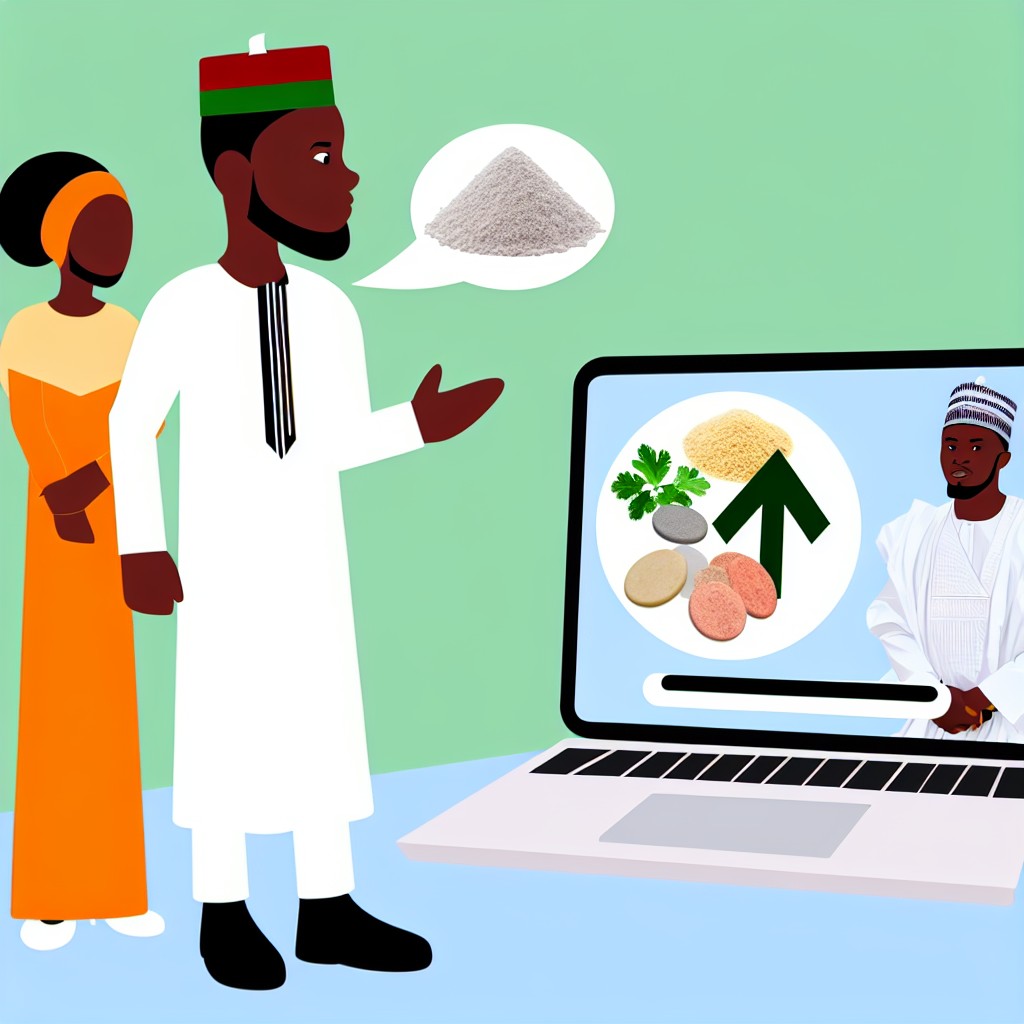
When it comes to ensuring adequate mineral intake in the diet, traditional Nigerian foods play a crucial role.
Let’s explore some specific Nigerian dishes that are rich in minerals.
We will also understand the importance of incorporating these foods into our daily meals.
Traditional Nigerian Foods and Their Mineral Content
- Jollof Rice: This popular dish is made with tomatoes, peppers, onions, and rice, providing essential minerals like iron and magnesium.
- Egusi Soup: Made with melon seeds, leafy greens, and other vegetables, this soup is a good source of calcium and potassium.
- Vegetable Soup: A mix of different vegetables like spinach, kale, and okra, providing a variety of minerals such as iron and zinc.
- Beans and Plantain: This classic combination offers a good dose of iron, potassium, and magnesium, vital for overall health.
- Yam Porridge: A hearty dish made with yam, vegetables, and spices, rich in minerals like phosphorus and manganese.
Importance of Incorporating Traditional Foods for Adequate Mineral Intake
Here are some reasons why it’s important to include traditional Nigerian foods in your diet:
- Diverse Mineral Profile: Traditional dishes offer a wide range of minerals that are essential for various bodily functions.
- Nutrient-Dense Options: These foods are packed with vitamins, minerals, and antioxidants, promoting overall health and well-being.
- Cultural Significance: Embracing traditional foods helps in preserving cultural heritage and enjoying authentic flavors.
- Economic Benefits: Supporting local produce and traditional cooking methods can boost the local economy and agriculture sector.
- Sustainability: Traditional foods often use locally sourced ingredients, promoting sustainable food practices and reducing carbon footprint.
By incorporating traditional Nigerian foods into your diet, you can ensure adequate mineral intake.
You can also reap the numerous health benefits associated with these delicious and nutritious dishes.
So why not explore the rich culinary heritage of Nigeria and enjoy a healthy and balanced diet!
Delve into the Subject: Potassium: Balancing Blood Pressure in Nigerian Diets
Understanding the Importance of Minerals in Our Diet
It is crucial to understand the significance of minerals in our diet to maintain optimal health.
Pay attention to your mineral intake to ensure your body functions properly.
This effort can prevent deficiencies that may lead to various health issues.
You should make a conscious effort to include mineral-rich foods in your meals daily.
Choosing a well-balanced diet with fruits, vegetables, nuts, and seeds helps boost mineral intake.
Minerals play a vital role in many bodily functions, including bone and immune system health.
Make it a priority to prioritize mineral intake and make informed food choices.
Your body will thank you for these choices in the long run!