



Introduction
During pregnancy, it is crucial for expecting mothers to pay close attention to their diet.
Proper nutrition plays a vital role in ensuring the health of both the mother and the developing baby.
Expecting mothers should consult a healthcare provider for personalized nutrition advice.
Importance of Nigerian Diet Tips
- Consume a variety of foods from all food groups to obtain essential nutrients.
- Include liver, meats, and beans to support blood production.
- Eat leafy greens, beans, and citrus fruits for folic acid.
- Choose dairy, leafy greens, and almonds for calcium.
- Eat fish, nuts, and seeds for omega-3 fatty acids.
- Drink plenty of water to maintain amniotic fluid and prevent dehydration.
- Eat small, frequent meals to reduce nausea and stabilize blood sugar.
- Limit caffeine and junk foods and practice moderation.
Essential Nutrients for Pregnant Women
Folic acid, iron, calcium, protein, and omega-3 fatty acids are vital during pregnancy.
These nutrients support fetal growth and maternal health.
Talk with a provider to determine your specific needs.
- Folic acid prevents neural tube defects in the baby.
- Iron supports red blood cell production and prevents anemia.
- Calcium is essential for the baby’s bone development.
- Protein helps build fetal tissues and muscles.
- Omega-3 fatty acids support brain and eye development.
Benefits of a Balanced Diet for Expecting Mothers
Adequate nutrients reduce the risk of birth defects.
A balanced diet helps maintain health during pregnancy.
Nutrient-rich foods can lower the chance of pregnancy complications.
- Adequate nutrients reduce the risk of birth defects.
- A balanced diet helps maintain health during pregnancy.
- Nutrient-rich foods can help prevent pre-eclampsia and complications.
- Proper nutrition supplies energy for the demands of pregnancy.
- Good nutrition supports faster recovery after childbirth.
Nigerian Diet Tips for Expecting Mothers
Include a variety of local fruits and vegetables to obtain vitamins.
Choose nutrient-dense foods from different food groups each day.
Focus on wholesome choices that support fetal development and maternal well-being.
- Include a variety of fruits and vegetables daily for vitamins.
- Choose lean proteins such as fish, poultry, beans, and nuts.
- Select whole grains like brown rice, oats, and whole wheat bread.
- Consume dairy like milk, yogurt, and cheese for calcium.
- Eat healthy fats from avocado, nuts, and seeds for brain health.
Hydration and Food Guidance During Pregnancy
Drink plenty of water to support increased blood volume and amniotic fluid.
Avoid processed foods high in sugar, salt, and unhealthy fats.
Consult a healthcare provider or nutritionist for a personalized meal plan.
Unlock the Power of Nigerian Food Minerals
Discover personalized Food Advisory tailored to boost your health or business using expert insights on Nigerian minerals.
Get StartedTraditional Nigerian Foods for Expecting Mothers
This page lists traditional Nigerian foods helpful during pregnancy.
Descriptions note key nutrients for each dish.
Readers should use these details to inform meal choices.
Common Nigerian Foods Beneficial for Expecting Mothers
The list emphasizes familiar soups and porridges.
Each item shows nutrient highlights in brief.
Below are six traditional options and their nutrients.
- Egusi Soup: Rich in protein, vitamins A and C, folate, and iron.
- Bitter Leaf Soup: Contains calcium, iron, and vitamins A, C, and K.
- Okra Soup: High in fiber, vitamins C and K, folate, and potassium.
- Ogbono Soup: Good source of healthy fats, magnesium, and zinc.
- Yam Porridge: Provides energy, fiber, vitamin C, and potassium.
- Jollof Rice: Contains carbohydrates, protein, and essential vitamins and minerals.
Nutritional Benefits of These Foods
These foods supply multiple essential nutrients.
Additionally, the nutrients support fetal growth and maternal health.
Also, they aid digestion and help maintain energy levels.
- Protein: Essential for the growth and development of the baby.
- Vitamins A and C: Boost immunity and support healthy skin and eyes.
- Folate: Prevents birth defects and supports brain development.
- Iron: Prevents anemia and ensures proper oxygen supply to the baby.
- Calcium: Important for bone development of the baby.
- Potassium: Regulates fluid balance and muscle function.
- Magnesium: Supports nerve function and regulates blood sugar levels.
- Zinc: Essential for DNA synthesis and proper growth.
- Fiber: Promotes healthy digestion and prevents constipation.
- Antioxidants: Protect cells from damage and support overall health.
You Might Also Like: Healthy Nigerian Snacks for Pregnant Women
Food Safety Tips for Pregnant Women
Food safety protects expecting mothers and their developing babies.
Therefore, follow recommended practices when buying and preparing food.
Also, simple habits can significantly reduce foodborne risks.
Importance of Food Safety During Pregnancy
Foodborne illnesses could harm the developing baby.
Captivate Your Audience with Exclusive Nigerian Food Content
Imagine your platform enriched with unique, mineral-rich Nigerian cuisine stories that no one else can offer. Let's create content that resonates deeply and sets you apart.
Get StartedExpecting mothers should emphasize safe handling and clean preparation.
Preventive actions decrease the likelihood of complications.
Guidelines for Properly Handling, Cooking, and Storing Food
Follow clear guidelines for handling, cooking, and storing food.
Next, practice separation, thorough washing, and correct cooking temperatures.
Below is a list of practical steps to implement.
- Wash hands with soap and water before and after handling food.
- Separate raw meat, poultry, and seafood from other foods in the shopping cart, refrigerator, and during meal prep.
- Cook meat, poultry, and seafood to the recommended internal temperatures to kill harmful bacteria.
- Avoid unpasteurized dairy products and juices to reduce the risk of foodborne illnesses.
- Refrigerate leftovers promptly and use them within a safe timeframe to prevent food poisoning.
- Thoroughly wash fruits and vegetables before consumption to eliminate any contaminants.
- Avoid cross-contamination by using separate cutting boards for raw meat, poultry, and produce.
- Check expiration dates on food products to ensure freshness and safety for consumption.
Discover More: Nigerian Fruits for Child and Maternal Nutrition
Hydration and Pregnancy
Staying hydrated during pregnancy is crucial for both the mother and the baby.
Proper hydration helps maintain amniotic fluid levels and supports the baby’s growth.
Dehydration can lead to complications such as preterm labor and low amniotic fluid levels.
Pregnant women should aim to drink at least 8 to 10 glasses of water daily.
Here are tips on how expecting mothers can increase their water intake.
Carry a Water Bottle Everywhere
Carry a water bottle to help you remember to drink.
It serves as a visual reminder to sip water regularly.
Also choose a reusable bottle to reduce waste and ensure access.
Set Reminders on Your Phone
Set hourly reminders on your phone to take water breaks.
This habit helps you stay on track with hydration goals.
Additionally use simple alarms to prompt regular drinking.
Spice Up Your Water
Infuse water with fruits like lemon, cucumber, or berries.
If plain water does not appeal, try herbal teas or coconut water.
These options add variety while supporting proper hydration.
Monitor Your Urine Color
Check the color of your urine throughout the day.
Clear or light yellow indicates proper hydration.
Dark yellow or amber is a sign to drink more water.
Snack on Hydrating Foods
Snack on foods with high water content such as watermelon and cucumbers.
Also include oranges and tomatoes to contribute fluids.
These hydrating snacks can boost overall water intake.
Avoid Dehydrating Beverages
Avoid beverages that can dehydrate you, such as caffeinated drinks.
Also limit sugary sodas and avoid alcohol during pregnancy.
Instead choose water, herbal teas, or coconut water as alternatives.
Remember that staying hydrated is essential for a healthy pregnancy.
Make it a priority to drink enough water to support well-being and the baby’s development.
Gain More Insights: Essential Minerals in Nigerian Foods for Healthy Mothers and Kids
Healthy Snack Ideas for Expecting Mothers
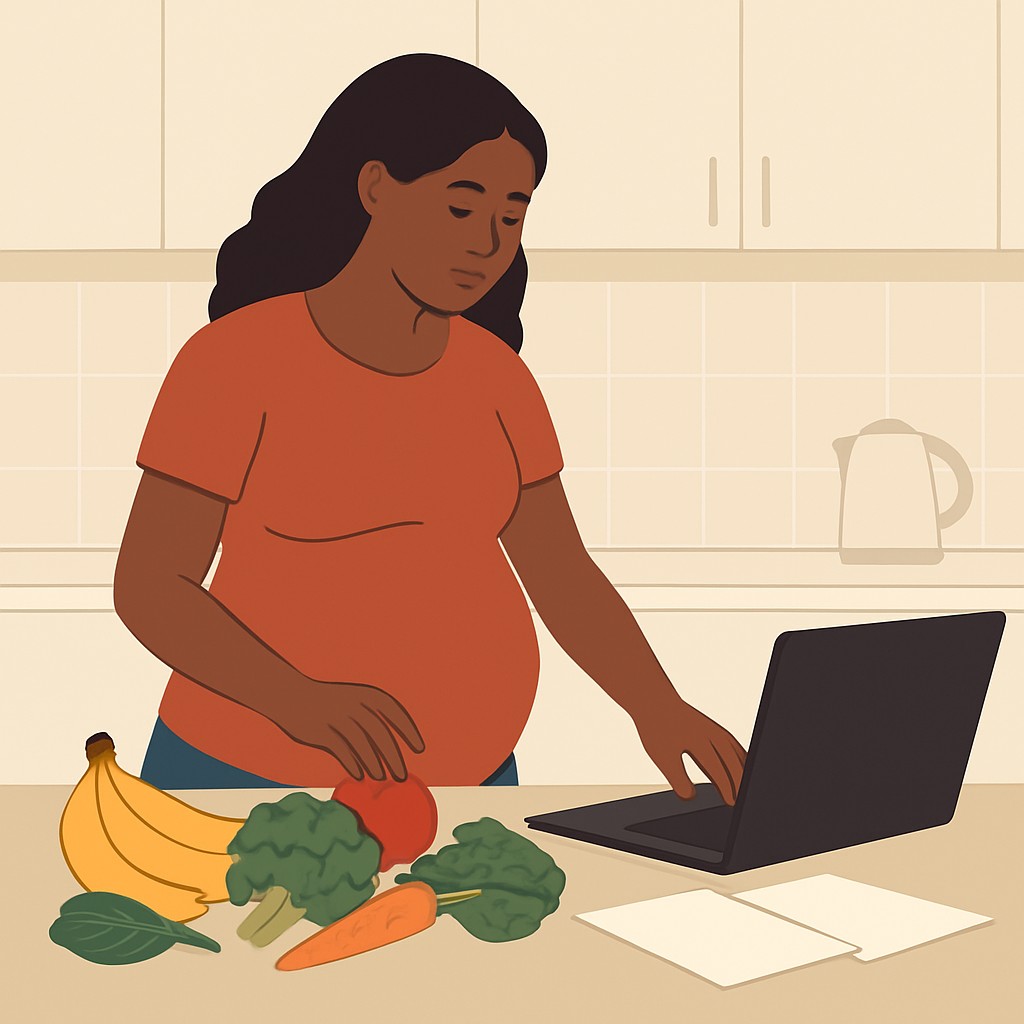
Choose fruits like apples, bananas, or oranges for a quick and easy snack.
Opt for Greek yogurt with nuts or seeds to boost protein intake.
Make a smoothie with spinach, berries, and yogurt for a refreshing snack.
- Choose fruits like apples, bananas, or oranges for a quick and easy snack.
- Opt for Greek yogurt with nuts or seeds to boost protein intake.
- Snack on whole grain crackers with cheese for a satisfying and nutritious treat.
- Make a smoothie with spinach, berries, and yogurt for a refreshing and filling snack.
Recipes for Healthy Snacks
Slice an apple and spread almond butter on top for a tasty snack.
Layer Greek yogurt with granola and fresh fruit for a protein-packed parfait.
Cut carrots, cucumbers, and bell peppers and dip them in hummus.
Mix oats, peanut butter, honey, and dried fruit then roll into balls.
- Apple Slices with Almond Butter: Slice an apple and spread almond butter on top for a tasty and nutritious snack.
- Greek Yogurt Parfait: Layer Greek yogurt with granola and fresh fruit for a protein-packed treat.
- Veggie Sticks with Hummus: Cut up carrots, cucumbers, and bell peppers and dip in hummus for a crunchy snack.
- Energy Bites: Mix oats, peanut butter, honey, and dried fruit, then roll into balls for a quick energy boost.
Benefits of Healthy Snacks for Expecting Mothers
Healthy snacks can improve energy levels and reduce pregnancy fatigue.
They provide essential nutrients for both the mother and the baby.
Regular snacking helps manage weight gain and may ease nausea and heartburn.
- Improved energy levels to combat pregnancy fatigue.
- Essential nutrients for the health of the baby and mother.
- Help in managing weight gain during pregnancy.
- Prevention of common pregnancy discomforts like nausea and heartburn.
- Support for overall well-being and a healthy pregnancy.
Planning Healthy Snacks During Pregnancy
Incorporate healthy snacks into your diet to support your health and your baby’s growth.
Choose nutritious options like fruits, nuts, yogurt, and whole grains.
Listen to your body’s hunger cues and eat regularly during pregnancy.
Find Out More: Nigerian Foods Rich in Iron for Pregnancy
Nutrition Tips for Nigerian Expecting Mothers
During pregnancy, it’s essential for Nigerian expecting mothers to consume a variety of nutrient-rich foods.
Include foods high in folic acid, such as leafy greens, beans, and citrus fruits, for baby’s development.
Iron-rich foods like lean meats, beans, and dried fruits help prevent anemia during pregnancy.
Eat plenty of calcium-rich foods like dairy products, leafy greens, and almonds for baby’s bone development.
Incorporate protein sources like beans, fish, poultry, and eggs to help with baby’s growth and development.
Stay hydrated by drinking plenty of water, coconut water, and natural fruit juices throughout the day.
Avoid processed foods, sugary drinks, and excessive caffeine to maintain a healthy pregnancy diet.
Consult with your healthcare provider to discuss any dietary concerns or restrictions during pregnancy.
Prioritizing a nutritious diet is crucial for Nigerian expecting mothers.
By following these diet tips and seeking guidance from healthcare providers, you can ensure a healthy pregnancy.
Additional Resources
Google search results for Nigerian Diet Tips for Expecting Mothers Child and Maternal Nutrition
Bing search results for Nigerian Diet Tips for Expecting Mothers Child and Maternal Nutrition


