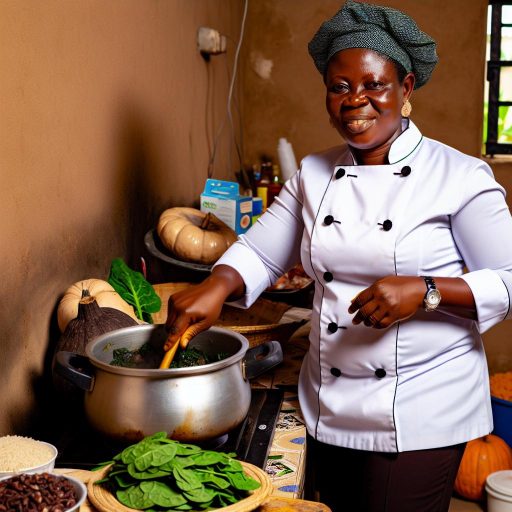




Introduction
Eating vegetables is crucial for good health.
They provide essential nutrients and fiber.
Nigerian cuisine offers a diverse range of vegetable recipes.
These recipes can enhance your well-being.
By incorporating these nutrient-rich dishes into your diet, you boost your overall health.
Health benefits of Nigerian vegetables
- Dive into the nutritional value of popular Nigerian vegetables like ugu, waterleaf, spinach, and bitter leaf.
- Explain how these vegetables are packed with vitamins, minerals, and antioxidants that boost overall health.
- Discuss the role of these nutrients in promoting immunity, reducing inflammation, and supporting various bodily functions.
- Highlight specific health benefits of each vegetable, such as ugu’s high iron content for energy production and waterleaf’s rich vitamin C content for immune support.
- Emphasize the importance of incorporating a variety of Nigerian vegetables into your diet to reap the full spectrum of health benefits.
- Provide tips on how to prepare and cook these vegetables to retain their nutrient content and maximize their health benefits.
- Suggest creative ways to incorporate Nigerian vegetables into different meals and dishes for a delicious and nutritious diet.
- Encourage readers to explore the diverse range of Nigerian vegetables available and experiment with new recipes to enjoy their health benefits.
Traditional Nigerian Vegetable Recipes
When it comes to Nigerian cuisine, vegetables play a significant role in creating delicious and nutritious dishes.
Here are some traditional Nigerian recipes that feature vegetables as the main ingredient.
Vegetable Soup Egusi Soup Ogbono Soup
Vegetable soup is a common Nigerian dish that can be prepared with various types of vegetables such as spinach, kale, or pumpkin leaves.
Here is how to make Egusi and Ogbono soup.
- Heat palm oil in a pot and add chopped onions, peppers, and tomatoes.
- Add ground Egusi or Ogbono seeds and allow them to cook for a few minutes.
- Stir in your choice of vegetables and add broth to create a thick consistency.
- Season with salt, pepper, and any desired spices before simmering until vegetables are tender.
Efo Riro
Efo Riro is a traditional Nigerian soup made with a blend of vegetables like spinach or kale and often includes meat or fish.
Here is how to prepare Efo Riro.
- Heat palm oil in a pot and sauté onions, peppers, and tomatoes.
- Add your choice of protein, such as beef or fish, and cook until browned.
- Stir in your chopped vegetables and allow them to cook until tender.
- Season with salt, pepper, and spices like crayfish and locust beans for flavor.
Edikang Ikong
Edikang Ikong is a popular Nigerian vegetable soup that combines two types of leafy greens – waterleaf and fluted pumpkin leaves.
Here is how to make Edikang Ikong.
- Heat palm oil in a pot and sauté onions, peppers, and tomatoes.
- Add your choice of protein and cook until browned.
- Simmer with waterleaf and fluted pumpkin leaves until they wilt and release their flavors.
- Season with salt, pepper, and spices like crayfish and bouillon cubes.
Bitter Leaf Soup
Bitter leaf soup is a traditional Nigerian dish known for its distinct bitter taste and numerous health benefits.
Here is how to prepare bitter leaf soup.
Unlock the Power of Nigerian Food Minerals
Discover personalized Food Advisory tailored to boost your health or business using expert insights on Nigerian minerals.
Get Started- Wash and boil bitter leaves to remove bitterness, then chop them finely.
- Heat palm oil in a pot and sauté onions, garlic, and chili peppers.
- Add your choice of protein and cook until browned.
- Stir in the chopped bitter leaves and simmer until flavors meld together.
By incorporating these traditional Nigerian vegetable recipes into your diet, you can boost your health while enjoying the rich flavors of Nigerian cuisine.
Try these recipes today and experience the goodness of Nigerian vegetables!
Find Out More: Boost Immunity with These Nigerian Mineral-Rich Recipes
Creative Ways to Incorporate Nigerian Vegetables into Meals
To truly boost your health with Nigerian vegetable recipes, you must find creative ways to include these greens.
Adding a variety of vegetables helps increase essential vitamins, minerals, and antioxidants in your diet.
Here are some creative ways to use Nigerian vegetables in daily meals.
Smoothies with Nigerian Vegetables
One creative method is adding Nigerian vegetables to morning smoothies.
Vegetables like spinach, kale, or ugu (fluted pumpkin leaves) can be chopped and blended with fruits.
Fruits such as bananas, mangoes, or pineapples create a delicious and nutritious smoothie.
This approach sneaks extra veggies into your breakfast easily.
Using Ugu Leaves for Wraps
An inventive way is to use ugu leaves as wraps for rice dishes or other fillings.
Simply blanch the leaves and fill them with your favorite rice, vegetable, or protein mixture.
Wrap them like a burrito for unique flavor and an added vitamin boost.
Vegetable Stir-Fries Featuring Nigerian Greens
Vegetable stir-fries offer a quick and easy way to add Nigerian vegetables to lunch or dinner.
Captivate Your Audience with Exclusive Nigerian Food Content
Imagine your platform enriched with unique, mineral-rich Nigerian cuisine stories that no one else can offer. Let's create content that resonates deeply and sets you apart.
Get StartedUse varieties such as bell peppers, onions, carrots, and green beans with traditional greens like water leaves or bitter leaves.
Add protein like chicken or tofu and season with spices or sauces, then stir-fry for a flavorful meal.
Incorporating Vegetables in Soups and Stews
Nigerian vegetables are commonly used in soups and stews, making them great for meal enrichment.
Vegetables like okra, pumpkin leaves, or bitter leaf add flavor and nutrition.
Traditional soups such as egusi soup, vegetable soup, or edikang ikong prominently feature these greens.
Flavorful Salads Using Nigerian Vegetables
Salads are a versatile way to include Nigerian vegetables in your diet.
Mix traditional greens like lettuce or cabbage with Nigerian vegetables such as ewedu leaves, garden eggs, or fluted pumpkin leaves.
Add protein like grilled chicken or fish, nuts or seeds, and a homemade dressing to create a balanced meal.
Including Nigerian vegetables does not have to be daunting.
By getting creative, you enhance the nutritional value and taste of your dishes.
Experiment with different recipes, flavors, and cooking techniques to enjoy Nigerian vegetables daily.
Uncover the Details: Mineral-Rich Nigerian Foods for a Balanced Diet
Nutrient-packed Nigerian vegetable salads
Looking for a delicious way to incorporate Nigerian vegetables into your diet?
Why not try nutrient-packed salads that are not only tasty but also good for your health!
Here are some recipes for nutrient-packed salads using Nigerian vegetables.
Waterleaf salad with tomatoes and cucumbers
To make this refreshing salad you will need fresh waterleaf, tomatoes, cucumbers, onions, bell peppers, lemon juice, olive oil, salt, and pepper.
Start by washing and chopping the waterleaf, tomatoes, cucumbers, and bell peppers.
In a large bowl, mix all the vegetables together and drizzle with lemon juice and olive oil.
Season with salt and pepper to taste.
Serve chilled for a light and nutritious meal!
Bitter leaf salad with onions and bell peppers
For a tangy and flavorful salad try this bitter leaf salad with onions and bell peppers.
You will need bitter leaf, onions, bell peppers, tomatoes, olive oil, vinegar, salt, and pepper.
Wash and chop the bitter leaf, onions, bell peppers, and tomatoes.
In a separate bowl, whisk together olive oil, vinegar, salt, and pepper to make the dressing.
Toss the vegetables with the dressing and refrigerate for an hour before serving.
This salad is not only delicious but also packed with nutrients!
Benefits of consuming raw vegetables in salads
Incorporating raw vegetables into your diet through salads has numerous health benefits.
Here are some reasons why you should consider adding more nutrient-packed salads to your meals.
Maximum nutrient intake
Raw vegetables retain more nutrients compared to cooked vegetables.
When you eat vegetables in their raw form, you are getting the maximum amount of vitamins, minerals, and antioxidants.
These are essential for maintaining good health.
Consuming a variety of raw vegetables in salads ensures that you get a wide range of nutrients.
This supports your overall well-being.
Aids digestion
Raw vegetables are rich in fiber which is essential for a healthy digestive system.
Fiber helps promote regular bowel movements and prevents constipation.
It also supports gut health.
Including raw vegetables in salads can improve digestion and prevent digestive issues like bloating and indigestion.
Weight management
Raw vegetable salads are low in calories but high in nutrients.
This makes them an excellent choice for weight management.
By incorporating nutrient-packed salads into your meals you increase your fiber and nutrient intake while controlling calorie consumption.
This helps maintain a healthy weight and supports your weight loss goals.
Boosts immune system
Raw vegetables are packed with immune-boosting nutrients like vitamin C, vitamin A, and antioxidants.
Consuming a variety of raw vegetables in salads can strengthen your immune system.
This makes you less susceptible to infections and illnesses.
Including nutrient-packed salads in your diet helps maintain a strong and resilient immune system.
Nutrient-packed Nigerian vegetable salads are a delicious and healthy way to enhance your health.
By adding raw vegetables to your diet through salads, you enjoy many health benefits.
Try these nutrient-packed salad recipes and experience the delicious flavors and nourishing benefits of Nigerian vegetables!
Discover More: Mineral-Rich Nigerian Stews for a Balanced Diet
When it comes to boosting your health, incorporating Nigerian vegetables into your diet can make a significant impact.
These locally sourced vegetables offer a wide range of benefits that can help improve your overall well-being.
Supporting Local Farmers
- By using Nigerian vegetables in your meals, you are supporting local farmers and contributing to the growth of the agricultural sector in Nigeria.
- Buying locally sourced vegetables helps create a sustainable food system and ensures that farmers receive fair compensation for their hard work.
Reducing Food Miles
- Choosing Nigerian vegetables means reducing the distance your food travels from the farm to your plate, thus lowering carbon emissions and promoting environmental sustainability.
- By opting for locally sourced vegetables, you are decreasing the carbon footprint associated with the transportation of imported produce.
Enjoying Fresh, Seasonal Produce
- Nigerian vegetables are often fresher and more flavorful since they are harvested closer to their peak ripeness and consumed shortly after being picked.
- Seasonal vegetables offer a variety of nutrients that are at their highest levels during specific times of the year, providing you with a diverse nutrient profile.
Diversifying Your Diet
- Incorporating Nigerian vegetables into your meals allows you to diversify your diet and enjoy a wider range of nutrients essential for optimal health.
- Each vegetable offers unique vitamins, minerals, and antioxidants, contributing to a well-rounded and balanced diet that supports overall wellness.
Contribution of Nigerian Vegetables to a Sustainable Food System
- By incorporating Nigerian vegetables into your diet, you are actively participating in a more sustainable food system that prioritizes local produce and reduces food waste.
- Diversifying your food choices with locally sourced vegetables helps create a more resilient and environmentally friendly food ecosystem.
Using Nigerian vegetables in your diet benefits your health and supports local farmers.
It also reduces food miles and promotes a more sustainable and diverse food system.
Make a conscious effort to include these nutritious and delicious vegetables in your meals.
Doing so will help create a healthier you and a more sustainable future.
Find Out More: Traditional Nigerian Meals with High Mineral Content

Importance of Proper Preparation and Cooking Techniques
Proper preparation and cooking techniques are essential to retain the nutritional value of Nigerian vegetables.
Here are some tips to help you preserve the nutrients and flavors of these healthy ingredients.
Washing Vegetables
- Start by washing your vegetables thoroughly under running water to remove any dirt or residue.
- Use a vegetable brush to scrub the surface of root vegetables like yams or potatoes.
- For leafy greens, separate the leaves and soak them in a bowl of water to loosen any dirt.
- Rinse the vegetables multiple times until the water runs clear to ensure they are clean and ready to use.
Chopping Vegetables
- Use a sharp knife to chop your vegetables to minimize nutrient loss during the cutting process.
- Cut vegetables into uniform pieces to ensure even cooking and to preserve their natural texture.
- Avoid over-chopping or cutting vegetables too small, as this can lead to nutrient loss and mushy texture.
- Store chopped vegetables in airtight containers in the refrigerator to maintain freshness and nutrient content.
Cooking Techniques
- Opt for methods like steaming, stir-frying, or light sauteing to retain the nutrients in the vegetables.
- Avoid overcooking vegetables, as prolonged exposure to heat can break down essential vitamins and minerals.
- Use minimal amounts of oil and seasonings to enhance the natural flavors of the vegetables without adding excess calories.
- Consider adding Nigerian spices like uziza, curry, or iru for an authentic and flavorful touch to your dishes.
By following these tips for proper preparation and cooking techniques, you can ensure that your Nigerian vegetable recipes are not only delicious but also packed with essential nutrients to boost your health.
One of the best ways to achieve a balanced diet is by incorporating Nigerian vegetable recipes into your meals.
These recipes provide essential vitamins, minerals, and fiber.
They also offer a wide range of health benefits that can help improve your overall well-being.
Essential Vitamins and Minerals
Nigerian vegetable recipes are rich in essential vitamins and minerals necessary for maintaining optimal health.
Vegetables such as spinach, kale, and collard greens are packed with nutrients like vitamin A, vitamin C, and iron.
These nutrients are crucial for supporting various bodily functions.
Fiber for Digestive Health
Vegetables are an excellent source of fiber, which plays a key role in promoting digestive health.
Fiber helps regulate bowel movements, prevent constipation, and support a healthy gut microbiome.
By including Nigerian vegetable recipes in your diet, you ensure an adequate amount of fiber to keep your digestive system functioning optimally.
Support for Blood Sugar Regulation
Some Nigerian vegetables, such as bitter leaf and fluted pumpkin, help regulate blood sugar levels.
These vegetables contain compounds that improve insulin sensitivity, reduce inflammation, and lower blood glucose levels.
Incorporating these vegetables into your meals supports better blood sugar control and reduces diabetes risk.
Benefits for Overall Well-Being
Nigerian vegetable recipes provide essential nutrients and promote digestive health.
Vegetables are low in calories and rich in antioxidants that protect cells from damage.
They also reduce inflammation and lower the risk of chronic diseases like heart disease and cancer.
Including a variety of Nigerian vegetables in your diet improves your health in a delicious and nutritious way.
By incorporating Nigerian vegetable recipes into your meals, you benefit from their nutrient-rich content, fiber for digestive health, blood sugar regulation, and overall well-being.
Next time you plan your meals, be sure to include delicious and nutritious Nigerian vegetable recipes to boost your health.
Health Benefits of Nigerian Vegetable Recipes
Nigerian vegetable recipes offer many health benefits.
They can significantly improve your well-being.
By adding these nutritious dishes to your diet, you improve your overall health.
Vegetables like ugwu boost the immune system.
Okra offers heart-healthy benefits.
Nigerian vegetable ingredients provide many essential vitamins and minerals.
Trying different recipes helps you find new favorites.
These meals will tantalize your taste buds.
They also add valuable nutrients to your diet.
Including Nigerian vegetable dishes in meal planning adds variety.
You enjoy different flavors and textures.
You also gain many health benefits from traditional foods.
Such recipes can improve digestion.
They can strengthen your immune system as well.
Adding nutrient-dense foods to your diet enhances your health.
Next time you cook, try a Nigerian vegetable dish.
Your body will thank you for the nutrients.
You can enjoy a healthier, more vibrant lifestyle.