




Mineral-Rich Nigerian Dishes
Minerals play a crucial role in maintaining overall health and well-being.
They support essential bodily functions, including metabolism, bone health, and immune system support.
Nigerian cuisine features nutrient-rich ingredients.
It offers a flavorful way to incorporate minerals into your diet.
This blog post explores healthy Nigerian dishes with delicious, mineral-rich ingredients.
Mineral-Rich Nigerian Ingredients
Nigerian ingredients provide several minerals that support important body functions.
Common examples include iron, calcium, potassium, and magnesium.
Different dishes can help you include these minerals in balanced meals.
- Iron supports hemoglobin formation in red blood cells.
- Calcium helps maintain strong bones and teeth.
- Potassium supports fluid balance, nerve signals, and muscle contractions.
- Magnesium supports more than 300 enzymatic reactions in the body.
Iron-Rich Foods and Dishes
Iron is essential for forming hemoglobin in red blood cells.
Spinach, beef, liver, and pumpkin seeds provide dietary iron.
You can increase your intake with Efo Riro or beef kebabs.
- Spinach provides iron for meals such as Efo Riro.
- Beef and liver offer additional iron-rich options.
- Pumpkin seeds also contribute dietary iron.
Calcium-Rich Foods and Dishes
Calcium helps build and maintain strong bones and teeth.
Sesame seeds, okra, and crayfish offer useful sources of calcium.
Sesame seed soup and okra stew can add calcium to your meals.
- Sesame seeds provide calcium and can feature in sesame seed soup.
- Okra contributes calcium through dishes such as okra stew.
- Crayfish offers another calcium-rich ingredient.
Potassium-Rich Foods and Dishes
Potassium helps regulate fluid balance, nerve signals, and muscle contractions.
Unlock the Power of Nigerian Food Minerals
Discover personalized Food Advisory tailored to boost your health or business using expert insights on Nigerian minerals.
Get StartedPlantains, sweet potatoes, beans, and tomatoes provide potassium.
Plantain porridge and beans pottage can increase your potassium intake.
- Plantains provide potassium in dishes such as plantain porridge.
- Sweet potatoes offer another potassium-rich food choice.
- Beans and tomatoes also contribute potassium.
Magnesium-Rich Foods and Ingredients
Magnesium participates in more than 300 enzymatic reactions in the body.
Pumpkin seeds, dark chocolate, and avocados contain magnesium.
You can enjoy pumpkin seed dip or dark chocolate for a magnesium boost.
- Pumpkin seeds provide magnesium and can form the base of a dip.
- Dark chocolate offers another magnesium-rich option.
- Avocados also contribute magnesium to meals.
Include varied mineral-rich ingredients to support your nutritional needs.
Experiment with different Nigerian dishes that feature these nutritious foods.
Balanced meals can help you include several essential minerals in your diet.
Benefits of Mineral-Rich Diets
Minerals help the body perform essential processes that support health and daily well-being.
They contribute to metabolism, bone strength, muscle activity, and immune function.
Choosing mineral-rich foods can help people maintain adequate nutrient intake.
- Minerals support overall health and well-being.
- Mineral-rich foods can help prevent nutrient deficiencies.
- Key minerals support important bodily functions.
Importance of Minerals for Health and Well-Being
The body needs minerals to perform many functions efficiently.
For example, minerals help regulate blood pressure and support muscle function.
They also assist energy production and contribute to healthy body processes.
Captivate Your Audience with Exclusive Nigerian Food Content
Imagine your platform enriched with unique, mineral-rich Nigerian cuisine stories that no one else can offer. Let's create content that resonates deeply and sets you apart.
Get StartedPrevention of Deficiencies and Support of Bodily Functions
A varied diet can provide the minerals the body requires each day.
Regularly eating mineral-rich foods may help reduce the risk of deficiencies.
Minerals support enzyme activation, nerve transmission, and oxygen transport.
They also contribute to growth, development, and healthy skin, hair, and nails.
Health Benefits of Key Minerals in Nigerian Ingredients
Nigerian dishes can include ingredients that supply several essential minerals.
These minerals support different body functions when consumed as part of balanced meals.
Calcium, magnesium, potassium, and iron provide important nutritional benefits.
Calcium
Calcium supports strong bones and helps maintain skeletal health.
It also aids muscle function and nerve transmission.
Adequate calcium intake can help protect against osteoporosis.
Magnesium
Magnesium supports heart health and helps regulate blood sugar levels.
It contributes to energy production within the body.
Magnesium can also help reduce inflammation.
Potassium
Potassium helps maintain fluid balance throughout the body.
It supports blood pressure regulation and healthy muscle function.
Potassium also assists nerve signals.
Iron
Iron helps form red blood cells and transport oxygen.
It supports energy production and helps prevent anemia.
Including iron-rich ingredients can help support the body’s oxygen supply.
Building a Balanced Mineral Intake
Including mineral-rich ingredients in meals can support overall health.
A balanced intake helps the body receive nutrients needed for essential functions.
Regularly choosing varied foods can help maintain adequate mineral consumption.
Find Out More: Top 10 Nutritious Nigerian Recipes for Mineral Boost
Traditional Nigerian Dishes
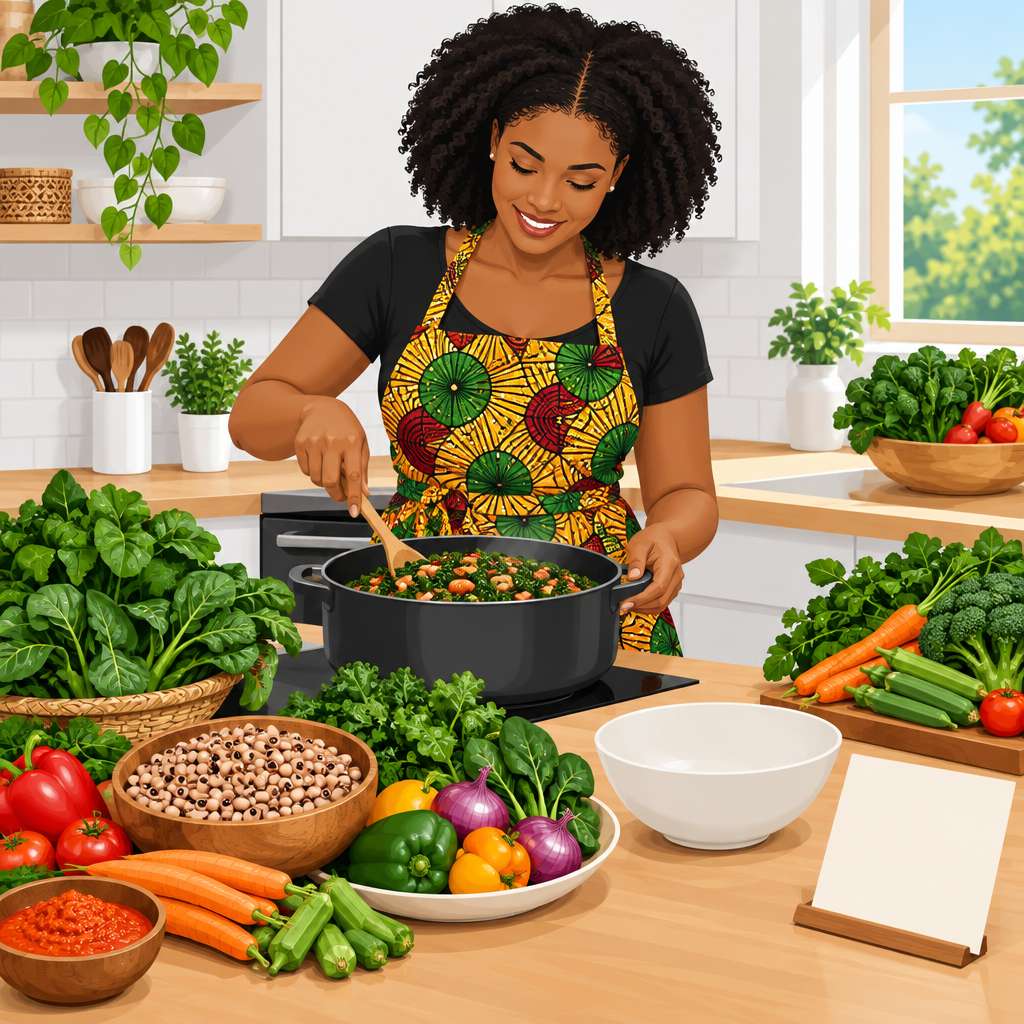
Nigerian cuisine features bold flavors, vibrant colors, and nutrient-rich ingredients.
Traditional dishes combine familiar ingredients with satisfying textures and savory flavors.
Many popular meals also include ingredients that provide minerals and other essential nutrients.
- Showcase popular Nigerian dishes that naturally contain important minerals.
- Describe mineral-rich ingredients used in egusi soup, moi moi, and jollof rice.
- Highlight the cultural significance and nutritional value of these traditional dishes.
Egusi Soup
Egusi soup remains a staple in many Nigerian households.
The dish combines ground melon seeds, vegetables, and various spices.
Its ingredients provide minerals such as iron, magnesium, and zinc.
People often serve egusi soup with pounded yam or fufu.
Moi Moi
Moi moi is a steamed bean pudding enjoyed as a side dish or snack.
Ground beans, peppers, onions, and spices create its distinctive flavor.
The dish contains minerals such as potassium and manganese.
Moi moi also provides a protein-rich option for vegetarians and meat-lovers.
Jollof Rice
Jollof rice remains a popular West African dish at parties and celebrations.
Tomatoes, peppers, onions, and spices create its rich, savory flavor.
Cooks can add spinach, bell peppers, or chicken to create a balanced meal.
These additions can provide iron, vitamin C, and protein.
Cultural Value and Nutritional Variety
These dishes reflect the diversity and richness of Nigerian cooking.
Families and communities enjoy them during everyday meals and celebrations.
Their varied ingredients support flavorful meals with useful nutritional value.
Delve into the Subject: High-Mineral Nigerian Recipes for Strong Bones and Teeth
Modern Twists on Nigerian Classics
Modern techniques can refresh Nigerian classics without losing their familiar character.
Small ingredient changes can add variety, texture, and nutritional value to everyday meals.
These ideas encourage practical experimentation while respecting Nigerian culinary traditions.
- Add spinach and pumpkin seeds to jollof rice for extra color, iron, and zinc.
- Stir chia seeds into egusi soup for additional fiber and omega-3 fatty acids.
- Sprinkle ground flaxseeds over yam porridge to increase its fiber and omega-3 content.
Mineral-Rich Ingredients for Nigerian Dishes
Vegetables, seeds, and leafy greens can complement the flavors of well-known Nigerian dishes.
Use these ingredients in modest amounts to preserve each dish’s traditional identity.
Meanwhile, varied textures can make familiar meals feel fresh and satisfying.
Jollof Rice with Spinach and Pumpkin Seeds
Fold finely chopped spinach into jollof rice near the end of cooking.
Then, sprinkle pumpkin seeds over each serving for added texture and flavor.
This combination also increases the dish’s iron and zinc content.
Egusi Soup with Chia Seeds
Stir a tablespoon of chia seeds into egusi soup.
The seeds add fiber and omega-3 fatty acids without changing the soup’s foundation.
Allow the seeds to blend thoroughly before serving.
Yam Porridge with Flaxseeds
Top yam porridge with ground flaxseeds after cooking.
The seeds contribute fiber and omega-3 fatty acids to the meal.
Use a light sprinkle first, then adjust the amount to suit your taste.
Simple Ways to Use Superfoods Daily
Moringa, flaxseeds, and turmeric can fit naturally into familiar daily meals.
Start with small portions so their flavors complement the main ingredients.
Gradually explore different combinations across breakfast, lunch, and dinner.
Moringa Powder in Smoothies
Add one teaspoon of moringa powder to a morning smoothie.
Moringa provides vitamins, minerals, and antioxidants in a convenient form.
Blend it thoroughly with the smoothie ingredients for an even taste.
Flaxseeds in Baked Goods
Mix ground flaxseeds into muffins, bread, and other baked goods.
They add fiber and omega-3 fatty acids to these recipes.
Ground flaxseeds can also bind ingredients in vegan baking.
Turmeric in Rice Dishes
Stir turmeric into rice dishes for earthy flavor and vibrant color.
Turmeric contains curcumin, which the source describes as anti-inflammatory.
Use the spice alongside familiar seasonings to maintain a recognizable flavor profile.
Creative Flavor Ideas for Nigerian Cooking
Experimentation can introduce new tastes while preserving the spirit of Nigerian cooking.
Keep familiar preparation methods as a foundation for thoughtful changes.
Choose additions that complement the dish instead of overwhelming its original character.
Fresh Herbs and Warming Spices in Stews
Add parsley or cilantro to stews for a fresh flavor.
Alternatively, try cinnamon or nutmeg for a warmer taste.
Introduce one new seasoning at a time so you can assess its effect.
Healthier Ingredient Substitutions
Use whole grain rice instead of white rice when it suits the recipe.
Choose lean proteins such as grilled chicken or turkey for selected meals.
You can also replace palm oil with olive oil in some preparations.
Colorful Vegetables in Modern Meals
Add bell peppers, carrots, and tomatoes to increase color and variety.
These vegetables provide vitamins and minerals while creating an appealing presentation.
Mix them into familiar recipes to preserve the meal’s recognizable foundation.
See Related Content: Nutrient-Dense Nigerian Rice Dishes for Every Meal
Nutritional Tips for a Balanced Diet
A balanced diet can include many mineral-rich Nigerian ingredients.
Leafy greens, beans, seeds, and lean proteins can strengthen daily meal choices.
Whole grains also add nutrients while providing varied meal options.
- Start by incorporating a variety of mineral-rich Nigerian ingredients into your meals.
- Include foods like leafy greens, beans, seeds, and lean proteins to boost mineral intake.
- Opt for whole grains such as millet, sorghum, and brown rice to add nutrients to your diet.
Guidelines for Creating Well-rounded Meals
Well-rounded meals combine several food groups in suitable proportions.
Meanwhile, herbs and spices can add flavor without extra calories.
Colorful vegetables provide additional variety across everyday meals.
- Balance your plate with a mix of carbohydrates, proteins, fats, and minerals for a complete meal.
- Use traditional Nigerian spices like turmeric, ginger, and garlic to add flavor without extra calories.
- Incorporate colorful vegetables like bell peppers, tomatoes, and carrots for added vitamins and minerals.
Recommendations for Portion Sizes and Food Combinations
Portion awareness helps people manage meals thoughtfully.
Combining different foods can create a broader nutrient profile.
For example, beans and whole grains provide a practical meal combination.
- Stick to recommended serving sizes to avoid overeating and maintain a healthy weight.
- Combine foods rich in iron, calcium, and potassium for a well-rounded nutrient profile.
- Pair beans with whole grains for a complete protein source that is high in minerals and fiber.
Meal Planning Tips to Optimize Mineral Intake
Advance planning can help organize meals around varied mineral sources.
Additionally, varied textures and flavors can make planned meals more enjoyable.
Thoughtful snacks can support regular eating patterns between meals.
- Plan your meals in advance to ensure you are meeting your daily mineral requirements.
- Prepare meals with a variety of textures and flavors to keep your diet interesting and enjoyable.
- Include snacks like nuts, seeds, and yogurt for added minerals and to prevent overeating during meals.
Importance of Diversity and Moderation in a Healthy Diet
A diverse diet offers different food choices across the day.
Moderation supports balanced portions and helps limit overeating.
Mindful eating encourages attention to hunger and fullness cues.
- Diverse diets provide a wide range of nutrients essential for overall health and well-being.
- Moderation is key to maintaining a healthy weight and preventing nutrient deficiencies.
- Listen to your body’s hunger and fullness cues to avoid overeating and promote mindful eating habits.
Delve into the Subject: Wholesome Nigerian Breakfasts for a Mineral-Packed Start
Nourishing Nigerian Meals With Mineral-Rich Ingredients
Mineral-rich ingredients support healthy Nigerian dishes and provide essential nutrients for overall well-being.
Therefore, explore delicious, nutritious Nigerian options to nourish your body.
Also, share your favorite mineral-rich recipes and cooking techniques to encourage a vibrant discussion.
Additional Resources
Google search results for Healthy Nigerian Dishes Using Mineral-Rich Ingredients Recipes
Bing search results for Healthy Nigerian Dishes Using Mineral-Rich Ingredients Recipes


