



Introduction
Copper is an essential mineral.
It plays a vital role in supporting brain health and iron absorption.
Additionally, it contributes to overall well-being.
Importance of Copper in the Body
Copper helps produce red blood cells.
Additionally, it supports healthy bones and connective tissues.
It also acts as an antioxidant protecting cells from free radical damage.
How Copper Supports Brain Health and Iron Absorption
Copper is necessary for synthesizing neurotransmitters that regulate brain function and mood.
It helps form the myelin sheath essential for nerve conduction.
Copper also plays a key role in iron absorption.
Sources of Copper in Nigerian Foods
Copper can be found in a variety of foods commonly consumed in Nigeria.
Examples include seafood, nuts, seeds, whole grains, and leafy greens.
Incorporate these foods into your diet to help ensure adequate copper intake.
Overview of Copper
Copper is an essential mineral for the body.
It plays a crucial role in various bodily functions.
Small daily amounts support overall health and function.
Unlock the Power of Nigerian Food Minerals
Discover personalized Food Advisory tailored to boost your health or business using expert insights on Nigerian minerals.
Get StartedExplanation of Copper as an Essential Mineral for the Body
- Copper is an essential trace mineral that our bodies cannot produce on their own.
- We need to get an adequate amount of copper through our diet to maintain good health.
- Copper is involved in numerous physiological processes and is necessary for enzyme function.
Benefits of Copper for Overall Health
- Supports brain health by aiding neurotransmitter production that regulates mood and cognition.
- Helps form collagen, a protein that supports bone, skin, and connective tissue.
- Strengthens the immune system by promoting white blood cell production to fight infections.
- Facilitates iron absorption, aiding red blood cell production and preventing anemia.
Functions of Copper in the Body
- Antioxidant defense: copper acts as a cofactor for superoxide dismutase, neutralizing free radicals.
- Energy production: copper helps synthesize adenosine triphosphate, the cell energy currency.
- Connective tissue formation: copper enables cross-linking of collagen and elastin for skin and joint support.
- Cognitive function: copper participates in synthesizing dopamine and norepinephrine for brain function.
Dietary Considerations and Health Importance
Copper is a vital mineral that supports brain health and iron absorption.
It also contributes benefits across various bodily functions.
Include copper-rich foods in your diet to maintain adequate copper levels.
Copper and Brain Health
Copper acts as a co-factor for enzymes involved in neurotransmitter synthesis.
It supports myelin production that insulates nerve cells and improves signaling.
Copper helps protect the brain from oxidative stress linked to neurodegenerative diseases.
Detailed Explanation of How Copper Supports Brain Health
Enzymes that require copper aid neurotransmitter formation necessary for brain communication.
Myelin is a fatty substance that enables fast signal transmission along neurons.
Research shows copper involvement may reduce oxidative damage in brain tissue.
Importance of Copper in Brain Development and Function
During early development, copper supports neural pathway formation and neuron maturation.
This support is essential for learning and long term memory processes.
Copper also contributes to ATP production that fuels brain cells.
Effects of Copper Deficiency on Cognitive Function
Inadequate copper impairs neurotransmitter synthesis and alters mood regulation.
Deficiency can cause memory loss, confusion, and trouble concentrating.
Captivate Your Audience with Exclusive Nigerian Food Content
Imagine your platform enriched with unique, mineral-rich Nigerian cuisine stories that no one else can offer. Let's create content that resonates deeply and sets you apart.
Get StartedSome studies link low copper to neurodevelopmental disorders such as ADHD and autism.
Discover More: Phosphorus: Strengthens Bones and Generates Energy
Copper and Iron Absorption
Iron is an essential mineral that plays a crucial role in the body.
It is responsible for transporting oxygen in the blood and is involved in many enzymatic processes.
However, iron absorption can be influenced by various factors, including other nutrients like copper.
Discussion on how copper helps in the absorption of iron
- Copper plays a vital role in the metabolism of iron.
- It assists in the absorption of iron from the small intestine.
- Copper helps convert iron into a form that is more readily absorbed by the body.
- Without adequate copper levels, iron absorption can be compromised.
Importance of iron for the body
- Iron is necessary for the production of hemoglobin, the protein in red blood cells that carries oxygen.
- It is also essential for energy production and immune function.
- Iron deficiency can lead to anemia, fatigue, and impaired cognitive function.
- Ensuring adequate iron levels is crucial for overall health and well-being.
Explanation of the relationship between copper and iron
- Copper and iron work together in a delicate balance within the body.
- Copper helps regulate iron levels by aiding in its absorption and distribution.
- An imbalance in copper levels can affect iron metabolism and impair absorption.
- Ensuring a sufficient intake of both copper and iron supports optimal iron handling.
Gain More Insights: Sulfur: Promotes Healthy Skin, Hair, and Nails
Sources of Copper in Nigerian Food
This page lists common Nigerian foods that contain dietary copper.
Readers can use these foods to add copper to daily meals.
The foods listed are familiar in many Nigerian recipes.
List of Common Nigerian Foods that are Rich in Copper
Below is a list of common Nigerian foods that are rich in copper.
Each item names a food commonly used in Nigerian cooking.
Use the list to plan meals that include copper sources.
- Palm nuts
- Liver
- Cocoa powder
- Beans
- Cashew nuts
Description of the Nutritional Value of These Foods
These copper-rich foods provide nutrients beyond copper.
Additionally, they supply healthy fats, vitamins, protein, and antioxidants.
The following details describe nutrients associated with each food.
Palm nuts supply healthy fats and vitamin E.
Liver contains iron, protein, and vitamin B12.
Cocoa powder contains antioxidants and may support heart health.
Beans provide fiber, protein, and various vitamins and minerals.
Cashew nuts supply healthy fats, protein, and multiple minerals including copper.
Tips on Incorporating Copper-Rich Foods into the Diet
Use palm nuts to add flavor to soups and stews.
Cook liver sauteed with onions or add it to stir fries.
Add cocoa powder to smoothies, oatmeal, or baked goods.
Include beans in salads, soups, or as a side dish.
Enjoy cashew nuts as a snack or add them to trail mixes and salads.
Uncover the Details: Iron: Key to Preventing Anemia and Fatigue
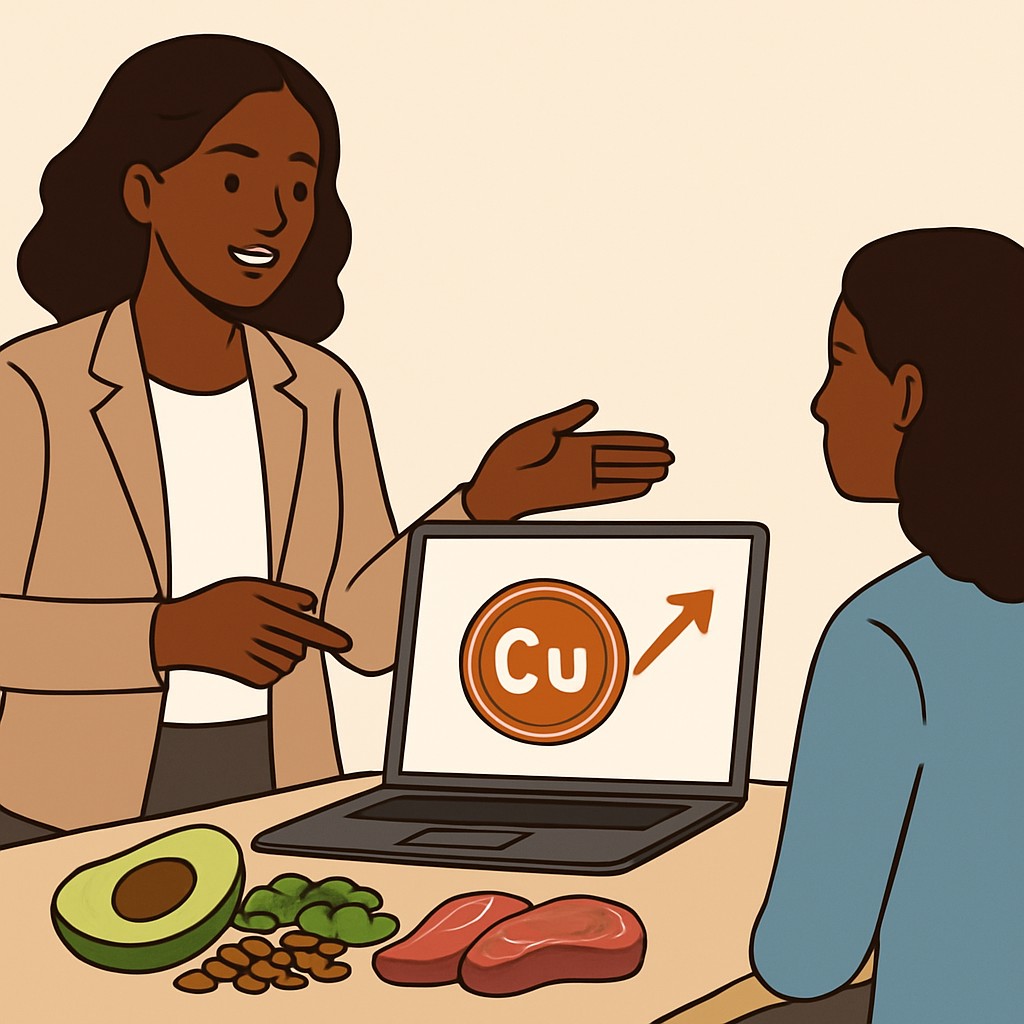
Copper Deficiency
When our bodies lack enough copper, various symptoms can appear.
Early signs often include fatigue, weakness, and anemia.
Deficiency may also cause neurological problems like numbness and tingling.
Symptoms of Copper Deficiency
Symptoms vary between individuals and with severity.
Watch for sensory changes such as numbness and tingling.
Walking difficulties can occur in more severe cases.
- Fatigue
- Weakness
- Anemia
- Numbness
- Tingling Sensations
- Difficulty Walking
Risks Associated with Copper Deficiency
Untreated deficiency can lead to serious health risks.
Immune function and bone health may become compromised.
Cardiovascular issues may also arise from prolonged deficiency.
- Impaired Brain Function
- Weakened Immune System
- Osteoporosis
- Increased Risk of Infections
- Cardiovascular Problems
Ways to Prevent and Treat Copper Deficiency
You can address deficiency through dietary and medical approaches.
Dietary choices often supply necessary copper when consistent.
Healthcare providers can recommend supplements when appropriate.
- Eat copper-rich foods such as nuts, seeds, seafood, and whole grains
- Consider supplements after consulting a healthcare provider
- Avoid excessive zinc intake because it can block copper absorption
- Maintain a balanced diet with varied mineral sources
- Seek personalized medical advice for diagnosis and treatment
Gain More Insights: Barium: Role in Digestive Health and Muscle Function
Health Implications of Copper Balance
Copper supports brain function through roles in neurotransmitter production.
It also promotes iron absorption for effective oxygen transport.
Therefore maintain adequate copper levels to support overall well being.
Key Benefits of Copper
Copper contributes to cognitive health by supporting neural processes.
Additionally it enhances the body’s ability to absorb iron.
These functions together influence energy and cellular activities.
Including Copper Rich Foods
Include copper rich foods like nuts seeds whole grains and legumes.
Also eat a balanced variety of foods to meet daily copper needs.
Regular dietary choices can help sustain essential mineral levels.
Maintaining Proper Copper Levels
Monitor diet to maintain appropriate copper intake.
Moreover seek balanced eating habits to support bodily functions.
Ultimately adequate copper supports both brain function and iron status.
Additional Resources
Google search results for Copper: Supports Brain Health and Iron Absorption Health Benefits
Bing search results for Copper: Supports Brain Health and Iron Absorption Health Benefits